1. 为什么签约前的审计能自己赚回成本1. Why the Pre-Sign Audit Pays for Itself
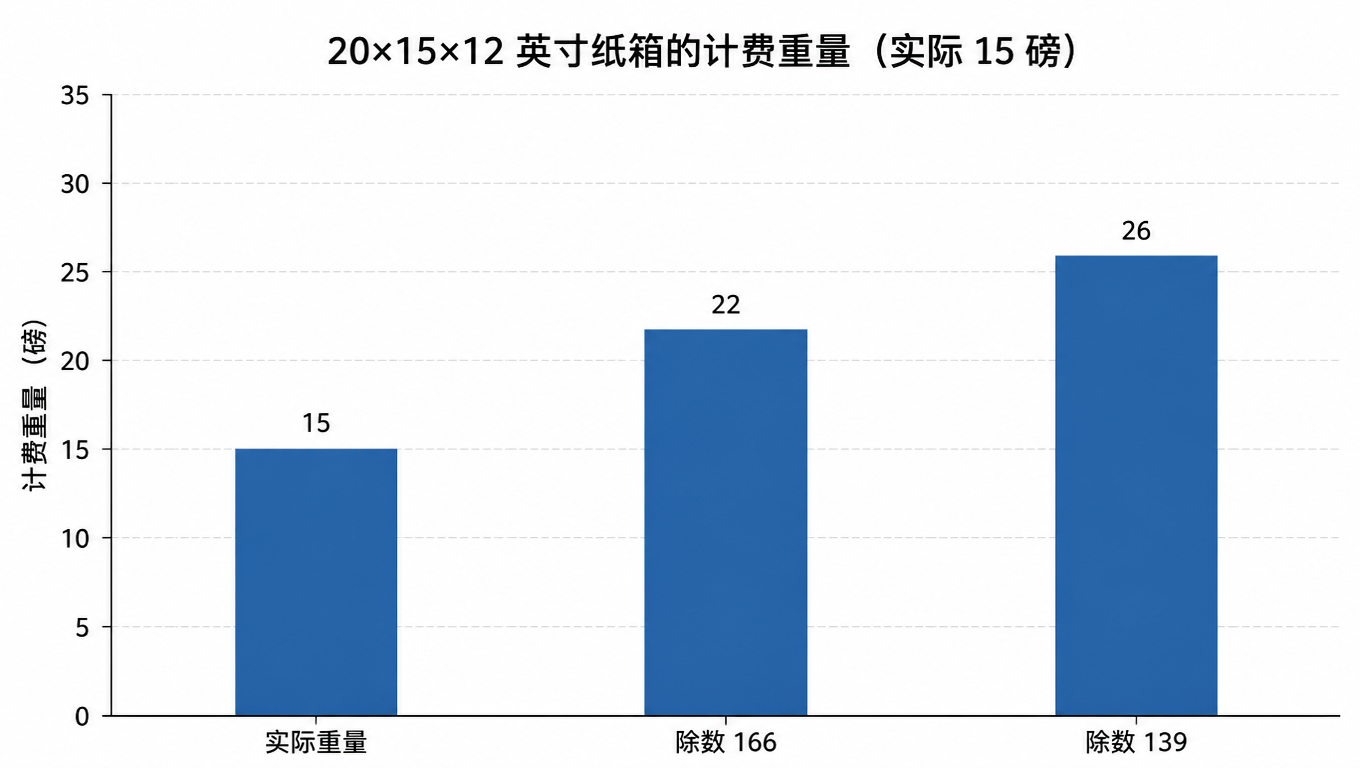
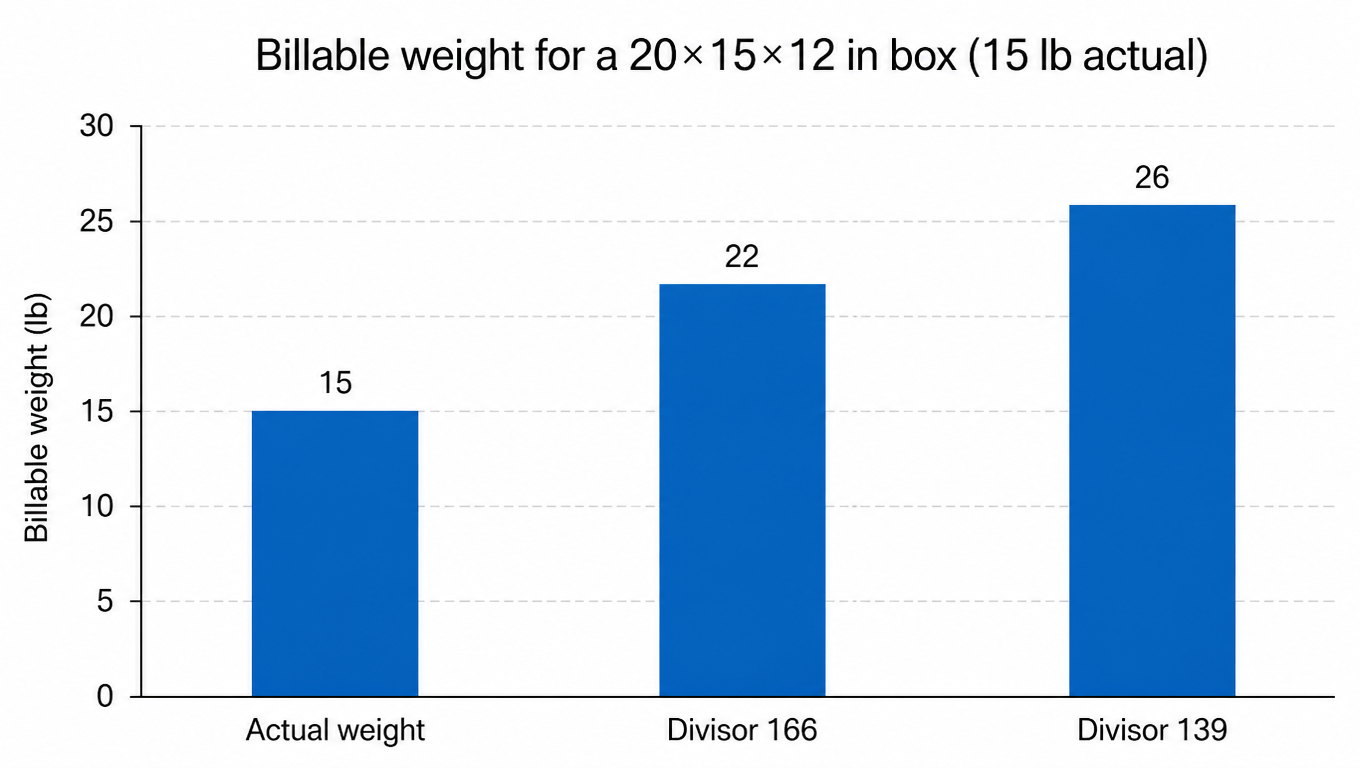
对大多数电商品牌、3PL 和履约运营者来说,小包裹运费在成本账上仅次于人力。合同里一个百分点的折扣差错,或一个错误的体积重除数,每个月都会悄无声息地转移数千美元,直到年度复盘才暴露。审计不是法律练习,而是财务练习;它应该发生在签字那一刻,而不是第一个账单周期带来意外之后。For most e-commerce brands, 3PLs, and fulfillment operators, parcel shipping sits just behind labor on the cost ledger. A contract that misstates a discount by one percentage point, or applies the wrong DIM divisor, quietly moves thousands of dollars every month, and no one notices until the annual review arrives. The audit is not a legal exercise; it is a financial one, and it belongs at the moment of signature, not after the first invoice cycle surprises you.
承运商起草的合同天然是单方面的。标准协议是为起草方服务的:终止权、数据定义、附加费表和责任上限,默认都偏向承运商利益。文件里不存在中立的「标准表述」。每一条款都经过承运商法务的起草或审阅,你的签名决定了整个合同期内权力平衡的落点。Carrier-drafted contracts are inherently one-sided. Standard agreements are written to protect the party that wrote them: termination rights, data definitions, surcharge schedules, and liability caps all default to the carrier's interest. Nothing in the document is neutral "standard language." Every clause was drafted or reviewed by the carrier's counsel, and your signature is the point where the balance of power is set for the life of the term.
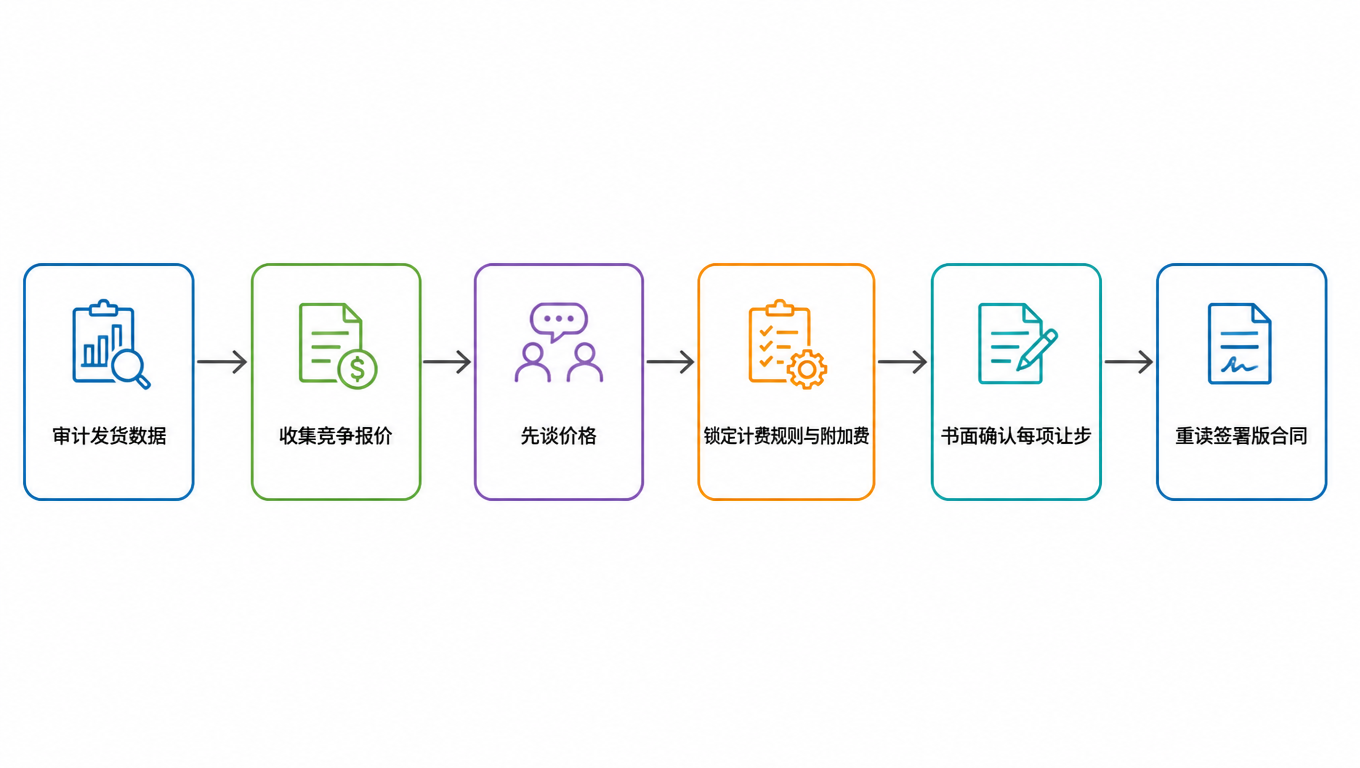
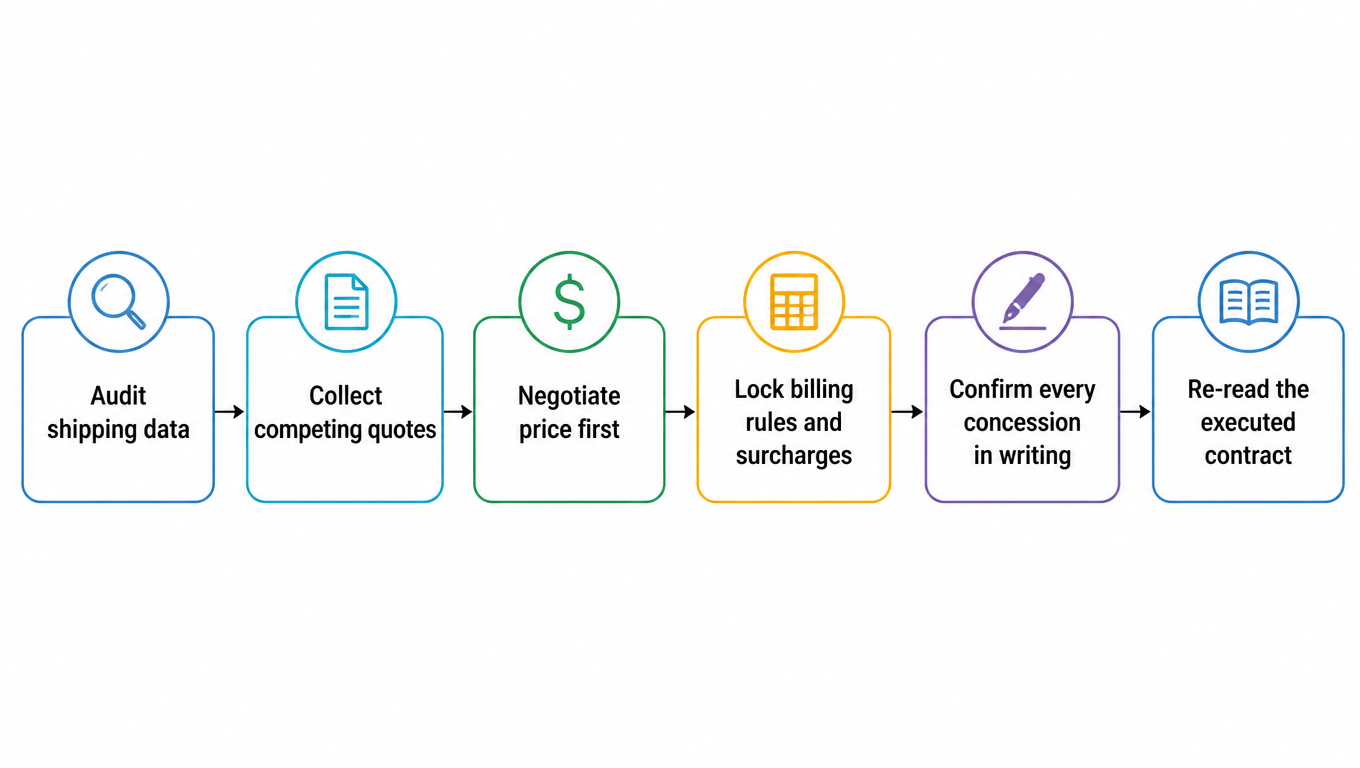
只做一次签约审计是不够的,因为每个条款都会续约。静默自动续约、埋在修正案里的体积重除数变更、连续三个旺季的附加费爬升,都是谈判结束很久之后才以成本超支形式浮现的条款。纪律是每次续约都用同一份清单重新审计,因为承运商在续约时的报价不是你签过的那份合同,而是借旧合同名字的新条款。A single audit at signature is not enough, because every term renews. Silent auto-renewal, a DIM divisor change buried in an amendment, surcharge creep across three consecutive peak seasons: these are the clauses that surface as cost overruns long after the negotiation is done. The discipline is to re-audit at each renewal with the same checklist, because the carrier's offer at renewal is not the contract you signed; it is a new set of terms wearing the old one's name.