为什么退货成了策略问题,而不是物流杂务Why Returns Became a Strategy Problem, Not a Logistics Chore
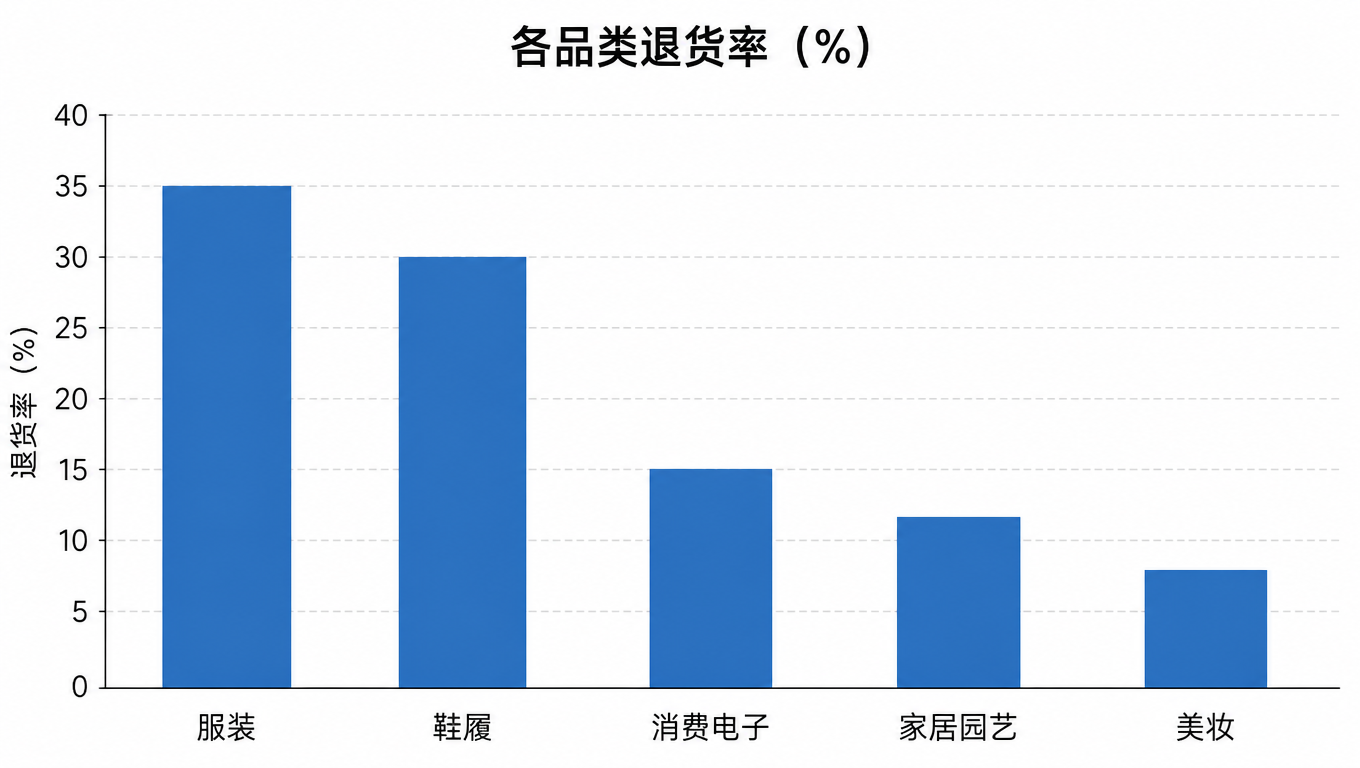
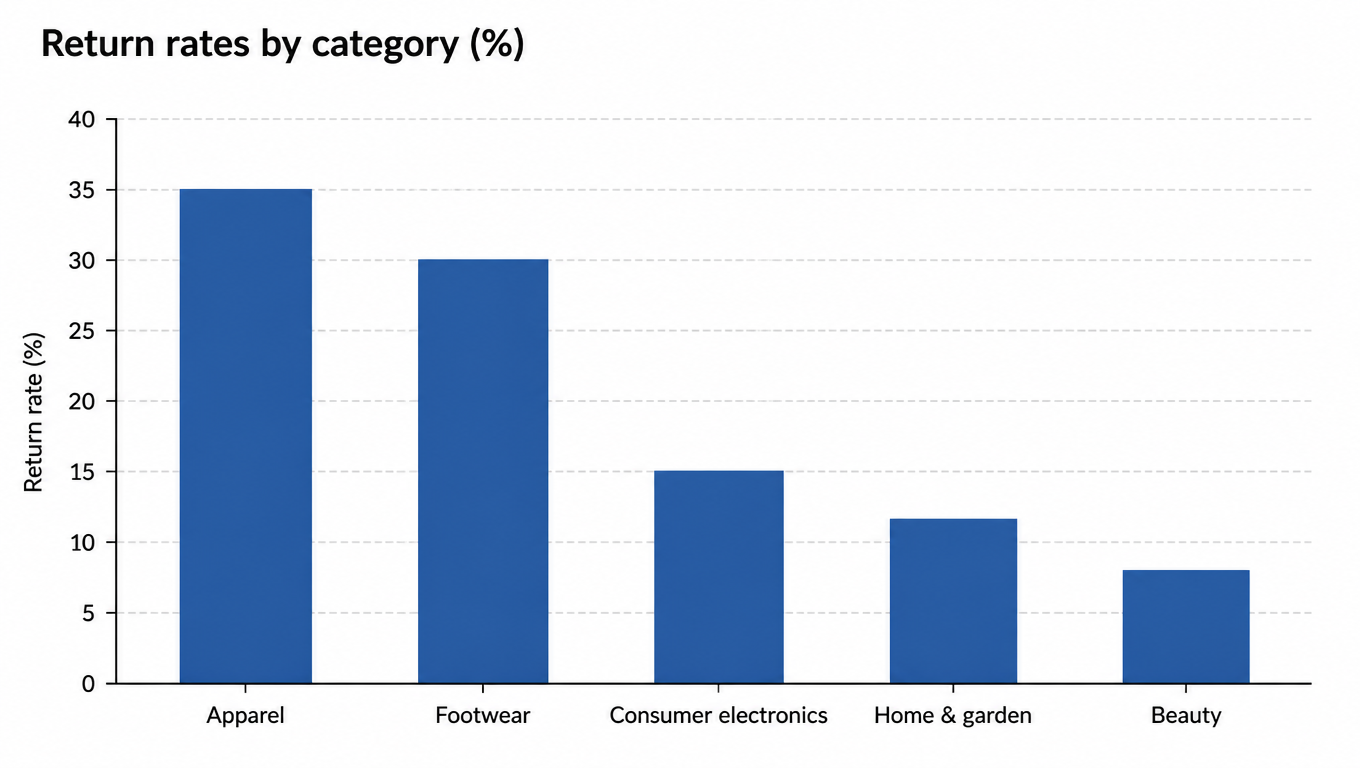
大多数品类的电商退货率在 20% 到 30% 之间,服装和鞋履更是双双进入 30% 到 40% 的区间。消费电子大约 15%,家居园艺在 10% 到 15%,美妆接近 8%。在送礼高峰月,品牌很容易看到三分之一的节日营收以退货的形式重新进门。E-commerce return rates run 20 to 30 percent across most categories, and apparel and footwear both climb into the 30 to 40 percent band. Consumer electronics hover around 15 percent, home and garden sit in the 10 to 15 percent range, and beauty products stay closer to 8 percent. In gift-heavy months, a brand can easily see a third of its holiday revenue come back through the door.
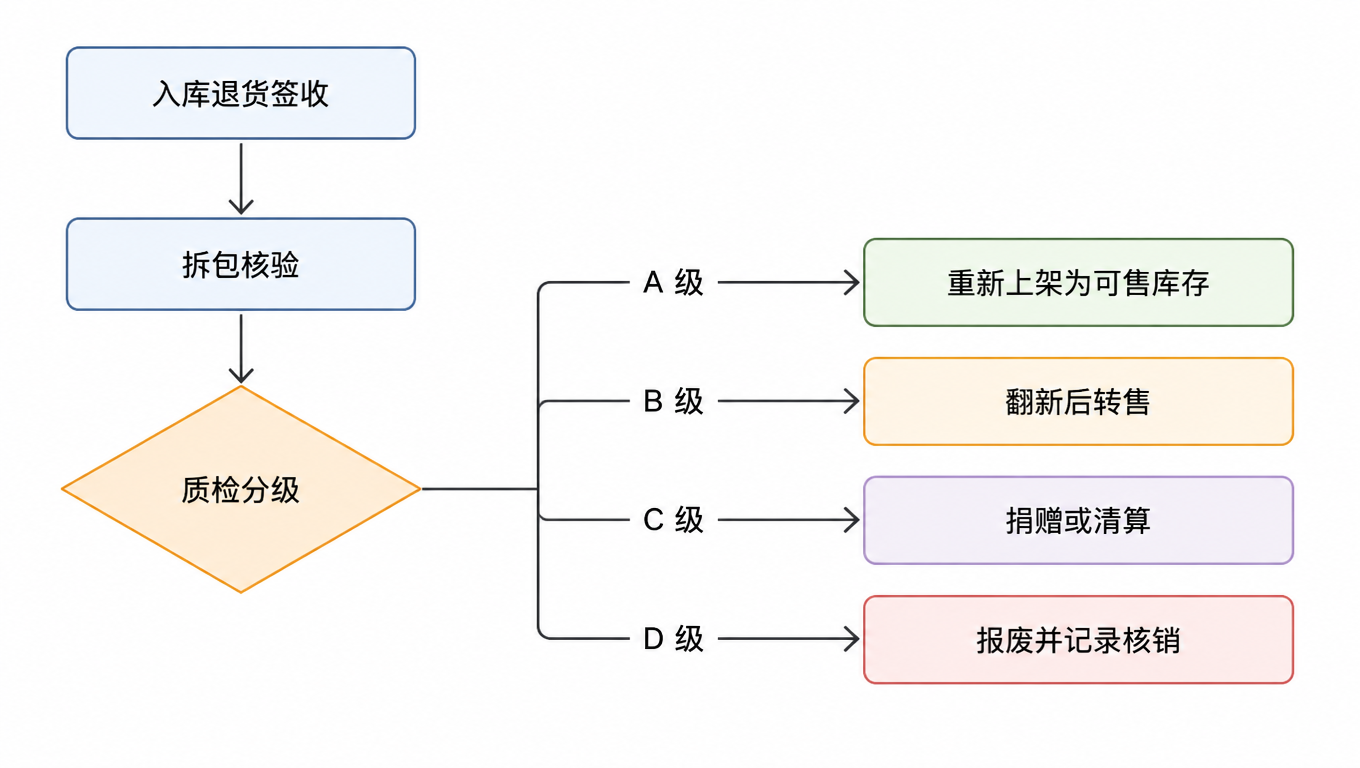
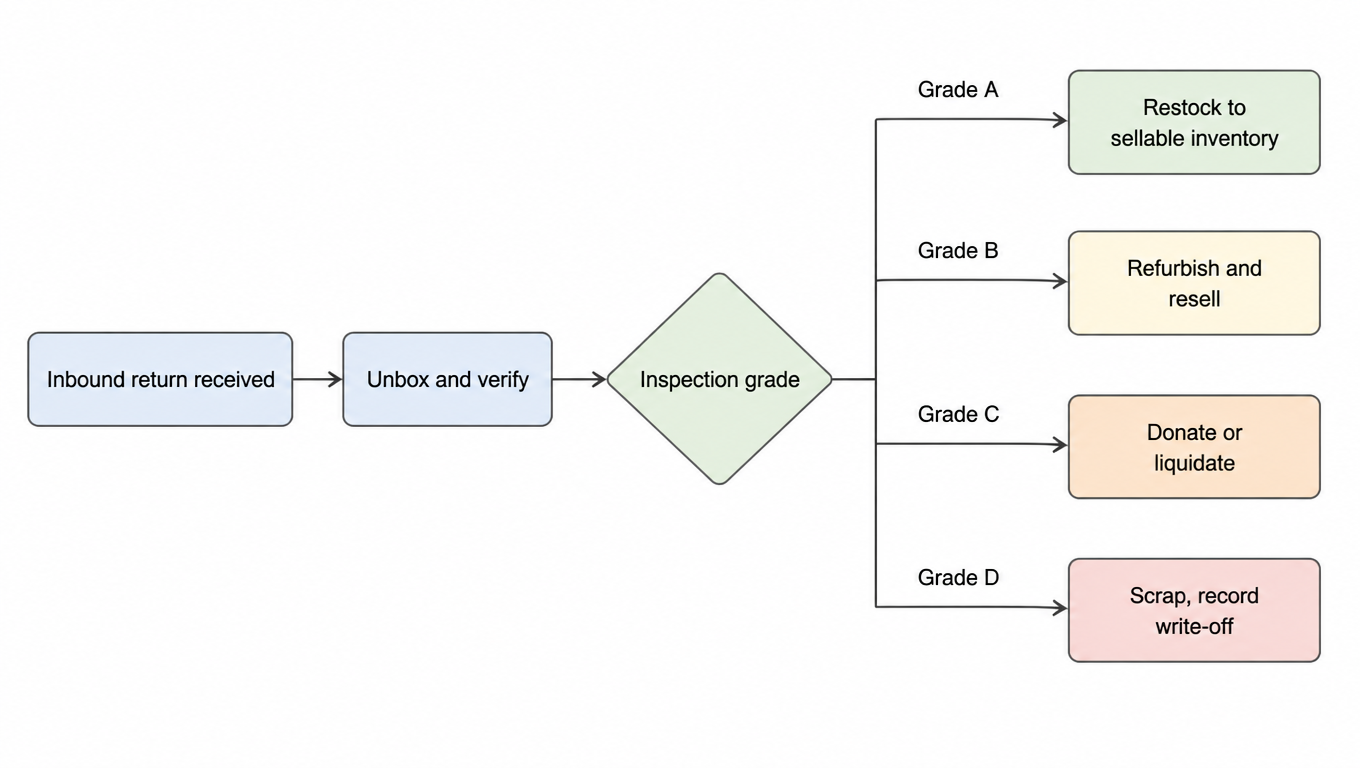
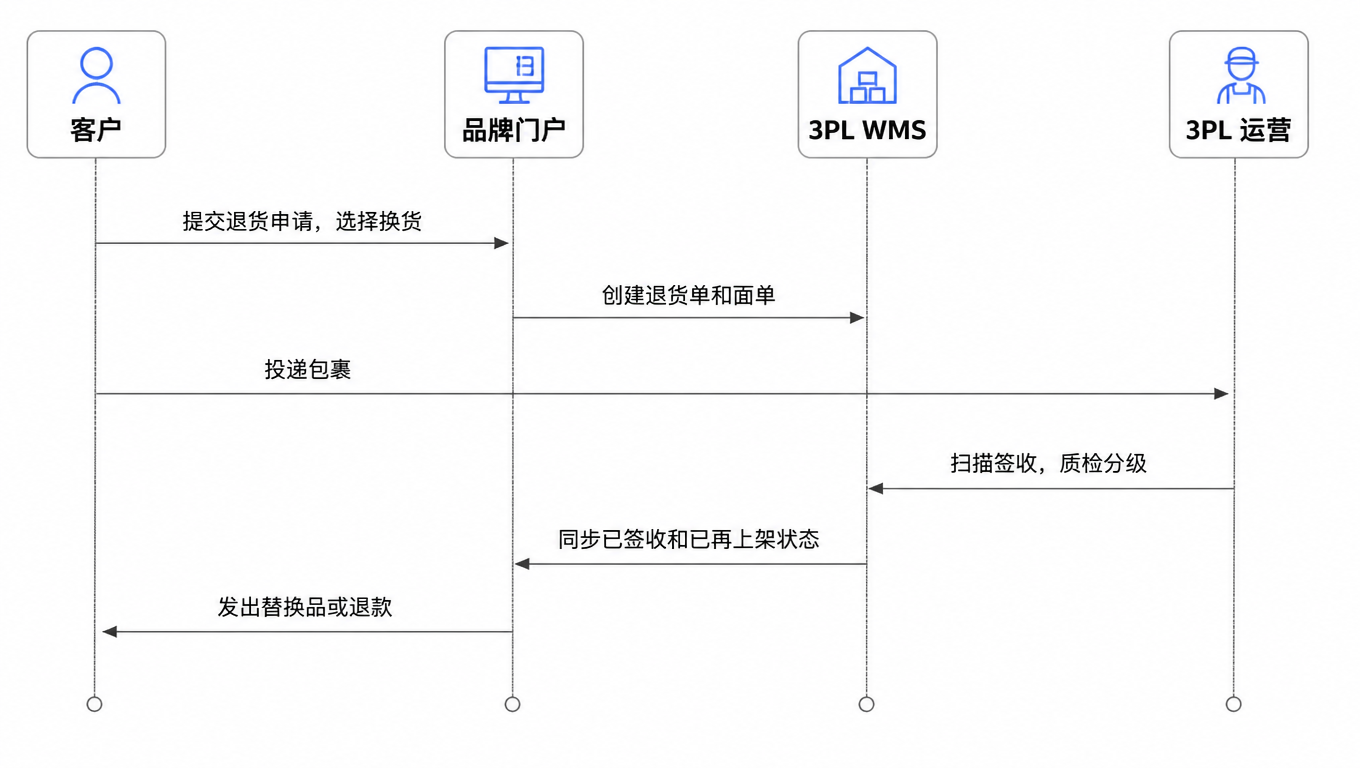
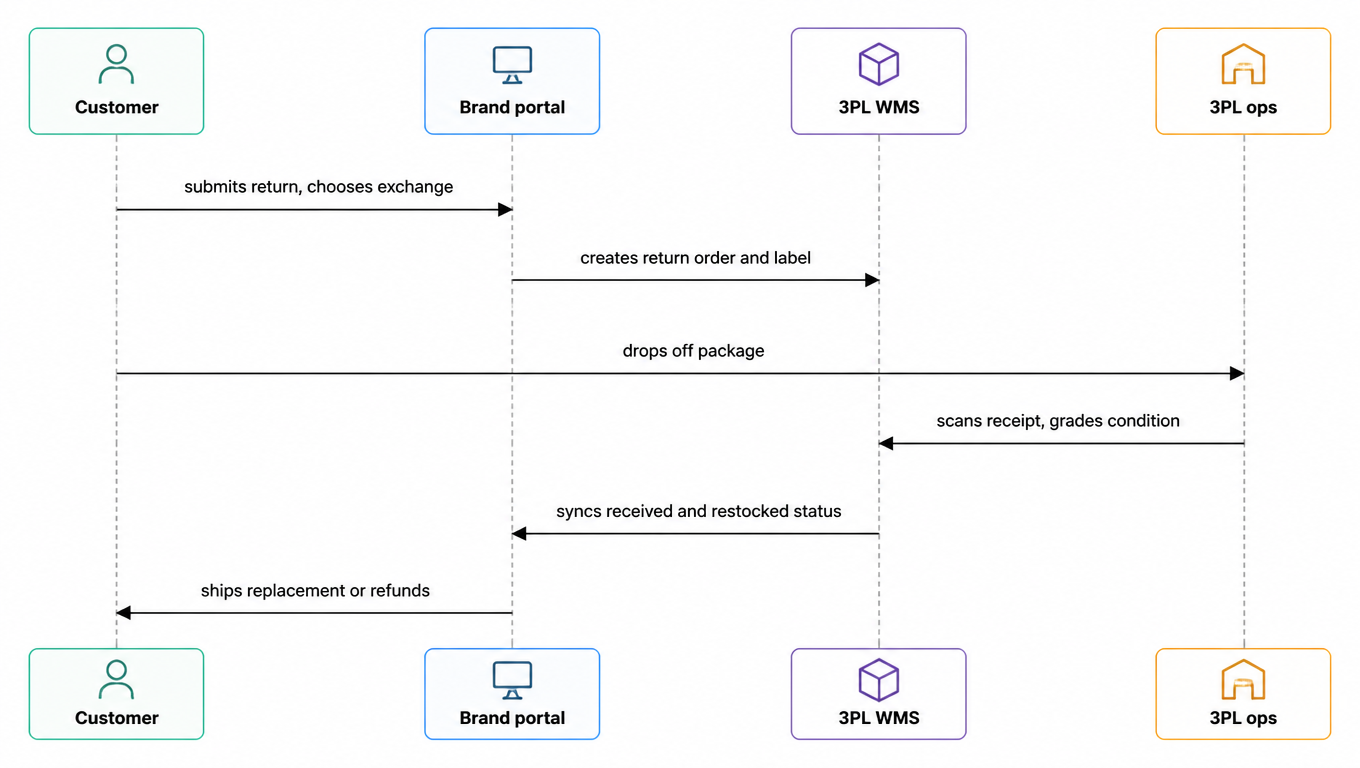
成本的不对称是残酷的。处理一件退货的成本通常是寄出它的 2 到 3 倍。正向发货是批量操作、批量贴单、按量计价;退货则是一个箱子一个箱子地到,拆包、质检、重新贴标、再上架,还常常只能打折出售。每一步都是人工,而商品几乎不可能第二次卖回原价。The cost asymmetry is brutal. Handling a returned item typically costs 2 to 3 times what it cost to ship it out. Forward shipping is batched, labeled, and volume-priced. A return arrives one box at a time, gets opened, inspected, re-tagged, restocked, and often sold at a discount. Every step is manual labor, and the item usually cannot sell at full price a second time.
过去几年变化的不是成本,而是语境。退货曾经是售后杂务,交给最便宜的实习生和最基础的承运商合同处理。如今,退货体验是客户选择、信任并复购一个品牌的首要理由之一。所以现代退货策略要三条线并行:成本、体验、营收。只优化一条,另外两条的价值就会漏掉。What changed in the last few years is not the cost, it is the context. Returns used to be an after-sales chore handled by the cheapest intern and the most basic carrier contract. Today the return experience is one of the top reasons customers choose, trust, and repurchase from a brand. That is why a modern returns strategy runs three levers in parallel: cost, experience, and revenue. Optimize only one and you leak value from the other two.