为什么旺季承运商计划如此重要Why a Peak Season Carrier Plan Matters
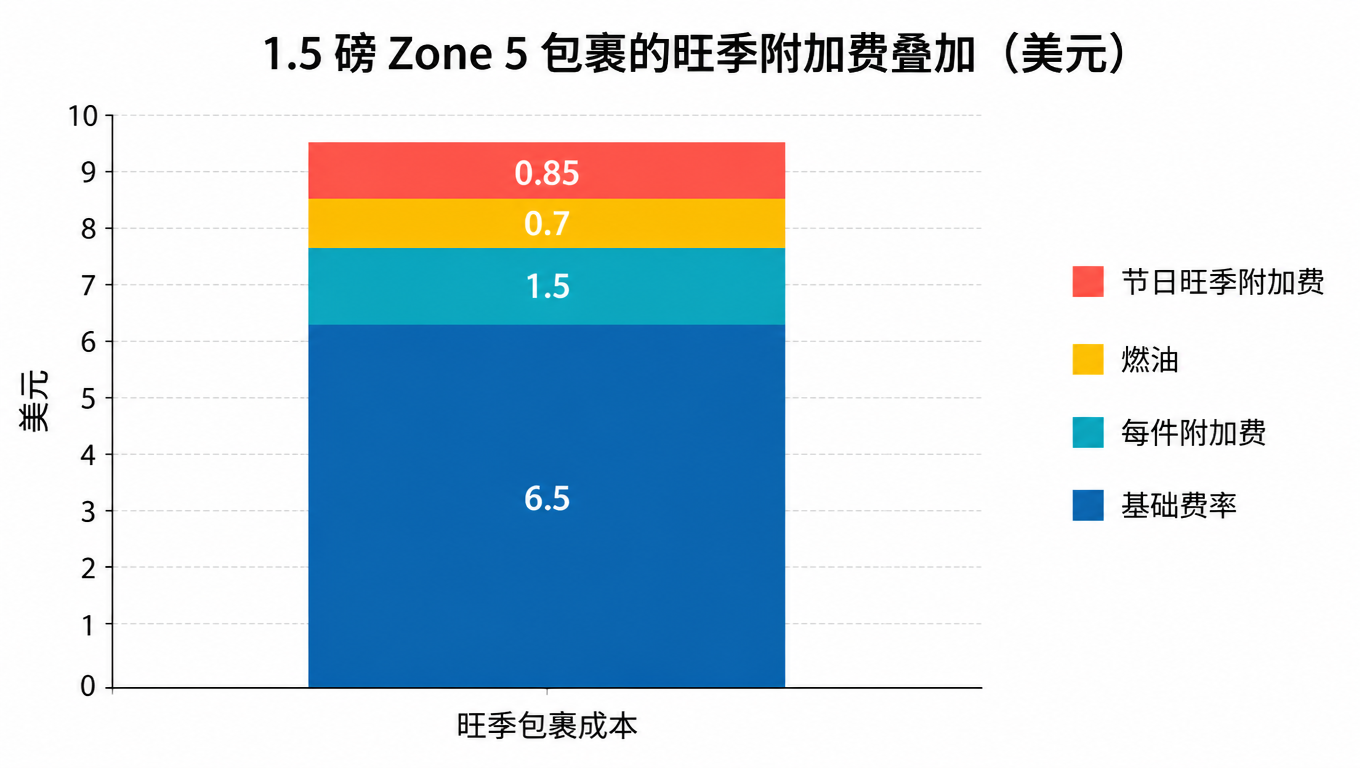
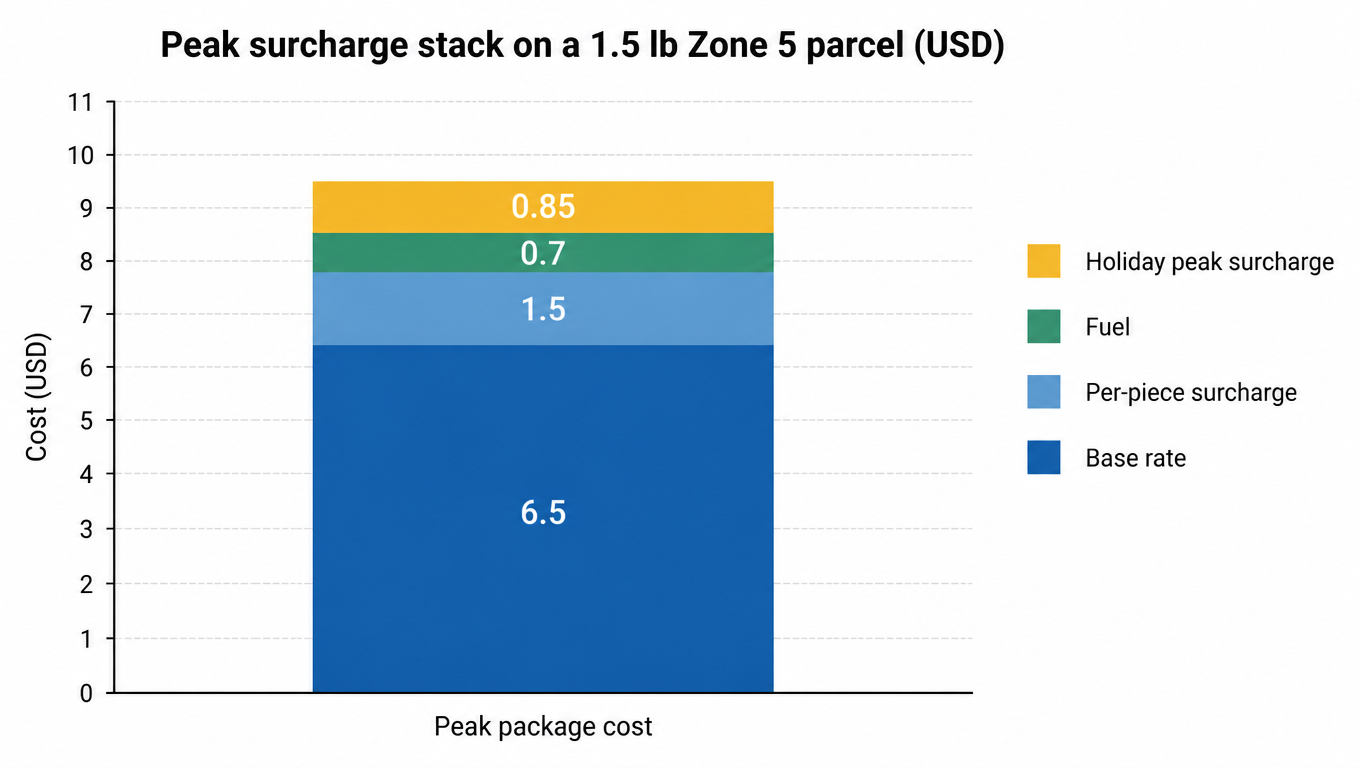
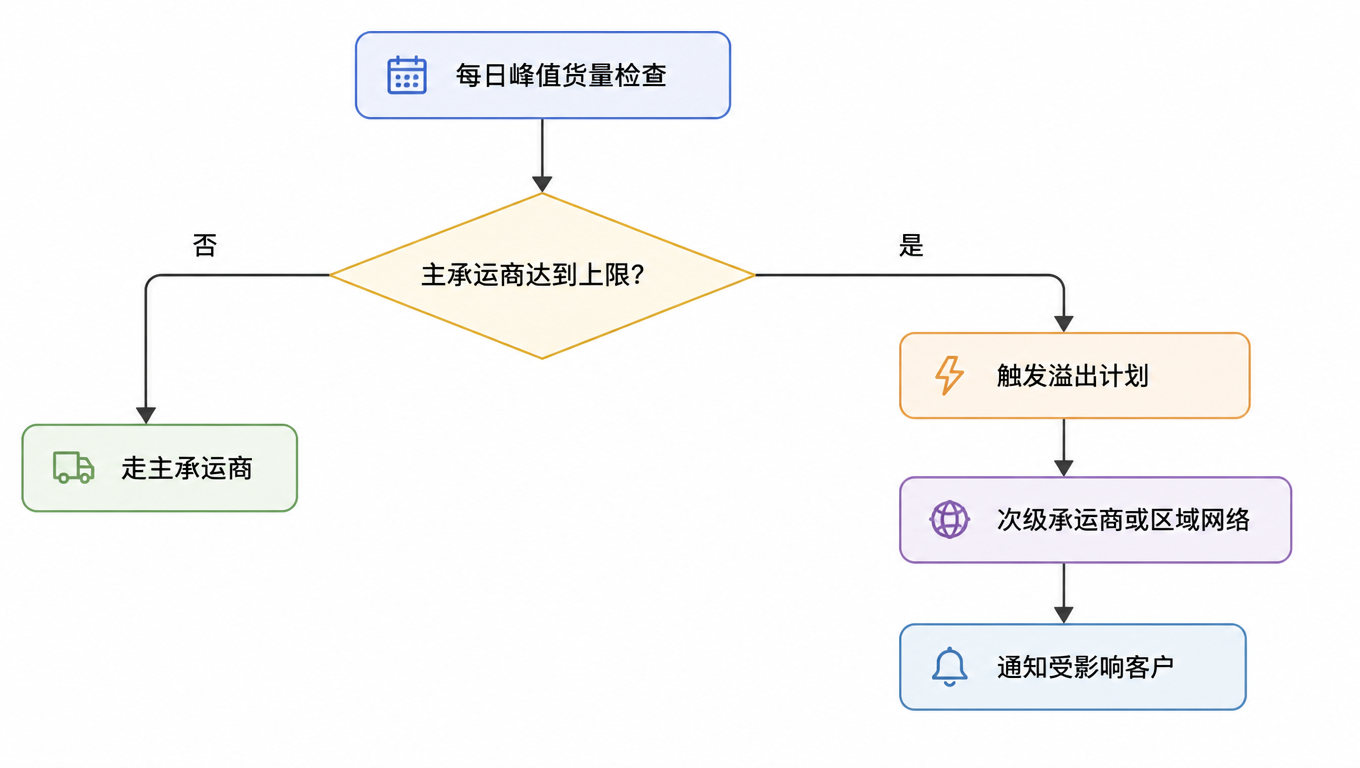
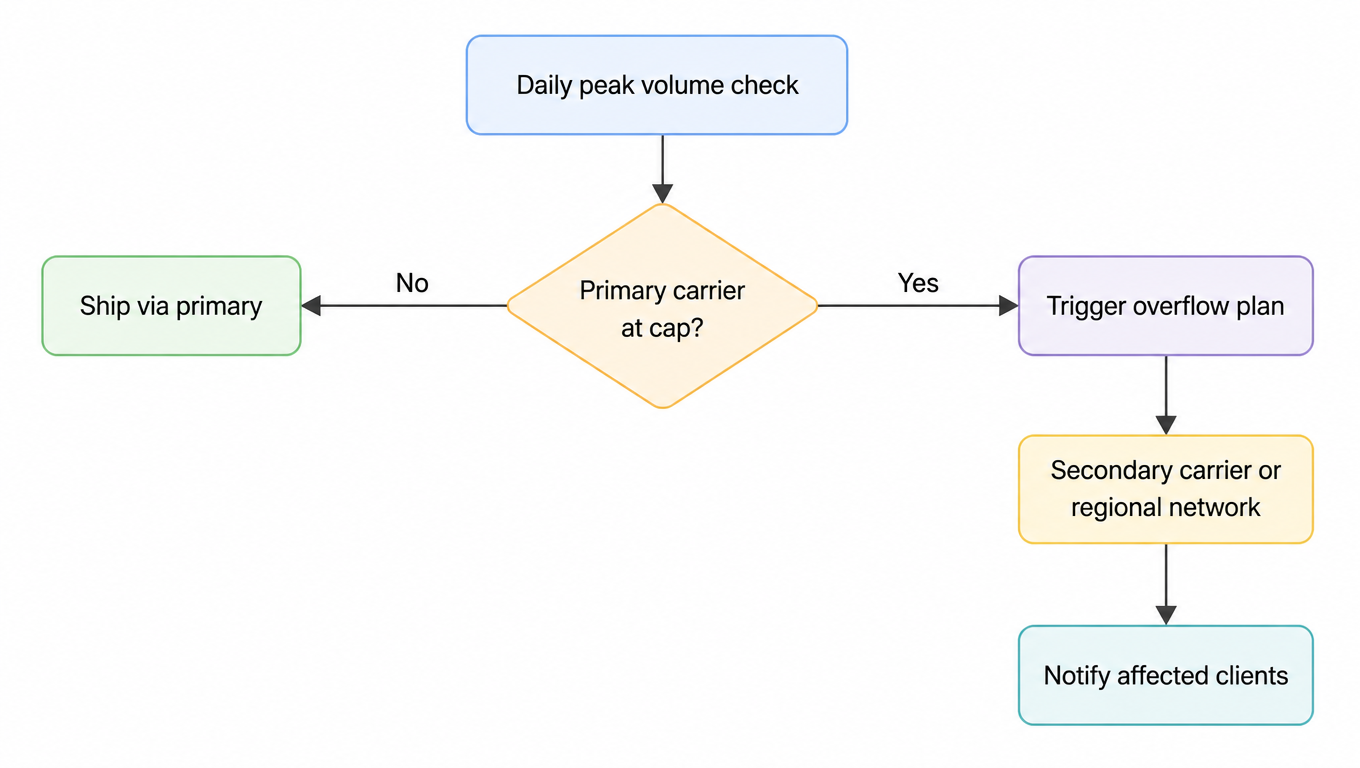
旺季是一年中唯一承运商说了算的时候。运力是配给而不是出售的,附加费在基础费率之上层层叠加,时效承诺被拉长。一个假设网络还像三月那样运转的发货人,不是在制定计划,而是在下注,而庄家几乎每年都赢。Peak season is the only time of year when the carriers set the rules. Capacity is allocated rather than sold, surcharges multiply on top of base rates, and transit time guarantees stretch. A shipper who assumes the network will behave as it does in March is not making a plan, they are making a bet, and the house wins that bet almost every year.
失败的方式因角色而异。对 3PL 和仓储方来说,风险是有限的运力要分给多个客户,货量一冲高就违约 SLA。对电商品牌来说,风险是附加费转嫁导致成本超支,再加上一年中最大销售周里错过派送窗口、侵蚀客户信任。两种失败都可预测,因此都可计划。The failure modes differ depending on who you are. For 3PLs and warehouses, the risk is spreading limited capacity across clients and then breaking SLA promises when volumes spike. For ecommerce brands, the risk is cost overruns as surcharges pass through, plus missed delivery windows that erode customer trust during the biggest sales weeks of the year. Both failure modes are predictable, which means both are plannable.
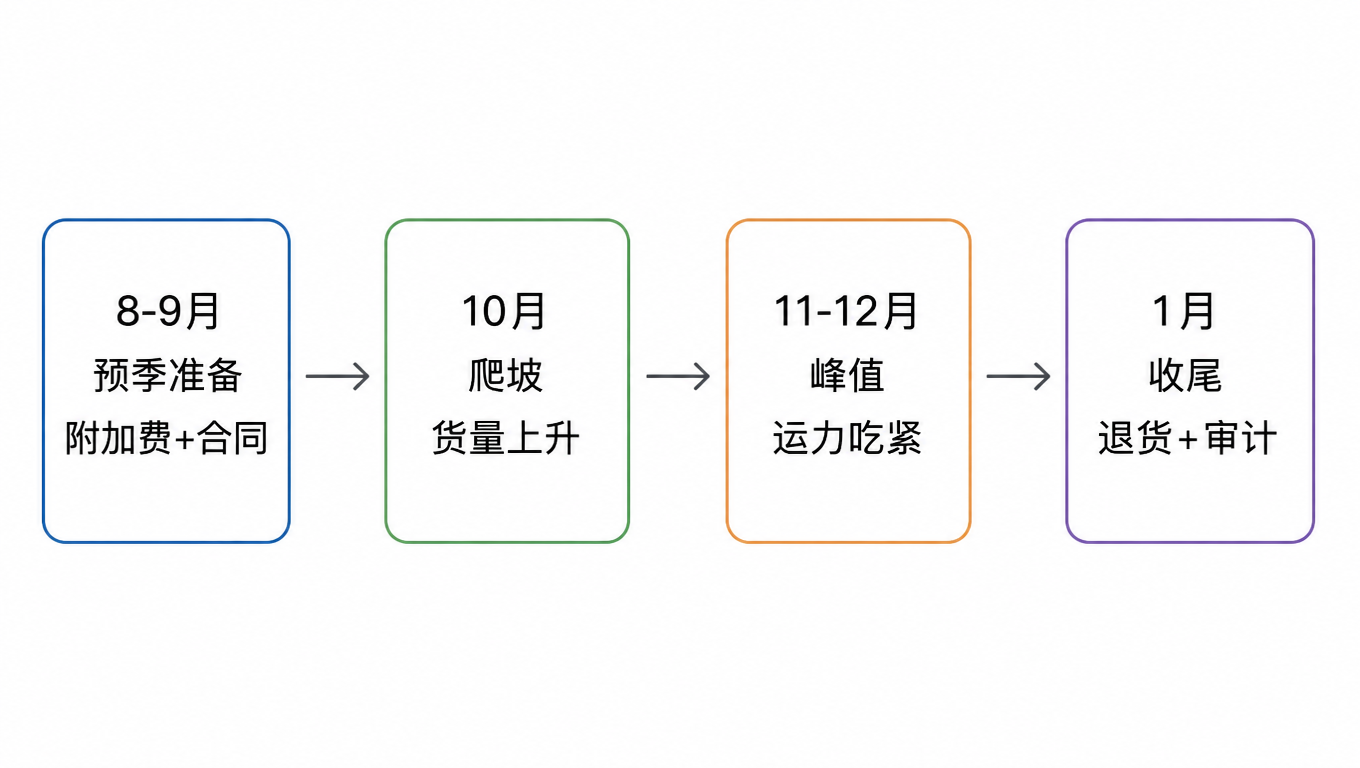
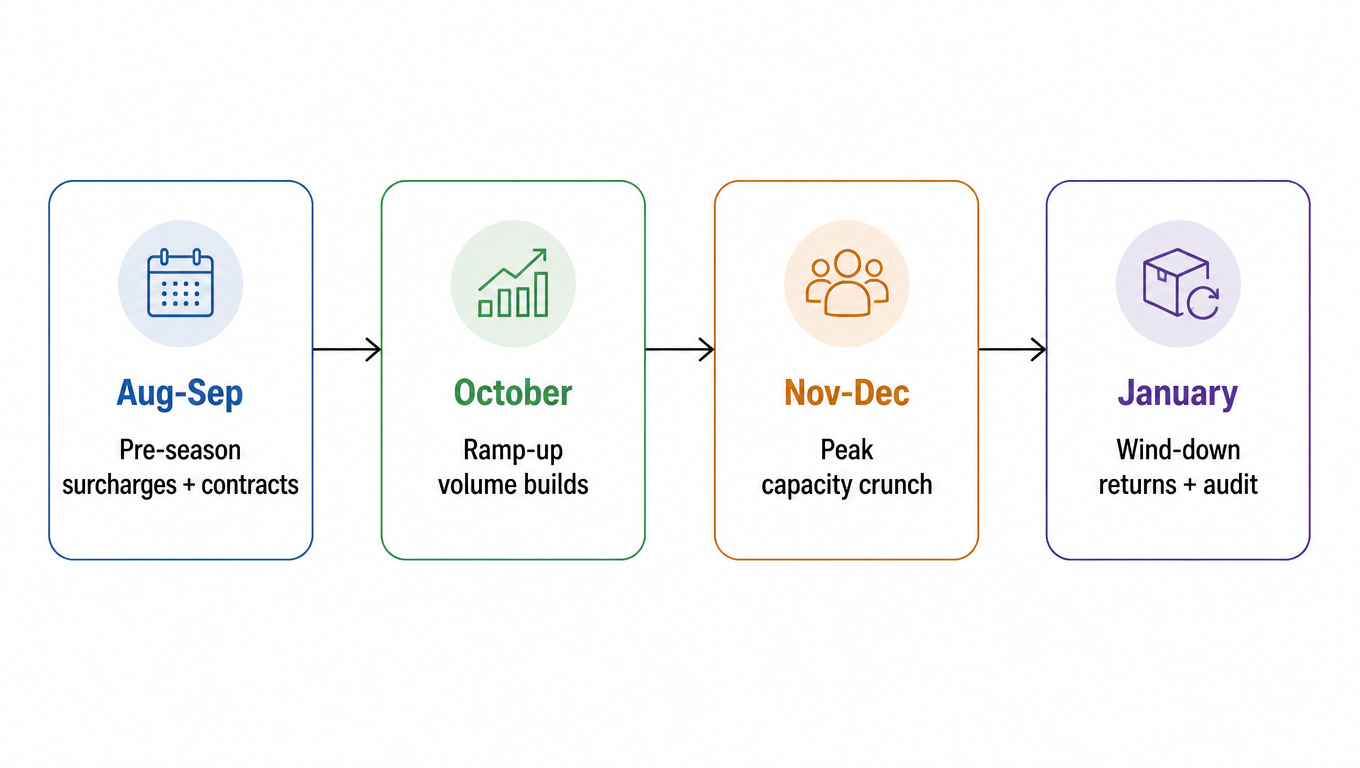
8 月就建好的计划,而不是 11 月才补的,才是区分盈利旺季和救火演习的东西。8 月是承运商合约谈判开启、附加费表公布、还有时间建模、测试和修补的时候。窗口在 10 月货量开始爬升的那一刻就关上了。A plan built in August, not November, is what separates a profitable peak from a fire drill. August is when carrier contract negotiations open, when surcharge schedules are published, and when there is still time to model, test, and fix. The window closes the moment volumes start climbing in October.