发货失误Shipping Mistakes

2026 年正在赶走客户的 17 个发货错误17 Common Shipping Mistakes Costing You Customers in 2026

发货,是电商品牌悄悄赢下或失去客户的环节。商品页帮你赢得了点击,结账页收下了付款,然后一切就押在一只箱子上:完好、准时、没有意外地抵达。做好了,你赢得复购;做砸了,你付两次钱:一次是退款、补发和承运商费用,另一次是这个客户再也不会回来。Shipping is where e-commerce brands quietly win or lose their customers. The product page won the click, the checkout captured the payment, and then everything rides on a box arriving intact, on time, and without surprises. Get that right and you earn repeat orders. Get it wrong and you pay twice: once in refunds, re-shipments, and carrier fees, and again when that customer never comes back.

这篇指南拆解 2026 年最常见的 17 个发货错误,按五个主题分组:地址与订单准确性、包装与面单、承运商与成本、清关与国际件、轨迹与客户体验。把这些问题修好,你保住的既是利润,也是复购率。This guide walks through the 17 most common shipping mistakes of 2026, grouped into five themes: address and order accuracy, packaging and labeling, carrier and cost, customs and international, and tracking and customer experience. Fix these and you protect both your margins and your repeat-purchase rate.

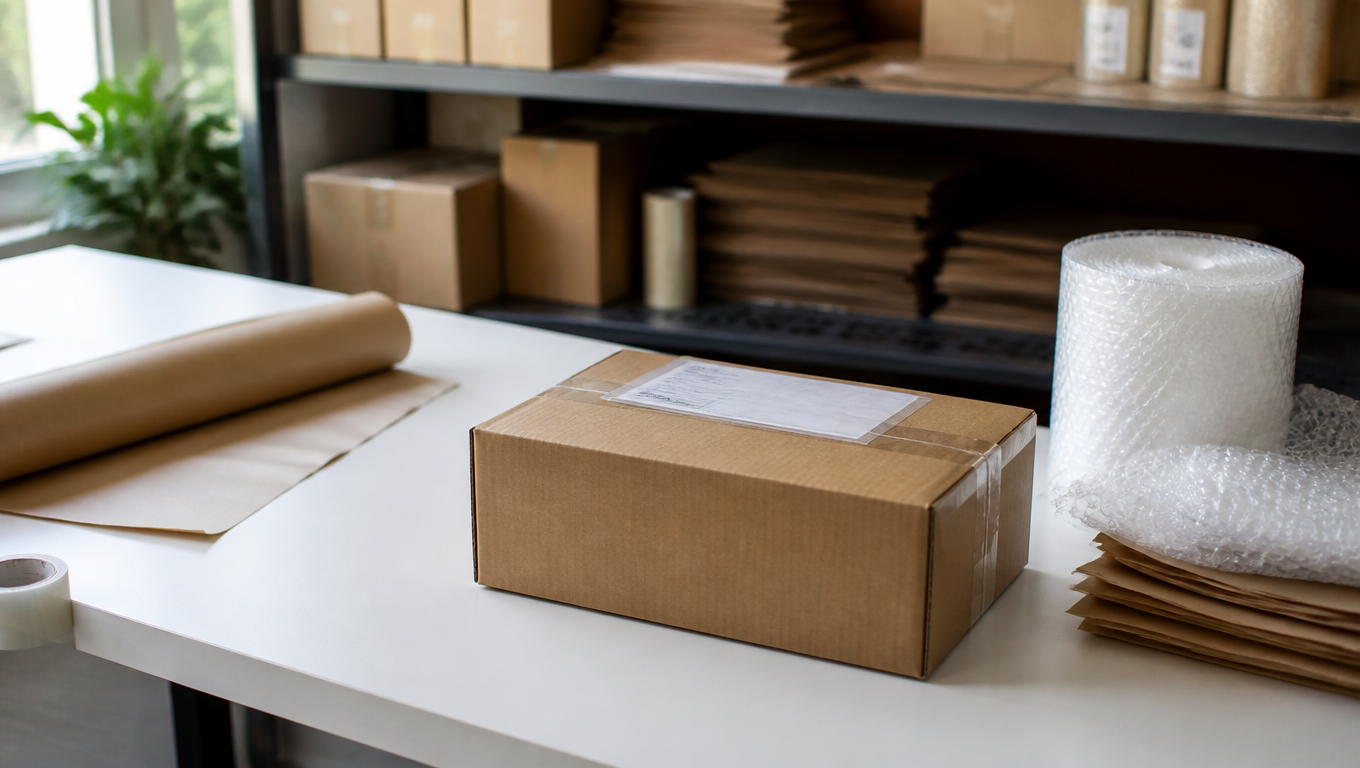
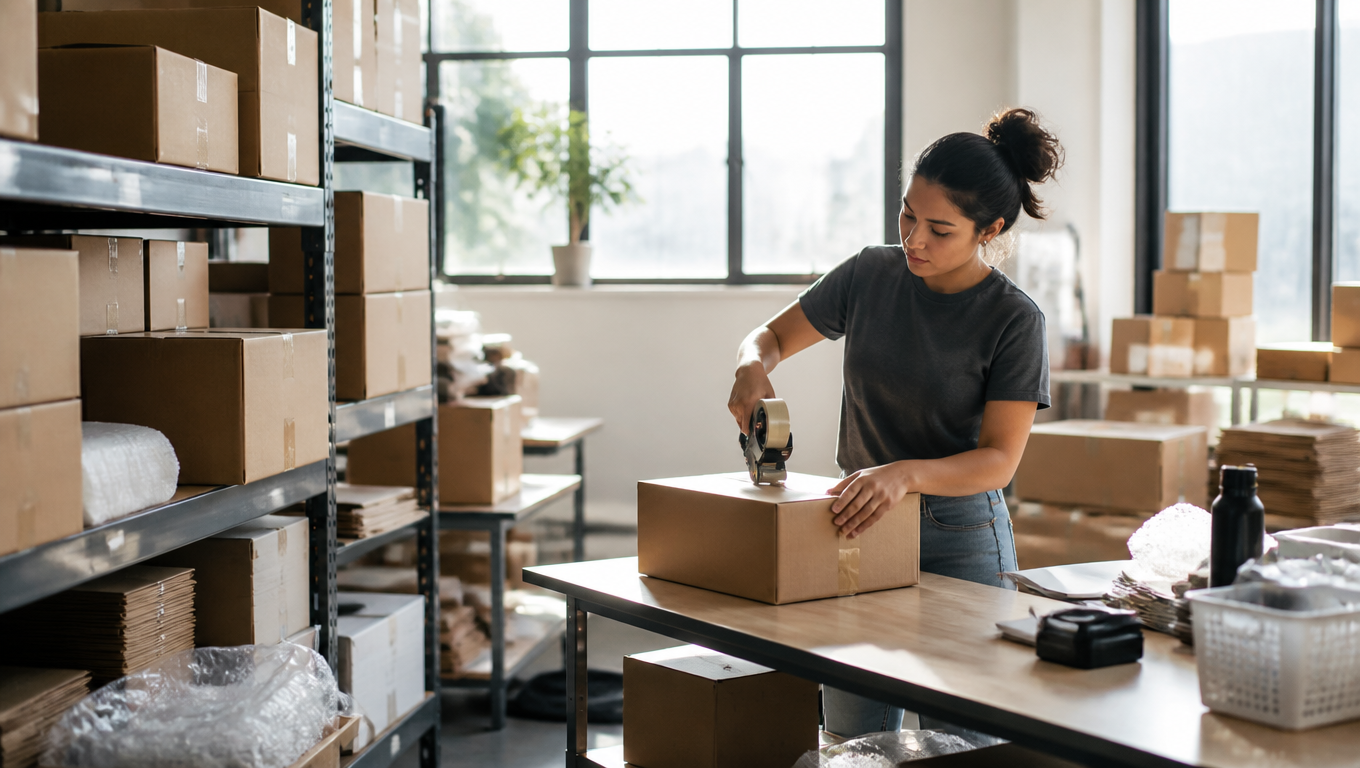
阳光下的电商打包台,贴着标签的包裹码放整齐,一名工人正在用胶带封箱
一次糟糕的派送体验,可能让 85% 的客户不再回来A poor delivery experience can push 85% of customers away

为什么发货错误会让你失去客户Why Shipping Mistakes Cost You Customers

数字毫不留情。Ipsos 的一项调查显示,85% 的线上购物者表示,一次糟糕的派送体验会让他们不再从这家零售商下单。派送不是事后才想的环节。它是品牌承诺接受考验的时刻,而且发生在营销预算花完之后很久。The numbers are stark. In an Ipsos survey, 85% of online shoppers said a poor delivery experience would stop them from ordering from that retailer again. Delivery is not an afterthought. It is the moment your brand promise is tested, and it happens long after the marketing budget has been spent.

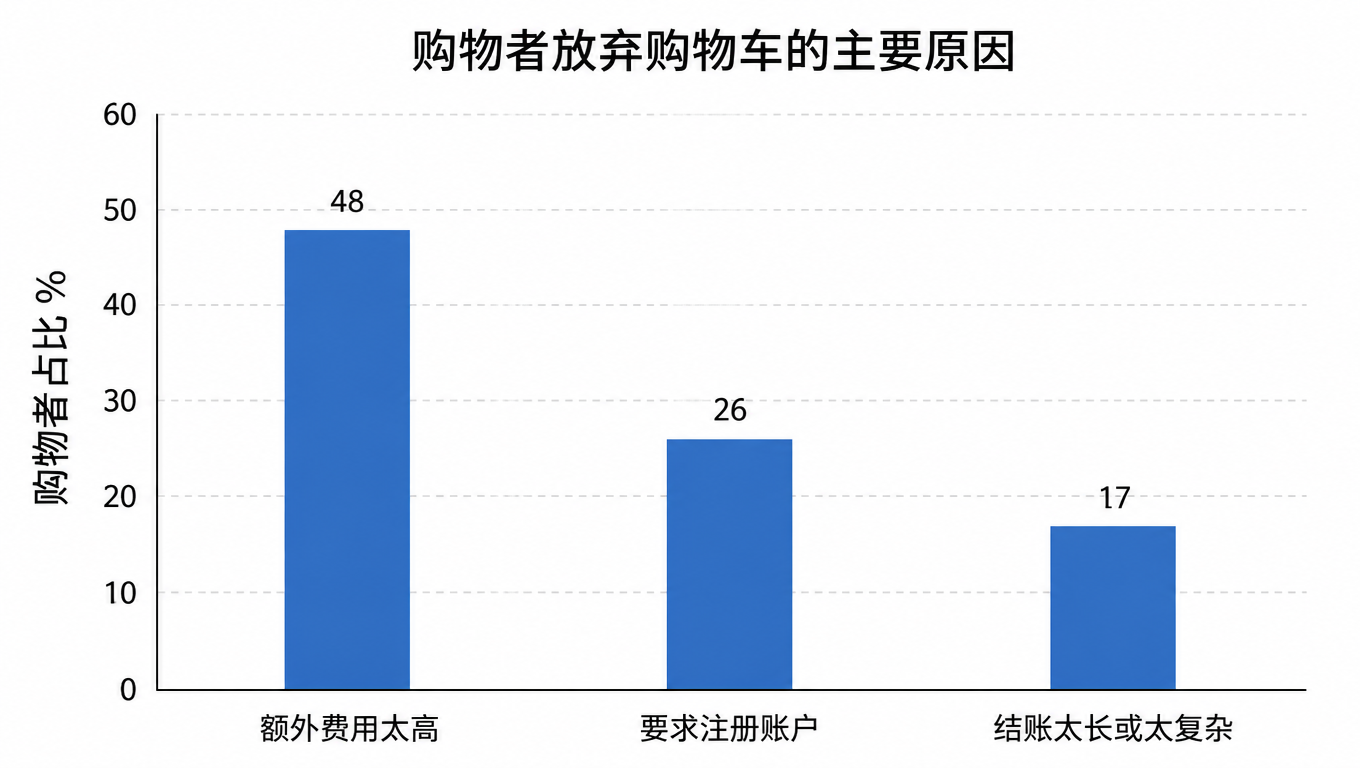
结账环节,额外费用是最大的杀手。Baymard Institute 的结账研究显示,48% 的购物者因为额外费用(运费、税费、手续费)太高而放弃购物车,26% 因为网站要求注册账户,17% 因为结账流程太长或太复杂。同样的逻辑也适用于结账之后:一张意外的关税账单、一段沉默的轨迹空白、一个迟到的包裹,都会把买家推向竞争对手。Extra costs are the biggest killer at checkout. Baymard Institute's checkout research finds that 48% of shoppers abandon a cart because the extra costs (shipping, tax, and fees) are too high, 26% because the site requires an account, and 17% because the checkout is too long or complicated. The same logic applies after checkout: a surprise duty bill, a silent tracking gap, or a parcel that arrives late is exactly the kind of friction that pushes buyers to a competitor.

购物者放弃购物车的主要原因:额外费用太高 48%,要求注册账户 26%,结账太长或太复杂 17%Top reasons shoppers abandon their carts: extra costs too high 48%, account required 26%, long or complex checkout 17%
弃购原因:额外费用是头号杀手Extra costs are the #1 cart abandonment killer

下面这 17 个错误,几乎每一个都是可以靠流程而不是运气避免的。把该修的修好,你省下的不只是退款和客服工单,还有那些本来会流失的回头客。Every one of the 17 mistakes below is avoidable with process rather than luck. Fix them and you save not just refunds and support tickets, but the repeat customers who would otherwise have left.

地址与订单准确性错误(错误 1 到 4)Address and Order Accuracy Mistakes (Mistakes 1 to 4)

错误 1:寄到错误或不完整的地址。拼写错误、漏写公寓号、客户资料里过期的旧地址,是派送失败最常见的原因。包裹无法妥投时,承运商会尝试、暂存、最后退回,成本落在你身上而不是快递员身上。客户通常怪的是品牌,不是地址栏。Mistake 1: Shipping to an incorrect or incomplete address. Typos, missing apartment numbers, and stale addresses saved in a customer profile are the most frequent causes of failed deliveries. When a parcel is undeliverable, carriers attempt, hold, and eventually return it, and the cost lands on you rather than the courier. The customer usually blames the brand, not the address bar.

错误 2:结账时跳过地址验证。地址验证对接 USPS 和国际邮政数据库,能在面单打印之前就拦住拼写错误。自动补全和邮编校验,把导致退货、改派费和「包裹已退回寄件人」邮件的那些人工作业错误挡在门外。Mistake 2: Skipping address validation at checkout. Address validation against USPS and international postal databases catches typos before a label is ever printed. Autocomplete fields and postal verification remove the human error that drives returns, re-delivery fees, and the "package was returned to sender" email.

错误 3:拣错商品或选错规格。凭记忆拣货而不是扫条码时,长得像的产品和不同尺码很容易拿混。客户收到错的东西,提交退货,你的毛利为这趟往返买单。封箱前扫码核对每一个 SKU,是便宜的保险。Mistake 3: Picking the wrong product or variant. When orders are picked from memory instead of by barcode, similar-looking products and size variants get swapped. The customer receives the wrong item, files a return, and your margin absorbs the round trip. Scanning every SKU before sealing the box is cheap insurance.

错误 4:无视包裹盗窃。门口盗件是包裹在最后一步凭空消失的真实原因。购物者越来越希望在结账时看到选项:需要签收、指定安全放置地点、或投递到自提柜。提供这个选择,能避免丢件和随之而来的退款。Mistake 4: Ignoring package theft. Porch piracy is a real reason parcels vanish at the final step. Shoppers increasingly expect a choice at checkout: signature required, a safe place directive, or delivery to a pickup locker. Offering that choice prevents lost parcels and the refunds that follow.

包装与面单错误(错误 5 到 8)Packaging and Labeling Mistakes (Mistakes 5 to 8)

错误 5:低估重量和尺寸。承运商按实际重量和体积重中较大者计费,体积重是箱子体积除以承运商特定的除数。2026 年规则变了:自 7 月 12 日起,USPS 对超过 1 立方英尺的 Priority Mail Express、Priority Mail、USPS Ground Advantage 和 Parcel Select 包裹,把除数从 166 降到 139,并且所有小数英寸全部向上取整。又轻又大的箱子,现在运费可能贵约 19%。所以每件包裹都要量,按真实数字录入。Mistake 5: Underestimating weight and dimensions. Carriers bill by the greater of actual weight and dimensional weight, which is the volume of the box divided by a carrier-specific divisor. The rules shifted in 2026: since July 12, USPS uses a divisor of 139 instead of 166 for Priority Mail Express, Priority Mail, USPS Ground Advantage, and Parcel Select packages larger than one cubic foot, and rounds every fractional inch up. Lightweight, bulky boxes can now cost roughly 19% more to ship, so measure every package and enter real numbers.

错误 6:易碎或贵重商品包装不足。薄纸箱、松散填充,等于把运输变成一场碰碰车大赛。货损意味着索赔、退款和差评。箱子、填充和胶带都要匹配商品的易碎度和价值,高价值包裹封箱前记得拍照。Mistake 6: Underpacking fragile or valuable goods. Thin boxes and loose cushioning turn transit into a demolition derby. Damaged goods mean claims, refunds, and negative reviews. Match the box, void fill, and tape to the fragility and value of the item, and photograph high-value parcels before sealing.

错误 7:面单模糊或损坏。低墨量打印机打出来的面单、折叠压住条码、运输途中蹭花的面单,都能让包裹原地停摆。面单必须干净、平整、完全可见,条码不能被遮挡,否则包裹就躺在分拣中心,而客户在等。Mistake 7: Unreadable or damaged shipping labels. A label printed on a low-ink printer, folded over the barcode, or scuffed in transit can stop a parcel cold. Labels must be clean, flat, and fully visible, with the barcode unobstructed, or the parcel sits in a sortation facility while the customer waits.

错误 8:缺少装箱单和报关单据。境内件需要箱内装箱单,国际件需要准确的商业发票。单据缺失或不符,是海关扣件数日最常见的原因之一,而且完全是可以预防的。Mistake 8: Missing packing slips and customs paperwork. Domestic orders need a packing slip inside the box; international orders need accurate commercial invoices. Missing or mismatched paperwork is one of the most common reasons customs holds parcels for days, and it is entirely preventable.

承运商与成本错误(错误 9 到 12)Carrier and Cost Mistakes (Mistakes 9 to 12)

错误 9:按零售价付运费。死守一家承运商的标准价目表,是最贵的发货方式。谈判费率、多承运商平台、货量折扣,通常能让单件成本降两位数百分比。如果你不比价,就是每一单都在多付钱。Mistake 9: Paying retail rates. Sticking to one carrier's standard rate sheet is the most expensive way to ship. Negotiated rates, multi-carrier platforms, and volume discounts routinely cut per-parcel costs by double digits. If you are not rate shopping, you are overpaying on every order.

错误 10:选错服务等级。客户接受两天达,你却买次晨达,烧的是毛利;易腐或时效敏感的商品选经济件,赌的是体验翻车。服务等级要匹配你在结账时做出的承诺,而不是你能打出的最便宜面单。Mistake 10: Choosing the wrong service level. Paying for overnight when the customer is fine with two days burns margin; choosing economy for a perishable or time-sensitive item risks a ruined experience. Match the service level to the promise you made at checkout, not the cheapest label you can print.

错误 11:不按单比较承运商。承运商价格随分区、重量、尺寸和季节变动。上个月最便宜的不代表今天最便宜。实时多承运商比价,让每一件包裹都走最优选项,而不是默认选项。Mistake 11: Not comparing carriers per shipment. Carrier pricing shifts by zone, weight, dimensions, and season. The cheapest carrier last month may not be the cheapest today. Live multi-carrier rate comparison keeps every parcel on the best option instead of a default.

错误 12:不买保险或错过索赔时限。没保险的高价值包裹,把承运商的失误变成你的全额损失。真发生货损丢件时,承运商有严格的索赔窗口,带着照片和单据按时提交,否则索赔会被拒。Mistake 12: Skipping insurance or missing claim deadlines. Uninsured high-value parcels turn a carrier's mistake into your full loss. When damage or loss does happen, carriers enforce strict claim windows, so file on time, with photos and documentation, or the claim is denied.

清关与国际件错误(错误 13 到 15)Customs and International Mistakes (Mistakes 13 to 15)

错误 13:HS 编码错误或缺失。每一票跨境货物都需要正确的协调制度(HS)编码。归类错误会导致关税金额错误、海关扣件,屡犯还会被罚款。维护一个带最新编码的产品数据库,按目的市场更新。Mistake 13: Wrong or missing HS codes. Every cross-border shipment needs a correct harmonized system (HS) code. Misclassification leads to wrong duty amounts, customs holds, and in repeated cases, penalties. Keep a product database with up-to-date codes for your destination markets.

错误 14:报关申报不实。低报货值、含糊品名(比如「gift」或「merchandise」),都是海关查验的红色信号。如实申报价值、诚实的品名、正确的原产国,让包裹顺利放行,也避免罚款。Mistake 14: Inaccurate customs declarations. Under-declared values and vague descriptions such as "gift" or "merchandise" are red flags for customs inspectors. Accurate value, honest descriptions, and correct country of origin keep parcels moving and prevent fines.

错误 15:混淆 Incoterms。DAP(目的地交货)把关税和税费留给买家在门口支付,这笔意外费用是国际件被拒收或弃货的头号原因。走 DDP(完税后交货),把费用移进结账环节,客户在那里就能看到,派送时的摩擦就消失了。Mistake 15: Confusing Incoterms. DAP (Delivered at Place) leaves duties and taxes for the buyer to pay at the door, and that surprise fee is a top reason international parcels get refused or abandoned. Shipping DDP (Delivered Duty Paid) moves those costs into checkout, where customers expect them, and removes the friction at delivery.

轨迹与客户体验错误(错误 16 和 17)Tracking and Customer Experience Mistakes (Mistakes 16 and 17)

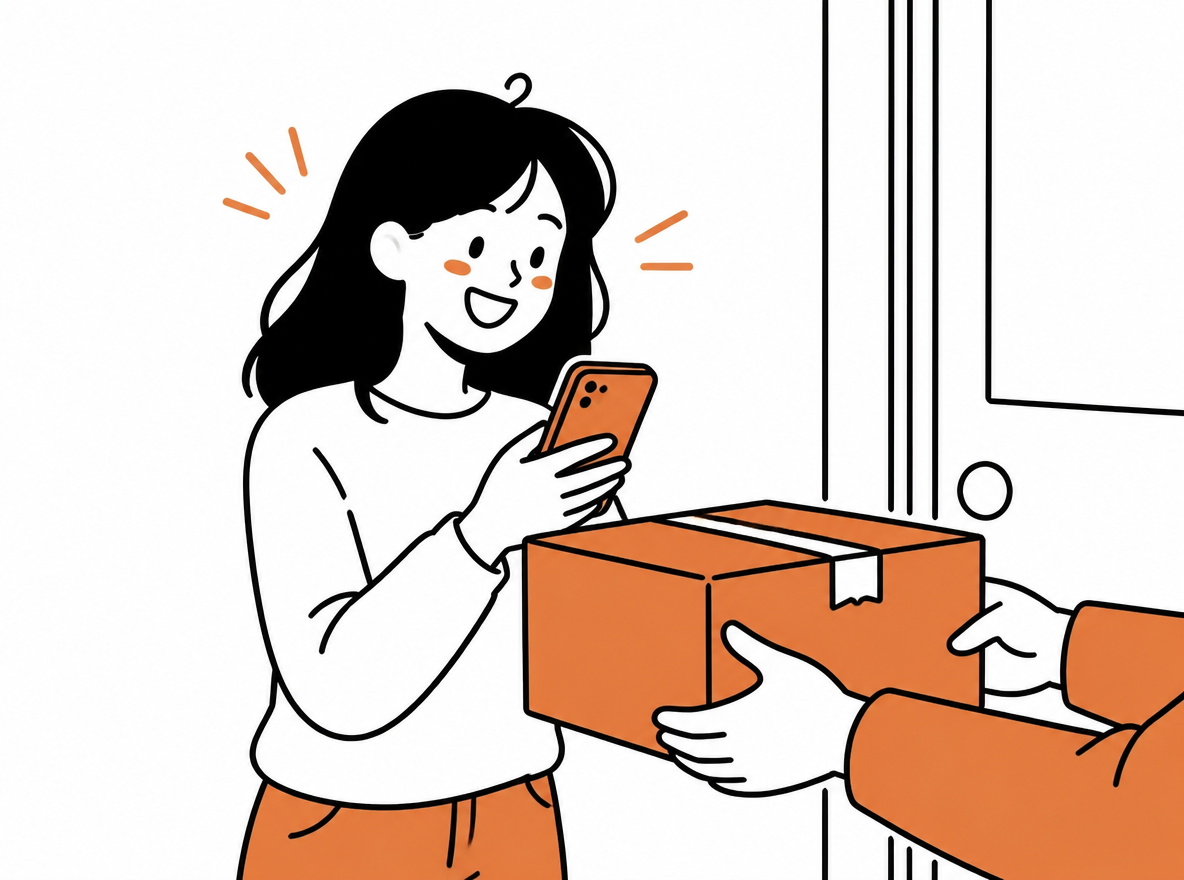
开心的购物者在家门口签收包裹,同时用手机查看派送状态
签收不是终点,沟通才是体验的一部分Delivery isn't the end; communication is part of the experience

错误 16:订单处理慢,没有时效 SLA。真正起算的时钟从下单那一刻开始,而不是从出库开始。一项对 500 名消费者的研究显示,69% 的人表示,如果购买的商品没有在承诺日期后两天内到达,他们再次光顾的可能性会明显降低。包裹在「面单已创建」状态躺好几天,读起来就是怠慢。定一个处理 SLA,每次都做到。Mistake 16: Slow order processing with no handling SLA. The clock that matters starts when the order is placed, not when it leaves the warehouse. In a study of 500 consumers, 69% said they are much less or less likely to shop with a retailer again if their purchase does not arrive within two days of the promised date. A parcel that sits in "label created" for days reads as neglect. Define a processing SLA and hit it every time.

错误 17:轨迹沟通太差。一个跟踪号不是沟通。模糊的状态、沉默的空白、通用的承运商查询页,让客户焦虑,也让客服被「我的订单到哪了」淹没。品牌化轨迹页和主动通知,在出库、运输中、妥投三个节点推送,让客户始终知情,也砍掉客服压力。Mistake 17: Poor tracking communication. A tracking number is not communication. Vague statuses, silent gaps, and generic carrier pages leave customers anxious and flood your support with "where is my order" messages. Branded tracking pages and proactive notifications, at dispatch, in transit, and at delivery, keep customers informed and cut support load.

如何避免这些错误:2026 年发货核对清单How to Avoid These Mistakes: A 2026 Shipping Checklist

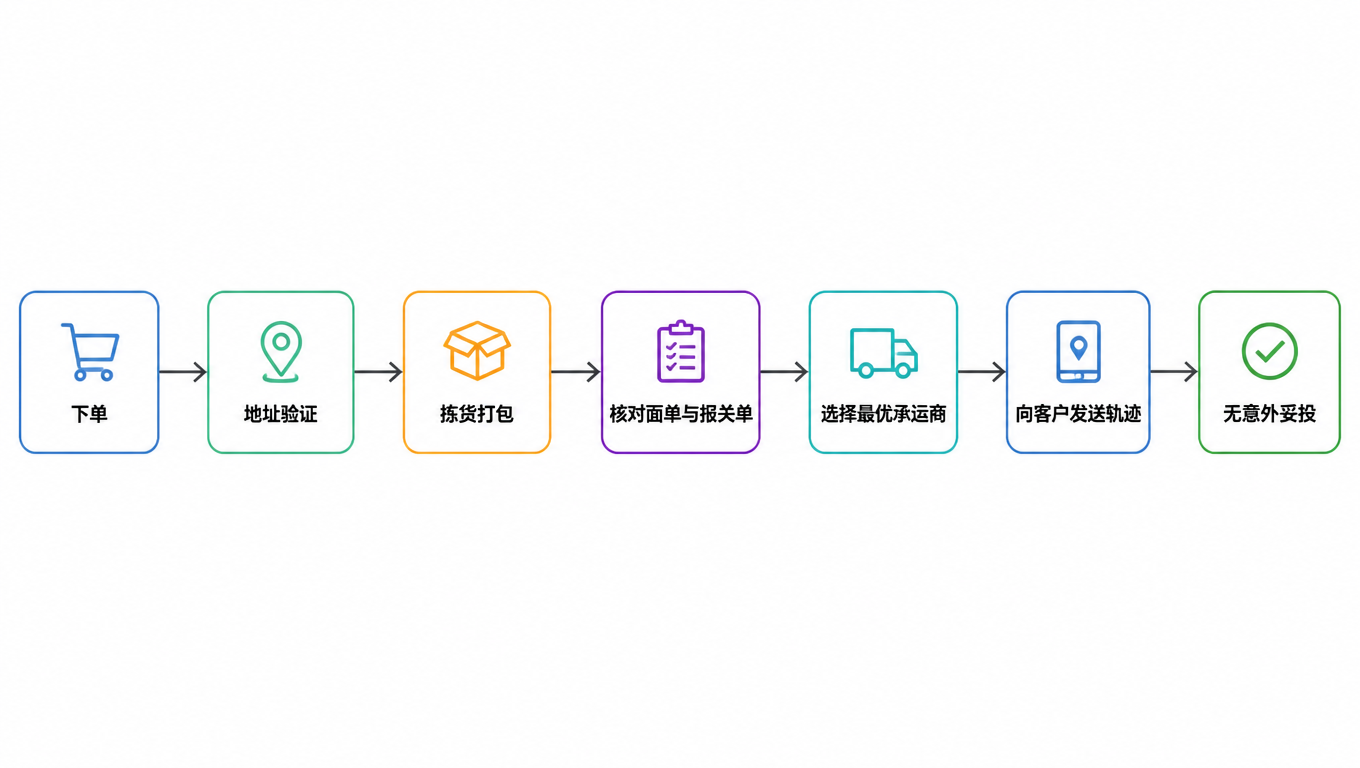
好消息是,上面几乎每个错误都能靠流程而不是英雄主义来预防。可靠的发货团队对每一单做同样的检查,按同样的顺序,这正是把发货从一场赌博变成一套可复现系统的方式:The good news is that nearly every mistake above is preventable with process rather than heroics. Reliable shippers run the same checks on every order, in the same order, which is what turns shipping from a gamble into a repeatable system:

流程图:下单、地址验证、拣货打包、核对面单与报关单、选择最优承运商、向客户发送轨迹、无意外妥投Flow: order placed, address validated, item picked and packed, label and customs docs checked, best carrier selected, tracking sent to customer, delivered with no surprises
每一单都跑同一套检查:把发货从赌博变成系统Run the same checks on every order: shipping as a system, not a gamble

能自动化的尽量自动化:结账时的地址验证、扫码拣货、带正确重量尺寸的面单生成、实时多承运商比价、推送给客户的轨迹通知。每多一个自动化,就少一个人类打错字、拣错货、忘掉事情的地方。Automate what can be automated: address validation at checkout, barcode-guided picking, label generation with correct weights and dimensions, live multi-carrier rate comparison, and tracking notifications pushed to the customer. Every automation removes a spot where a human can mis-type, mis-pick, or forget.

从影响最大的开始修:验证地址、用合适尺寸的箱子、比较承运商费率、国际件走 DDP、主动沟通。这些都不贵,而且都会复利。错误更少意味着退款更少、客服工单更少、回头的客户更多,这才是 2026 年一个发货体系是否做对的真正度量。Start with the highest-impact fixes: validate addresses, right-size boxes, compare carrier rates, ship DDP for international buyers, and communicate proactively. None of these are expensive, and all of them compound. Fewer mistakes means fewer refunds, fewer support tickets, and more customers who come back, which is the real measure of a shipping operation done right in 2026.

常见问题FAQ

最伤人的错误往往是客户流失之后才被看见的:结账时不验证地址、寄到错误地址;低估重量和尺寸(2026 年 7 月 USPS 把体积重除数从 166 降到 139,又轻又大的箱子运费贵了约 19%);以及轨迹沟通太差,客服被「我的订单到哪了」淹没。修好地址校验、量好每只箱子、主动推送轨迹通知,就够了。The most damaging ones are invisible until a customer churns: shipping to an incorrect address without validating at checkout, underestimating weight and dimensions (the July 2026 USPS divisor change from 166 to 139 made bulky lightweight boxes roughly 19% more expensive), and poor tracking communication that floods support with "where is my order" messages. Fix the address check, measure every box, and notify proactively.
自 2026 年 7 月 12 日起,USPS 对超过 1 立方英尺的 Priority Mail Express、Priority Mail、USPS Ground Advantage 和 Parcel Select 包裹,把体积重除数从 166 降到 139,所有小数英寸全部向上取整。又轻又大的箱子,计费重量大约变重 19%。所以每件包裹都要量,按真实尺寸录入。Since July 12, 2026, USPS uses a divisor of 139 instead of 166 for Priority Mail Express, Priority Mail, USPS Ground Advantage, and Parcel Select packages larger than one cubic foot, and rounds every fractional inch up. The same box now bills about 19% heavier when it is light and bulky. Measure every package and enter real dimensions.
对小包电商来说,DDP(完税后交货)通常客户体验更好:关税和税费在结账时就显示出来,买家在那里就能看到,门口没有意外账单,拒收也更少。DAP(目的地交货)把关税留给买家在派送时支付,这正是国际件被拒收或弃货的头号原因。For small-parcel e-commerce, DDP (Delivered Duty Paid) is usually the better customer experience: duties and taxes move into checkout where the buyer expects them, so there is no surprise fee at the door and fewer refusals. DAP (Delivered at Place) leaves the duty to the buyer at delivery, which is the top reason international parcels get refused or abandoned.
Baymard 的结账研究显示,48% 的购物者因为额外费用太高而放弃购物车。尽可能早、尽可能诚实地展示运费;用合适尺寸的箱子,别让体积重把报价撑高;按单比较承运商,把费率压到有竞争力。结账后出现的意外费用是同一个杀手,只是晚了一步。Baymard's checkout research finds 48% of shoppers abandon a cart because extra costs are too high. Show shipping cost as early and as honestly as possible, right-size boxes so dimensional weight does not inflate the quote, and compare carriers per shipment to keep the rate competitive. A surprise charge after checkout is the same killer, moved one step later.
结账时验证地址、按条码拣货、箱子和缓冲匹配商品、核对面单与报关单据、比较承运商拿到最优费率、在出库、运输中、妥投三个节点主动推送轨迹。把重复的环节自动化,让每一单都按同样的顺序跑同一套检查,而不是靠人的记性。Validate the address at checkout, pick by barcode, match the box and cushioning to the item, verify the label and customs paperwork, compare carriers for the best rate, and push proactive tracking updates at dispatch, in transit, and at delivery. Automate the repetitive parts so the checks happen on every order, in the same order, without relying on memory.
Get Rate Comparison
Get Rate Comparison