Shipping Mistakes

17 Common Shipping Mistakes Costing You Customers in 2026

Shipping is where e-commerce brands quietly win or lose their customers. The product page won the click, the checkout captured the payment, and then everything rides on a box arriving intact, on time, and without surprises. Get that right and you earn repeat orders. Get it wrong and you pay twice: once in refunds, re-shipments, and carrier fees, and again when that customer never comes back.

This guide walks through the 17 most common shipping mistakes of 2026, grouped into five themes: address and order accuracy, packaging and labeling, carrier and cost, customs and international, and tracking and customer experience. Fix these and you protect both your margins and your repeat-purchase rate.

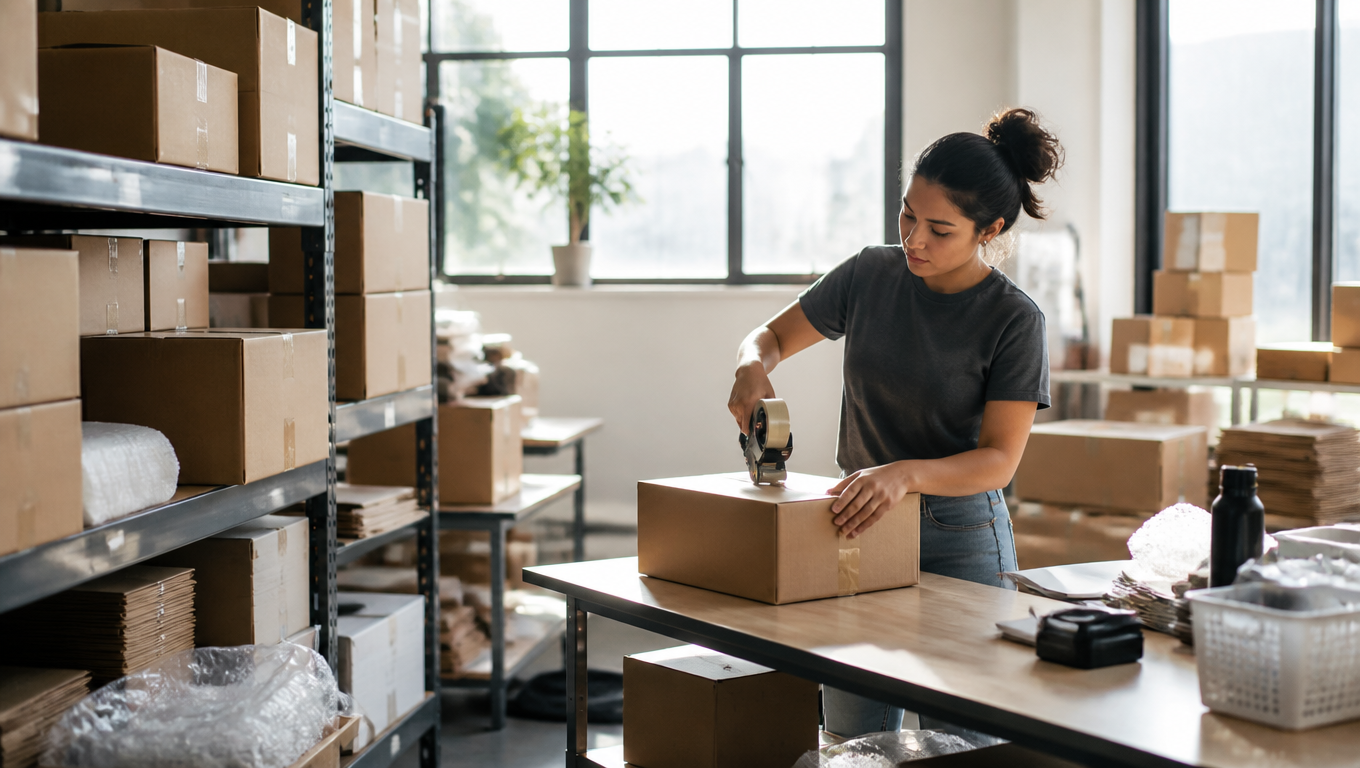
Worker tapes a box at a sunlit ecommerce packing station beside labeled parcels.
A poor delivery experience can push 85% of customers away

Why Shipping Mistakes Cost You Customers

The numbers are stark. In an Ipsos survey, 85% of online shoppers said a poor delivery experience would stop them from ordering from that retailer again. Delivery is not an afterthought. It is the moment your brand promise is tested, and it happens long after the marketing budget has been spent.

Extra costs are the biggest killer at checkout. Baymard Institute's checkout research finds that 48% of shoppers abandon a cart because the extra costs (shipping, tax, and fees) are too high, 26% because the site requires an account, and 17% because the checkout is too long or complicated. The same logic applies after checkout: a surprise duty bill, a silent tracking gap, or a parcel that arrives late is exactly the kind of friction that pushes buyers to a competitor.
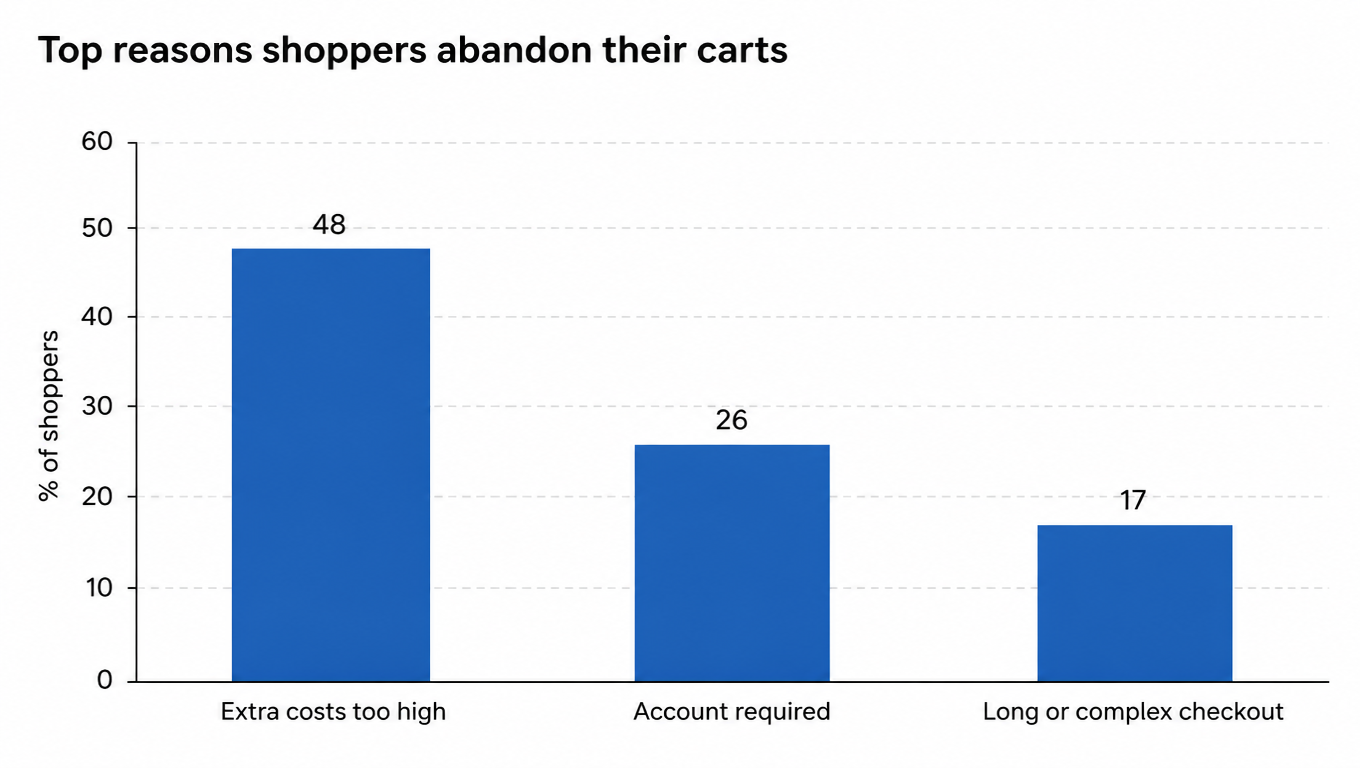
Top reasons shoppers abandon their carts: extra costs too high 48%, account required 26%, long or complex checkout 17%
Extra costs are the #1 cart abandonment killer

Every one of the 17 mistakes below is avoidable with process rather than luck. Fix them and you save not just refunds and support tickets, but the repeat customers who would otherwise have left.
Address and Order Accuracy Mistakes (Mistakes 1 to 4)

Mistake 1: Shipping to an incorrect or incomplete address. Typos, missing apartment numbers, and stale addresses saved in a customer profile are the most frequent causes of failed deliveries. When a parcel is undeliverable, carriers attempt, hold, and eventually return it, and the cost lands on you rather than the courier. The customer usually blames the brand, not the address bar.

Mistake 2: Skipping address validation at checkout. Address validation against USPS and international postal databases catches typos before a label is ever printed. Autocomplete fields and postal verification remove the human error that drives returns, re-delivery fees, and the "package was returned to sender" email.

Mistake 3: Picking the wrong product or variant. When orders are picked from memory instead of by barcode, similar-looking products and size variants get swapped. The customer receives the wrong item, files a return, and your margin absorbs the round trip. Scanning every SKU before sealing the box is cheap insurance.

Mistake 4: Ignoring package theft. Porch piracy is a real reason parcels vanish at the final step. Shoppers increasingly expect a choice at checkout: signature required, a safe place directive, or delivery to a pickup locker. Offering that choice prevents lost parcels and the refunds that follow.

Packaging and Labeling Mistakes (Mistakes 5 to 8)

Mistake 5: Underestimating weight and dimensions. Carriers bill by the greater of actual weight and dimensional weight, which is the volume of the box divided by a carrier-specific divisor. The rules shifted in 2026: since July 12, USPS uses a divisor of 139 instead of 166 for Priority Mail Express, Priority Mail, USPS Ground Advantage, and Parcel Select packages larger than one cubic foot, and rounds every fractional inch up. Lightweight, bulky boxes can now cost roughly 19% more to ship, so measure every package and enter real numbers.

Mistake 6: Underpacking fragile or valuable goods. Thin boxes and loose cushioning turn transit into a demolition derby. Damaged goods mean claims, refunds, and negative reviews. Match the box, void fill, and tape to the fragility and value of the item, and photograph high-value parcels before sealing.

Mistake 7: Unreadable or damaged shipping labels. A label printed on a low-ink printer, folded over the barcode, or scuffed in transit can stop a parcel cold. Labels must be clean, flat, and fully visible, with the barcode unobstructed, or the parcel sits in a sortation facility while the customer waits.

Mistake 8: Missing packing slips and customs paperwork. Domestic orders need a packing slip inside the box; international orders need accurate commercial invoices. Missing or mismatched paperwork is one of the most common reasons customs holds parcels for days, and it is entirely preventable.

Carrier and Cost Mistakes (Mistakes 9 to 12)

Mistake 9: Paying retail rates. Sticking to one carrier's standard rate sheet is the most expensive way to ship. Negotiated rates, multi-carrier platforms, and volume discounts routinely cut per-parcel costs by double digits. If you are not rate shopping, you are overpaying on every order.

Mistake 10: Choosing the wrong service level. Paying for overnight when the customer is fine with two days burns margin; choosing economy for a perishable or time-sensitive item risks a ruined experience. Match the service level to the promise you made at checkout, not the cheapest label you can print.

Mistake 11: Not comparing carriers per shipment. Carrier pricing shifts by zone, weight, dimensions, and season. The cheapest carrier last month may not be the cheapest today. Live multi-carrier rate comparison keeps every parcel on the best option instead of a default.

Mistake 12: Skipping insurance or missing claim deadlines. Uninsured high-value parcels turn a carrier's mistake into your full loss. When damage or loss does happen, carriers enforce strict claim windows, so file on time, with photos and documentation, or the claim is denied.

Customs and International Mistakes (Mistakes 13 to 15)

Mistake 13: Wrong or missing HS codes. Every cross-border shipment needs a correct harmonized system (HS) code. Misclassification leads to wrong duty amounts, customs holds, and in repeated cases, penalties. Keep a product database with up-to-date codes for your destination markets.

Mistake 14: Inaccurate customs declarations. Under-declared values and vague descriptions such as "gift" or "merchandise" are red flags for customs inspectors. Accurate value, honest descriptions, and correct country of origin keep parcels moving and prevent fines.

Mistake 15: Confusing Incoterms. DAP (Delivered at Place) leaves duties and taxes for the buyer to pay at the door, and that surprise fee is a top reason international parcels get refused or abandoned. Shipping DDP (Delivered Duty Paid) moves those costs into checkout, where customers expect them, and removes the friction at delivery.

Tracking and Customer Experience Mistakes (Mistakes 16 and 17)

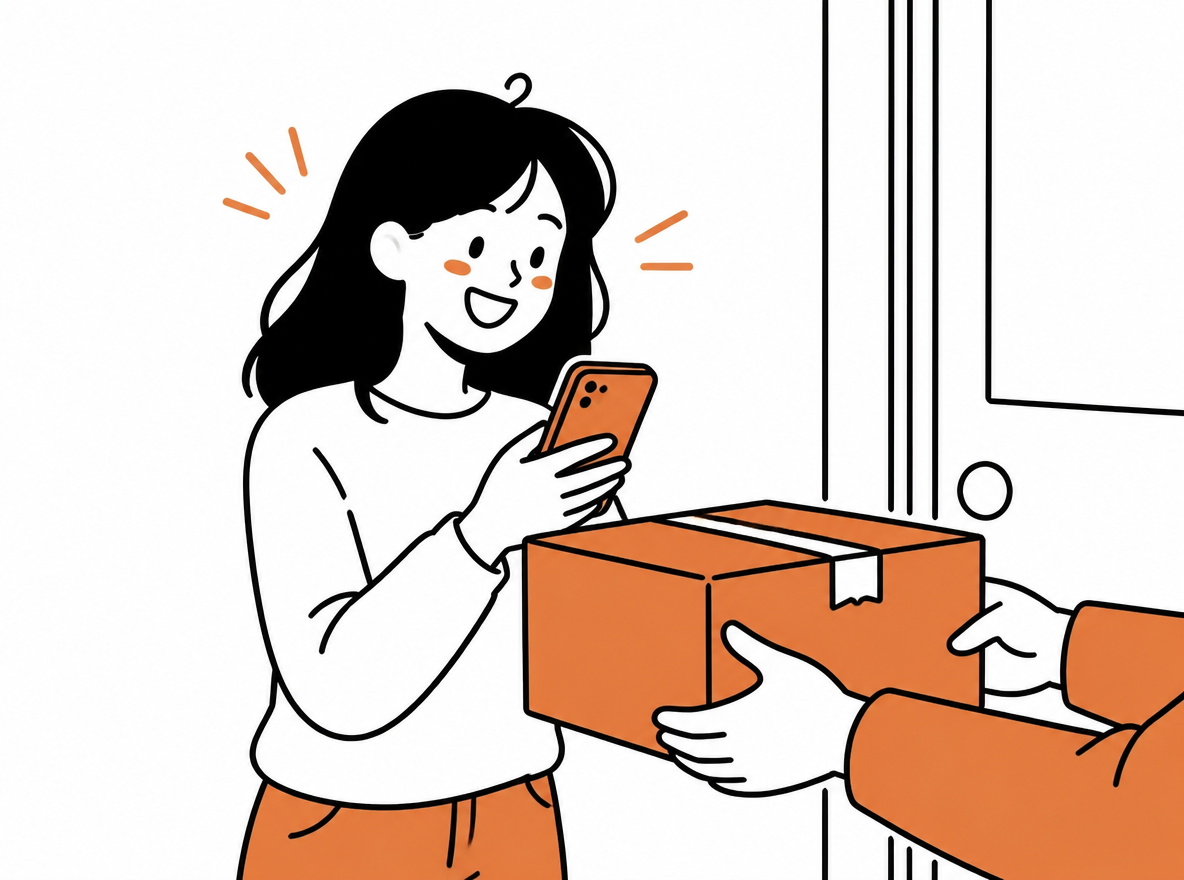
Shopper receives a parcel at home while checking delivery status on a phone.
Delivery isn't the end; communication is part of the experience

Mistake 16: Slow order processing with no handling SLA. The clock that matters starts when the order is placed, not when it leaves the warehouse. In a study of 500 consumers, 69% said they are much less or less likely to shop with a retailer again if their purchase does not arrive within two days of the promised date. A parcel that sits in "label created" for days reads as neglect. Define a processing SLA and hit it every time.

Mistake 17: Poor tracking communication. A tracking number is not communication. Vague statuses, silent gaps, and generic carrier pages leave customers anxious and flood your support with "where is my order" messages. Branded tracking pages and proactive notifications, at dispatch, in transit, and at delivery, keep customers informed and cut support load.

How to Avoid These Mistakes: A 2026 Shipping Checklist

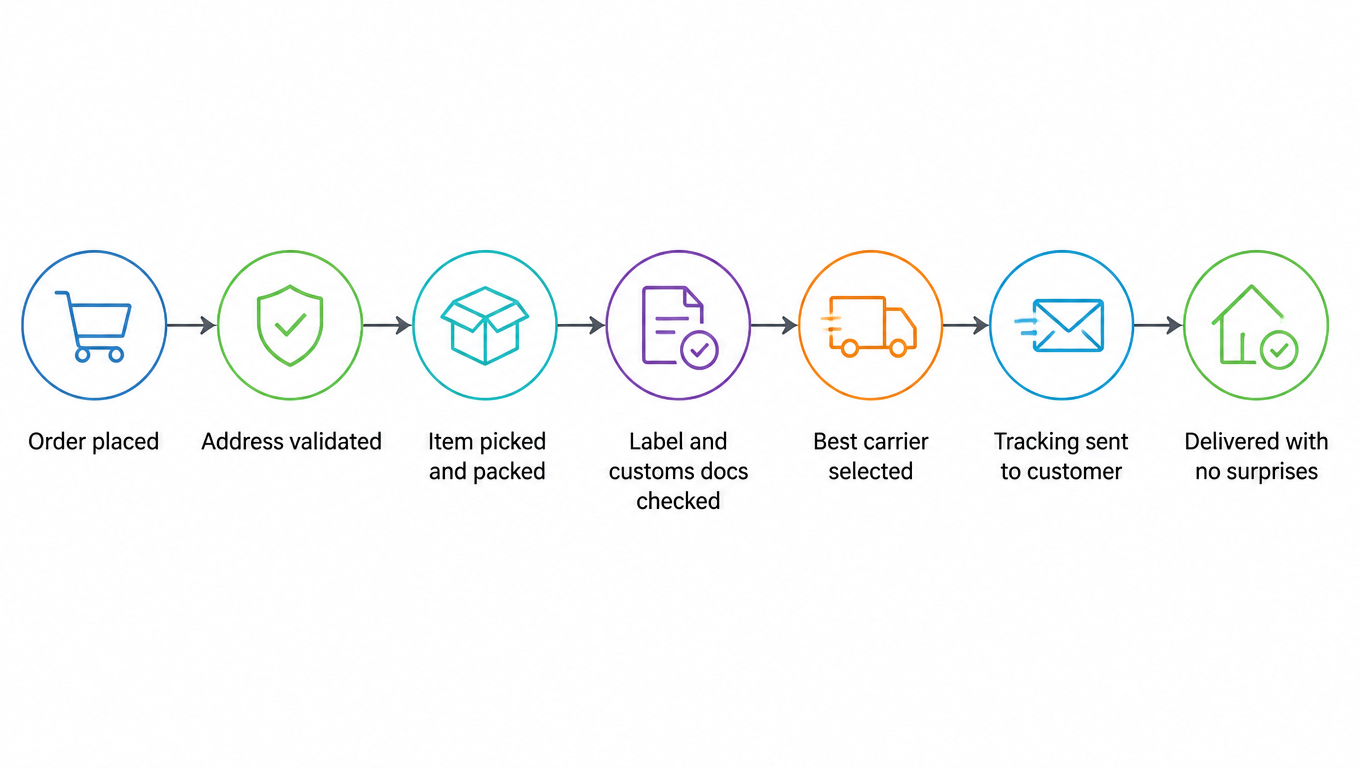
The good news is that nearly every mistake above is preventable with process rather than heroics. Reliable shippers run the same checks on every order, in the same order, which is what turns shipping from a gamble into a repeatable system:

Flow: order placed, address validated, item picked and packed, label and customs docs checked, best carrier selected, tracking sent to customer, delivered with no surprises
Run the same checks on every order: shipping as a system, not a gamble

Automate what can be automated: address validation at checkout, barcode-guided picking, label generation with correct weights and dimensions, live multi-carrier rate comparison, and tracking notifications pushed to the customer. Every automation removes a spot where a human can mis-type, mis-pick, or forget.

Start with the highest-impact fixes: validate addresses, right-size boxes, compare carrier rates, ship DDP for international buyers, and communicate proactively. None of these are expensive, and all of them compound. Fewer mistakes means fewer refunds, fewer support tickets, and more customers who come back, which is the real measure of a shipping operation done right in 2026.

FAQ

The most damaging ones are invisible until a customer churns: shipping to an incorrect address without validating at checkout, underestimating weight and dimensions (the July 2026 USPS divisor change from 166 to 139 made bulky lightweight boxes roughly 19% more expensive), and poor tracking communication that floods support with "where is my order" messages. Fix the address check, measure every box, and notify proactively.
Since July 12, 2026, USPS uses a divisor of 139 instead of 166 for Priority Mail Express, Priority Mail, USPS Ground Advantage, and Parcel Select packages larger than one cubic foot, and rounds every fractional inch up. The same box now bills about 19% heavier when it is light and bulky. Measure every package and enter real dimensions.
For small-parcel e-commerce, DDP (Delivered Duty Paid) is usually the better customer experience: duties and taxes move into checkout where the buyer expects them, so there is no surprise fee at the door and fewer refusals. DAP (Delivered at Place) leaves the duty to the buyer at delivery, which is the top reason international parcels get refused or abandoned.
Baymard's checkout research finds 48% of shoppers abandon a cart because extra costs are too high. Show shipping cost as early and as honestly as possible, right-size boxes so dimensional weight does not inflate the quote, and compare carriers per shipment to keep the rate competitive. A surprise charge after checkout is the same killer, moved one step later.
Validate the address at checkout, pick by barcode, match the box and cushioning to the item, verify the label and customs paperwork, compare carriers for the best rate, and push proactive tracking updates at dispatch, in transit, and at delivery. Automate the repetitive parts so the checks happen on every order, in the same order, without relying on memory.