SHIPPING KNOWLEDGE CENTER

Shipping guides
that help your
business grow.

Practical shipping strategies, carrier insights, and operational playbooks to help you reduce costs, improve delivery, and scale with confidence.

Carrier Network USPS GOFO UniUni SpeedX + More
EasyShippingX EasyshippingX
eCommerce
Sellers
3PLs &
Warehouses
ERP / SaaS
Platforms

Discounted RatesShipment-specific rates

Multiple CarriersUSPS, GOFO, UniUni

Easy IntegrationAPI, plugins, bulk upload

SupportWe're here to help

Start with the problem you need to solve

Three decision paths for U.S. 3PL and warehouse teams. Start with your current problem and use client, warehouse, and parcel-segment records to support the decision. Fill evidence gaps before moving forward.

Do you need a second carrier?

Your question
Which shipments should stay with USPS, and which regions or parcel segments need a complementary carrier?
Bring these records
Origin warehouse, destination ZIPs, parcel weights and dimensions, delivery promises, current costs, and exception records.
Decision to reach
Continue, supplement, or pause for a defined shipment segment, then validate coverage, handoff, final cost, and pilot results.

Why are shipping costs or invoices higher?

Your question
Is the quote high, does the final charge differ from the quote, or do exceptions and manual work erase the savings?
Bring these records
Quotes, label purchases, final invoices, adjustments and credits for the same shipments, plus parcel and handling records.
Decision to reach
Classify the issue, find the cost driver, reconcile charges, resolve evidenced disputes, and verify improvement.

Portal, Excel, or API?

Your question
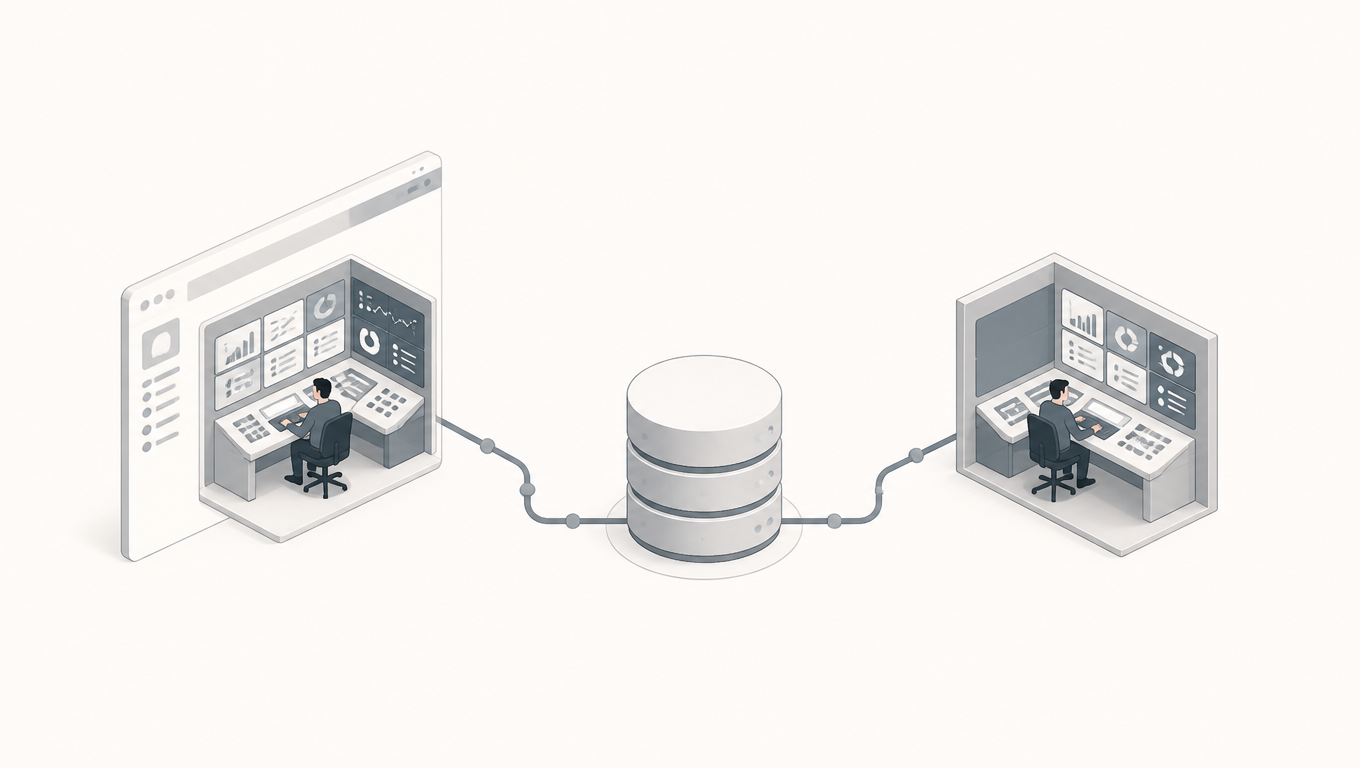
How should multi-client workflows align, and which entry method fits your operation, technical team, and failure handling?
Bring these records
Client and warehouse requirements, order and parcel samples, field mappings, failure scenarios, and operations and technical owners.
Decision to reach
Choose the entry method and workflow boundaries, test failures, pilot a limited scope, then monitor and reconcile.

Browse by topics

Latest guides

Fresh insights and updates from our shipping experts.

View all guides
3PL Software for Small Business: Made for DTC Running a small 3PL today usually means serving half a dozen DTC brands at once, each with its own storefronts, packaging rules, and customers who expect Amazon-level speed. The software most warehouses start with was never built for that job. This guide is the checklist, the comparison, and the 30-day plan to get off generic shipping tools and onto software that treats your warehouse like a business, not a label printer. 9 min read Shipping Labels & Packaging
Best Warehouse Management System for Small 3PLs: 8 Systems Compared (2026) Running a small third-party logistics (3PL) operation means juggling multiple client accounts, a lean warehouse team, and razor-thin margins. You are not a fulfillment giant with an in-house IT department. You are the person who gets the 2 a.m. message that a client's orders are stuck, and you need software that makes per-client billing, pick-and-pack, and carrier reconciliation feel automatic instead of heroic. 17 min read Warehouse Operations
Embedded Shipping vs. Standalone Shipping Software: Where Should Rates, Labels, Tracking, and Billing Live? The most common way teams frame this decision is "can our OMS integrate with a shipping tool?" That is the wrong first question. Every serious shipping product can integrate. The question that actually decides your architecture is: who owns the shipping workflow, and who owns the data records it produces? Rates, labels, tracking, and billing can be executed in one system and recorded in another; the two do not have to sit in the same place. This article is a framework for deciding where each of those four responsibilities should live, written for the group that usually has to make the call together: 3PL technology leaders, fulfillment operators, OMS/WMS/ERP product managers, developers, and SaaS platforms. 11 min read Tracking & Visibility

Fulfillment Cost Calculator for Ecommerce: How to Calculate Your True Per-Order Cost (Including Every Hidden Fee) For many sellers, fulfillment cost means shipping. You glance at the carrier quote, decide "$6 a package sounds fine," and set your price. But shipping is only the tip of the iceberg. From the moment your goods reach the warehouse until they are delivered, or sent back, every step charges you: receiving fees, storage fees, pick and pack fees, delivery fees, return fees, plus fixed overhead like monthly software subscriptions. This article breaks fulfillment costs into five categories and walks through each one: what it is, how it is billed, typical price ranges, and the traps people most often miss. At the end you get a complete formula and a worked example. 8 min read Warehouse Operations

Browse every guide by topic

Expand a topic to open any guide, or use the search above to narrow your options.

Cost Optimization 63
Carrier Comparison 17
Warehouse Operations 35
Shipping Labels & Packaging 12
Tracking & Visibility 12
API & Integrations 15
Returns Management 11
General 29

Still looking for lower shipping rates?

Compare USPS, GOFO, UniUni, SpeedX, and other regional carriers. Request rates for your shipment profile.

Get Free Rate Comparison

Discounted shipping ratesShipment-specific rates

Multiple carriersUSPS, GOFO, UniUni, and more

Easy integrationAPI, plugins, bulk upload

Fast supportWe're here to help

Shipping guide FAQ

Which shipping guides should I start with?

Choose a path for your current problem: evaluate a second carrier, diagnose shipping cost and invoice issues, or prepare for Portal, Excel, or API onboarding. Read the matching overview for the broader framework, or use categories, search, and the complete directory for other topics.

Who are these guides designed for?

The guides are designed for U.S. ecommerce sellers, 3PLs, warehouse operators, and shipping software platforms across operations, finance, and technical teams.

What should I do after reading a guide?

Prepare the records required by the path, then decide whether to continue, pause, adjust, or pilot. Reconcile the same shipments for cost issues, and accept field mappings and failure scenarios for onboarding. Bring those records to a commercial review when needed.