When "Ship from the Nearest Warehouse" Goes Wrong
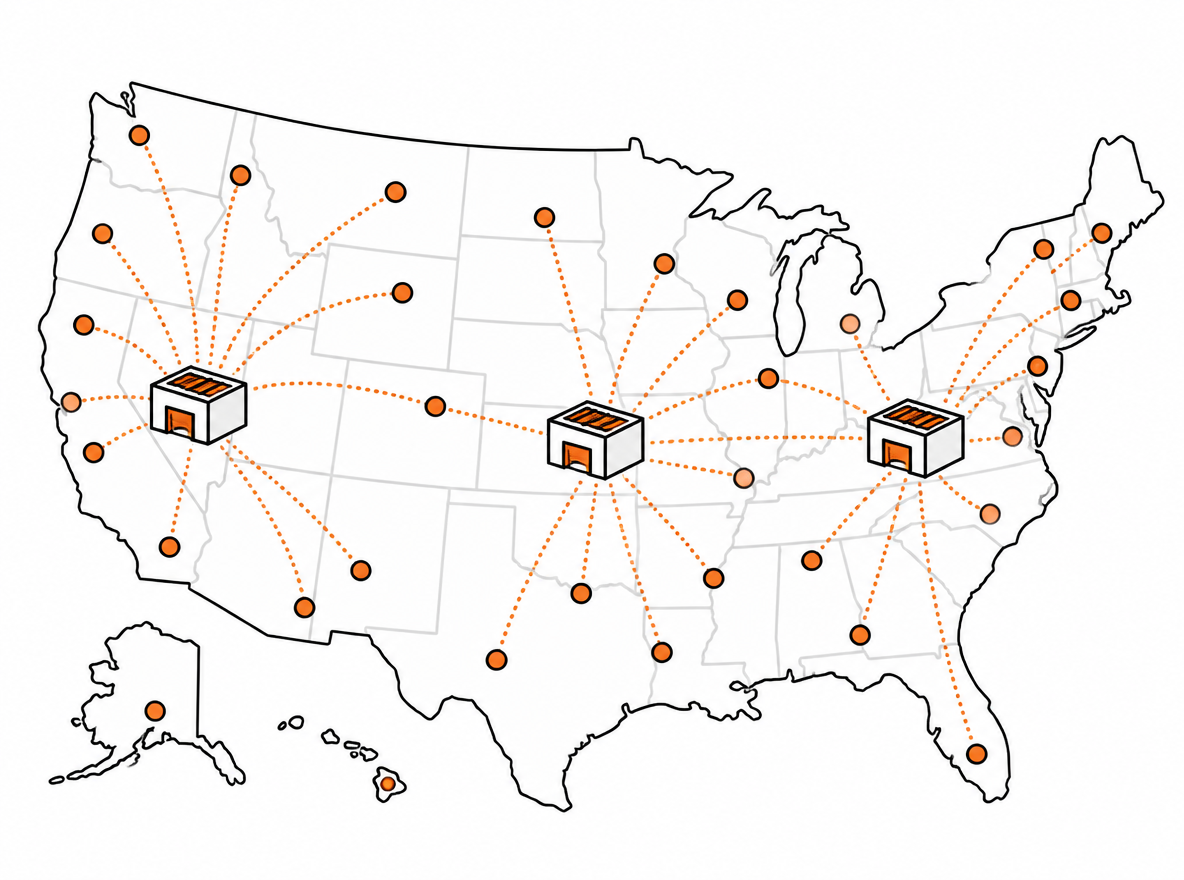
When a store grows from one warehouse to three, the routing logic usually does not grow with it. Most stores run on one of three default rules: ship from the nearest warehouse, ship from the default location, or ship from the first location that has stock. Each rule sounds reasonable, and each is easy to defend in a meeting. But each encodes a guess about the future: that proximity equals speed, that the default location will always hold the right inventory, that the first location with stock is also the cheapest and most reliable one. Those guesses fail more often than most teams notice, because a wrong routing decision rarely looks like a system failure. It looks like a slightly late delivery, a slightly higher bill, or an occasional split shipment nobody asked for.
When these rules break, they break in recognizable ways:
- The nearest warehouse has no suitable carrier service for the destination ZIP, so the order ships from farther away anyway, after an avoidable delay.
- The order lands at the warehouse after its cutoff, sits overnight, and misses the delivery promise it was sold at checkout.
- No single location has full availability, so the order is split into two parcels and the store pays twice for labels, packing, and handling.
- The warehouse has stock, but shipping this order pushes it below safety stock, and the store sells out for two weeks while replenishment crawls.
- The cheapest label wins, but the service cannot actually deliver inside the promised window, and the exception cost lands on customer support.
- The chosen origin has worse negotiated rates, less capacity, or cannot handle the item (fragile, hazmat, oversized), so the cheap label was never cheap and the "we can handle it" assumption was never checked.
- There is no fallback: when the primary origin or carrier fails, the order drops into a manual queue and the decision is made by whoever picks it up.
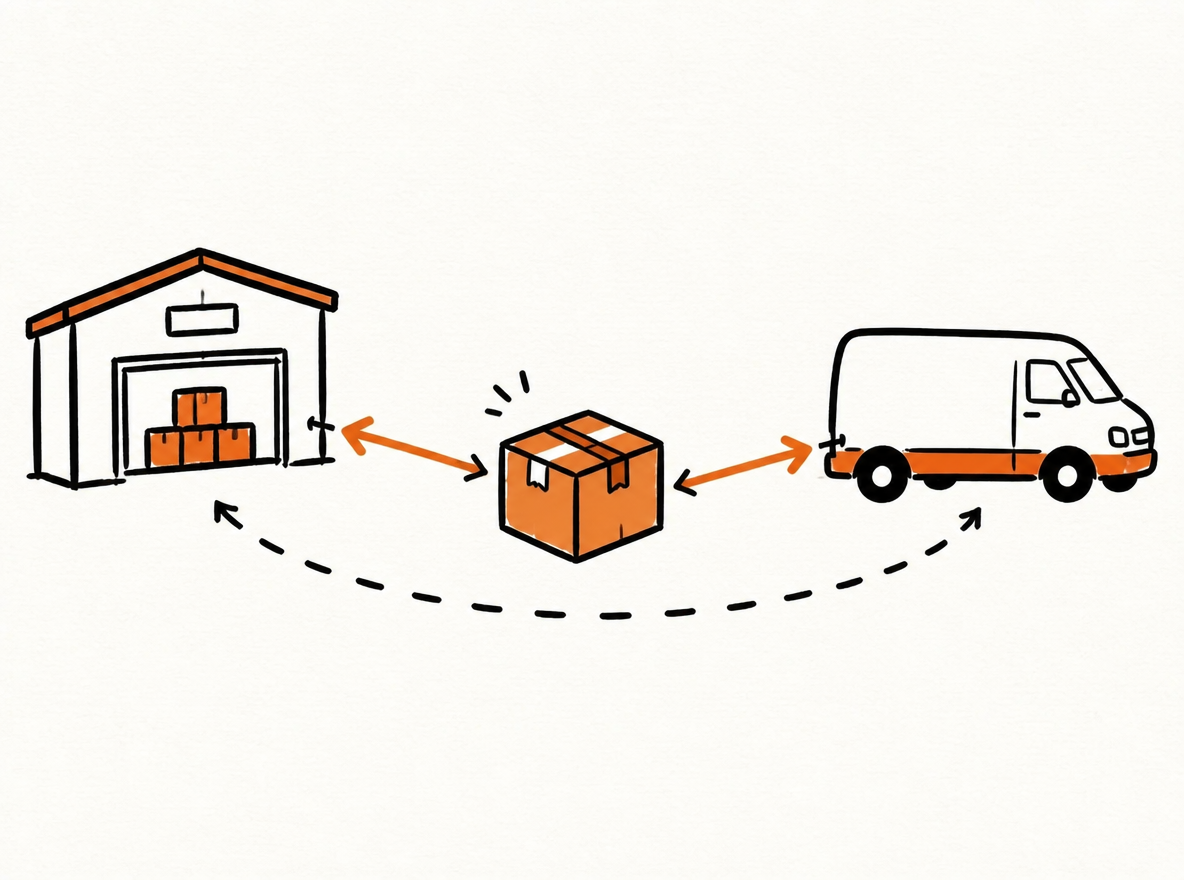
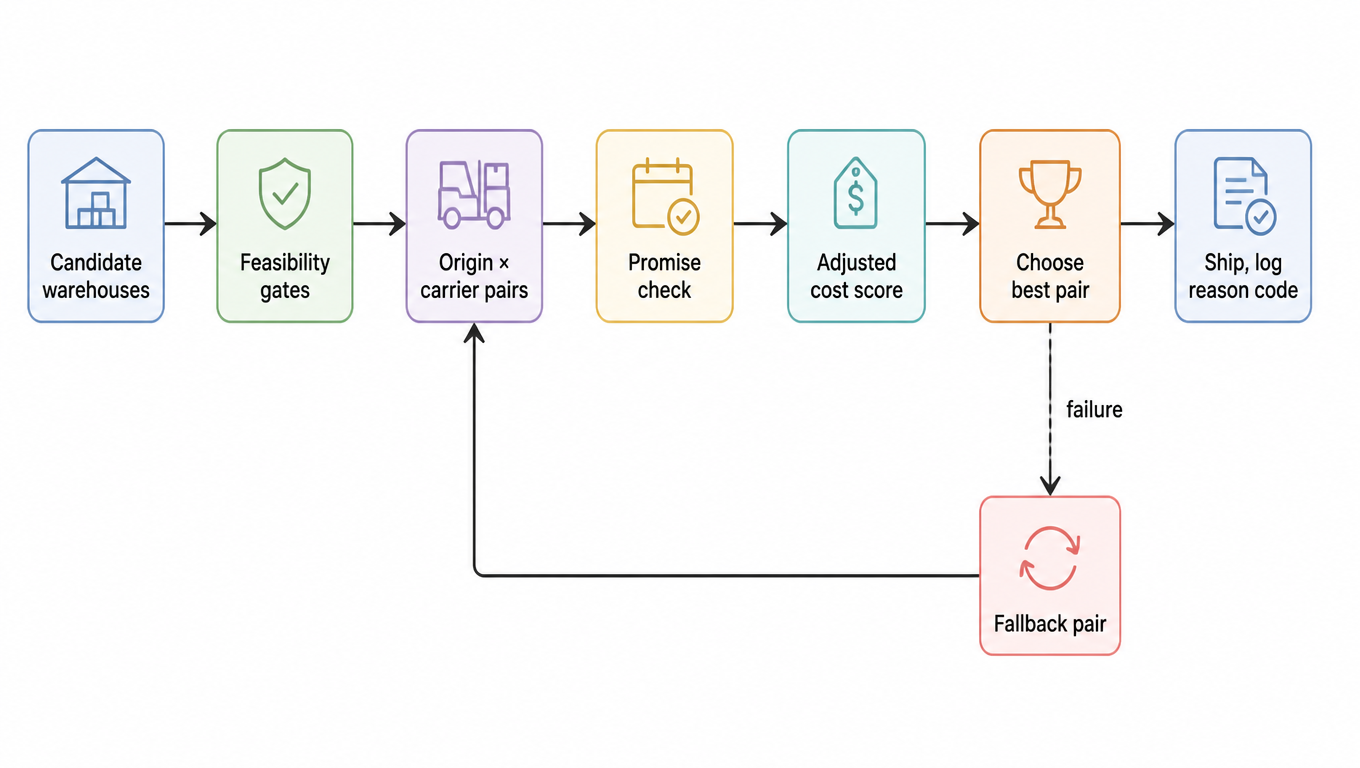
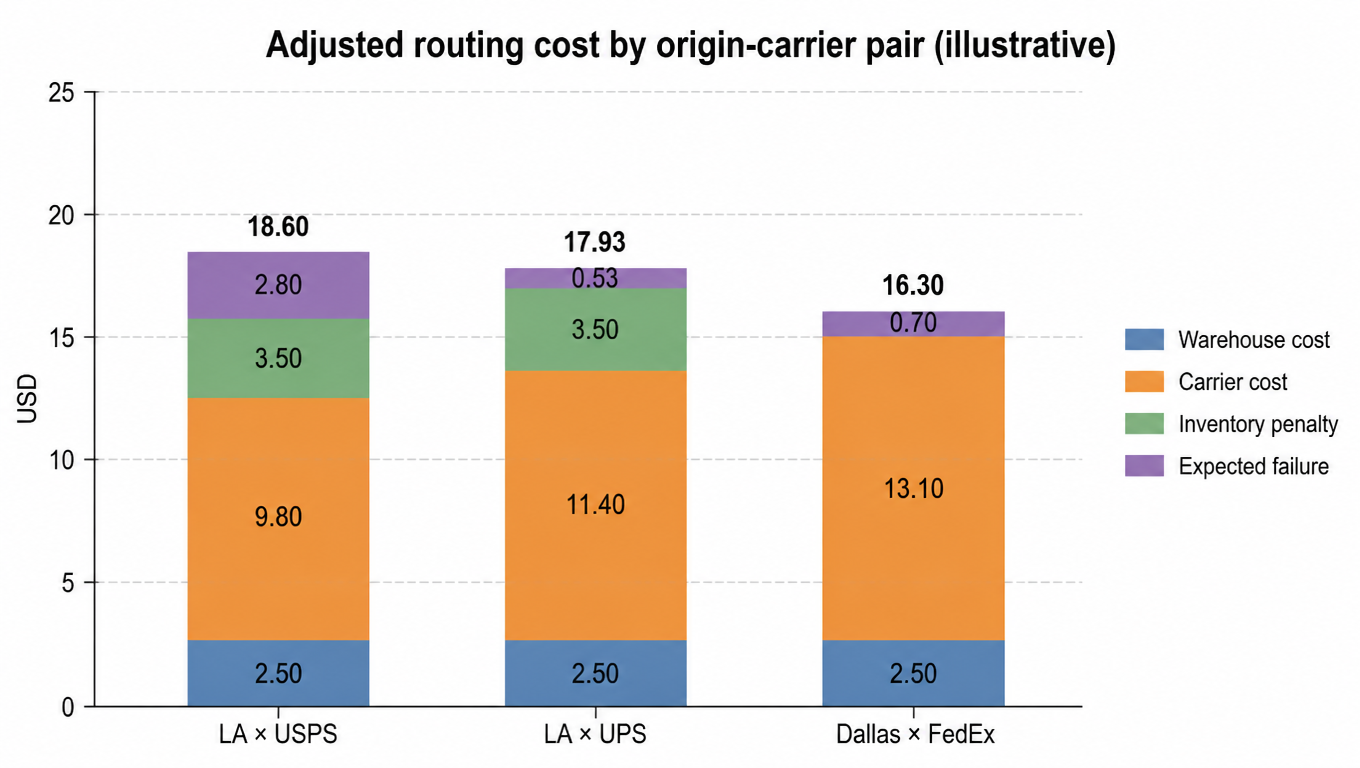
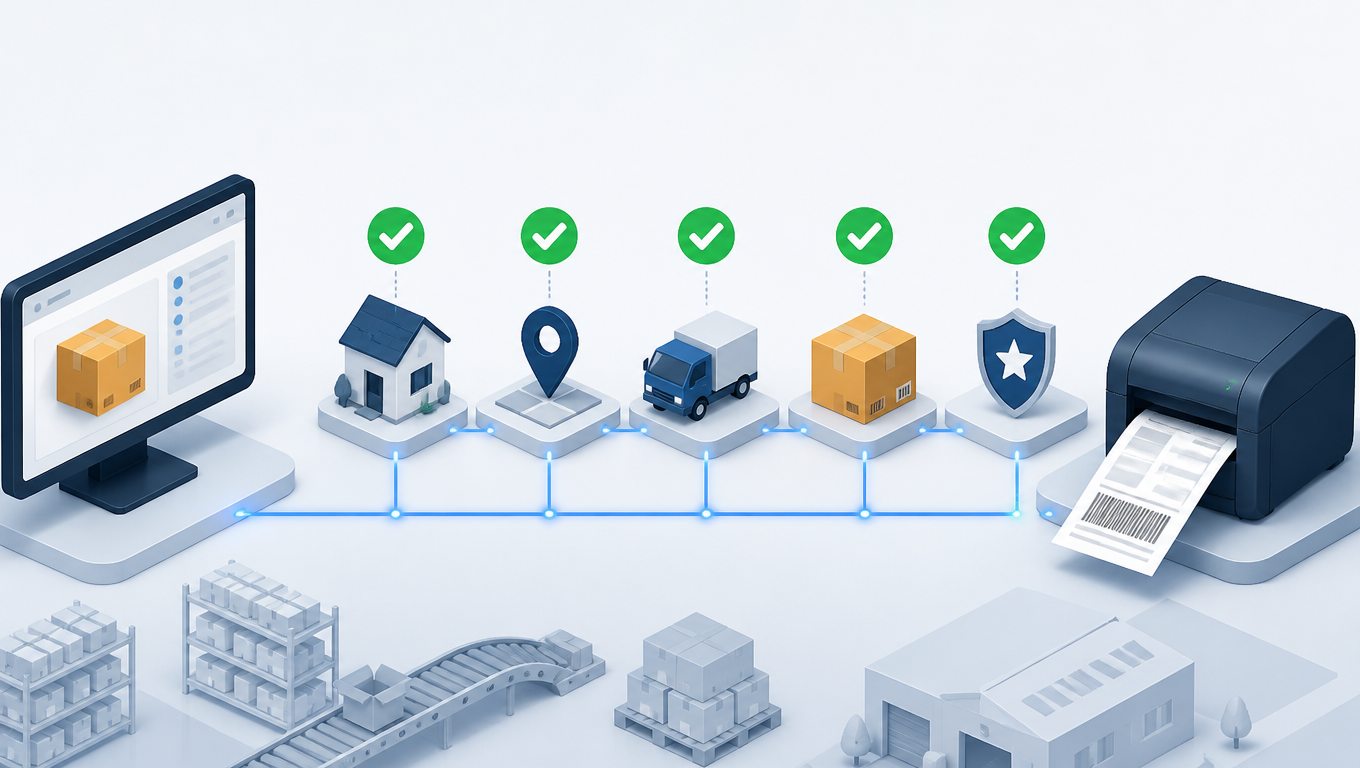
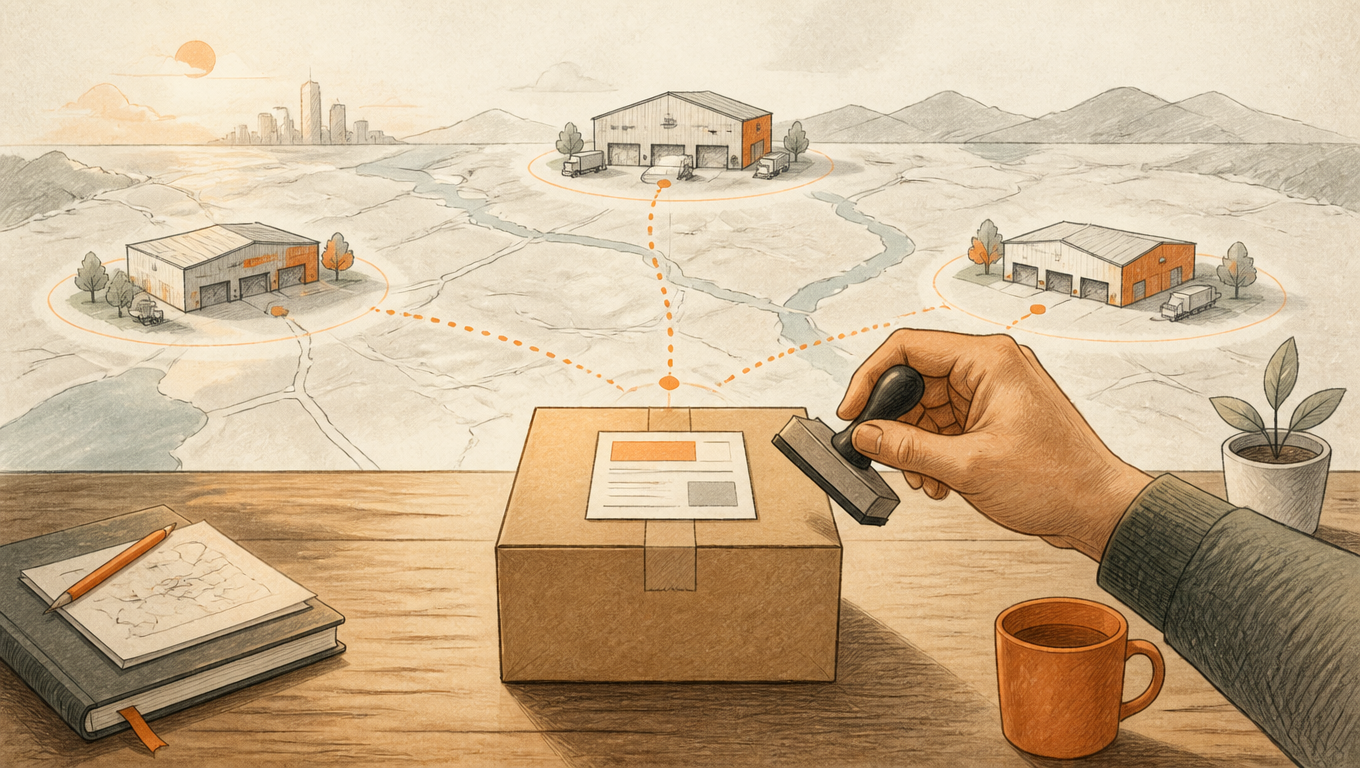
Routing is not a fulfillment detail. It is the point where cost and delivery promise meet. Every order is a small auction: the store has several warehouses, each with several carrier services, and exactly one combination should win. The problem is that most stores let the first combination that merely works win. For the strategic question of whether and how to split inventory at all, see our multi-warehouse strategy guide; this guide is about routing every order once the warehouses exist.