1. The 30-Second Answer for Busy Owners
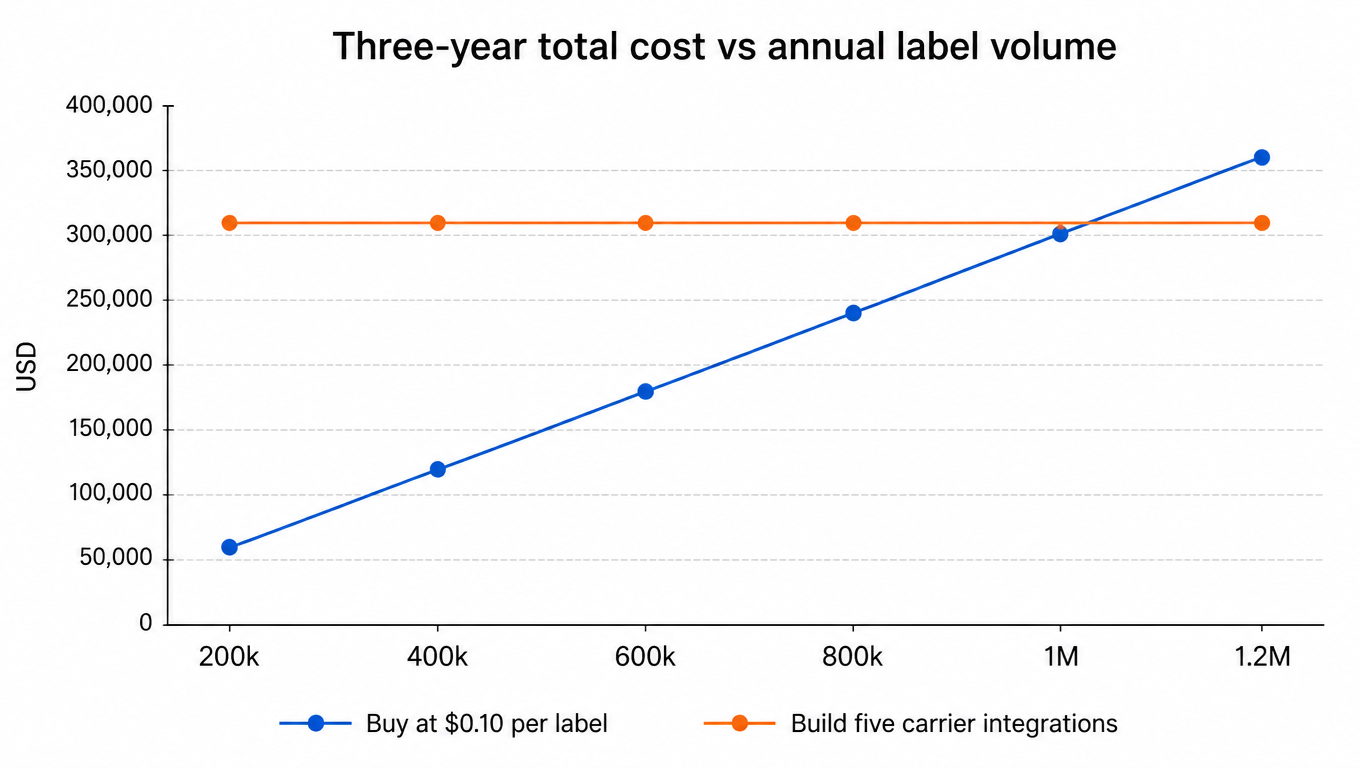
There is no universal answer, but there is a clear default: most 3PLs should buy, and a minority should build. The decision turns on three variables, and the whole article is just those three variables examined from different angles.
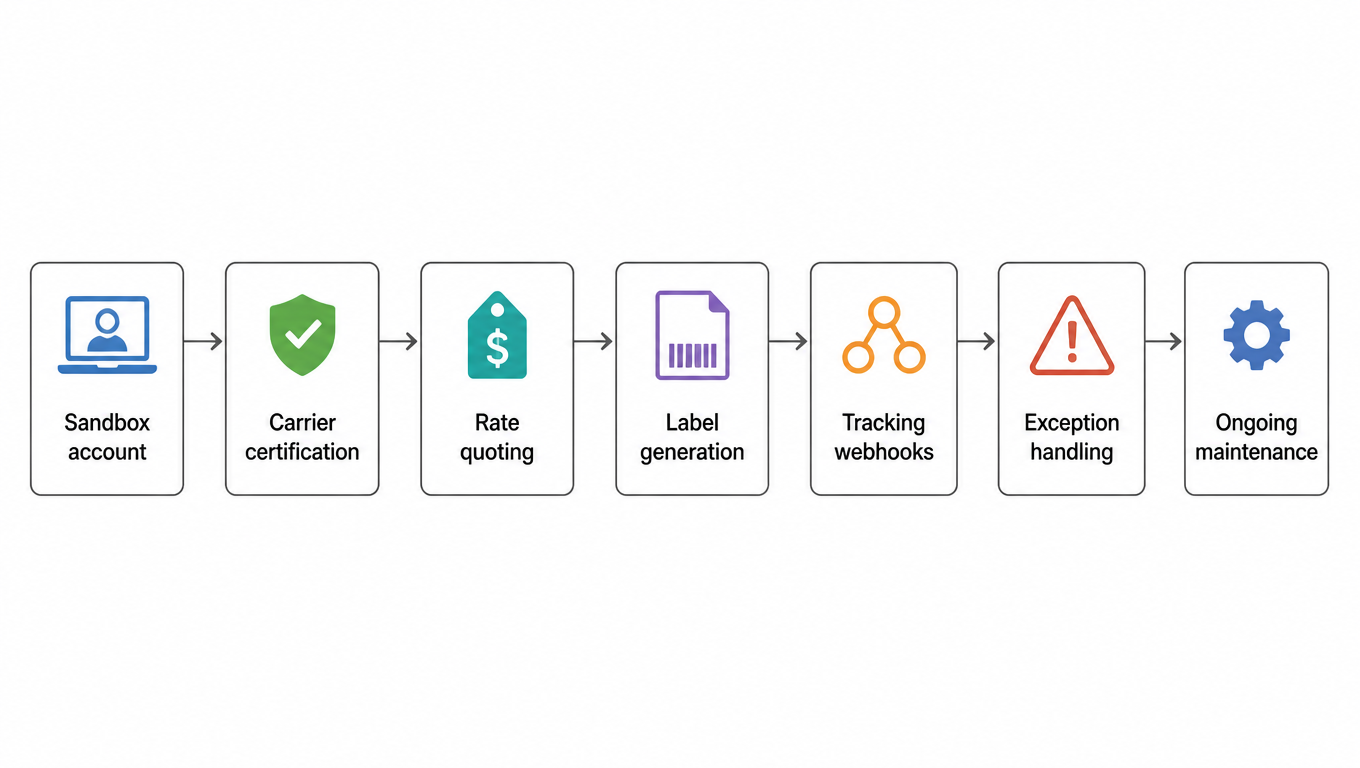
Use the Shipping API workflow overview to define the technical layer your team would own or buy. Continue to the 3PL API procurement guide when comparing the capabilities and acceptance evidence of specific vendors.
The first variable is how many carriers you actually ship with, and which ones. A 3PL shipping parcel ground through UPS, FedEx, and USPS has a very different problem from one that also routes through a dozen regional and last-mile networks. The second is whether you have an in-house development team that can own integration work for years, not months, because that is what a self-built integration demands. The third is how unique your workflows are compared to a typical warehouse: whether your label layouts, rules, and client integrations match what a ready-made product assumes.
If you ship with a handful of standard carriers, run fairly typical workflows, and do not have a dedicated engineering team, buying is almost always the cheaper and safer choice. If you ship huge volume, run genuinely unusual operations, or already employ integration engineers, building deserves a serious look. The decision framework at the end of this article lets you score yourself in five minutes instead of trusting a gut feeling.