The problem: friction is visible, cost is not
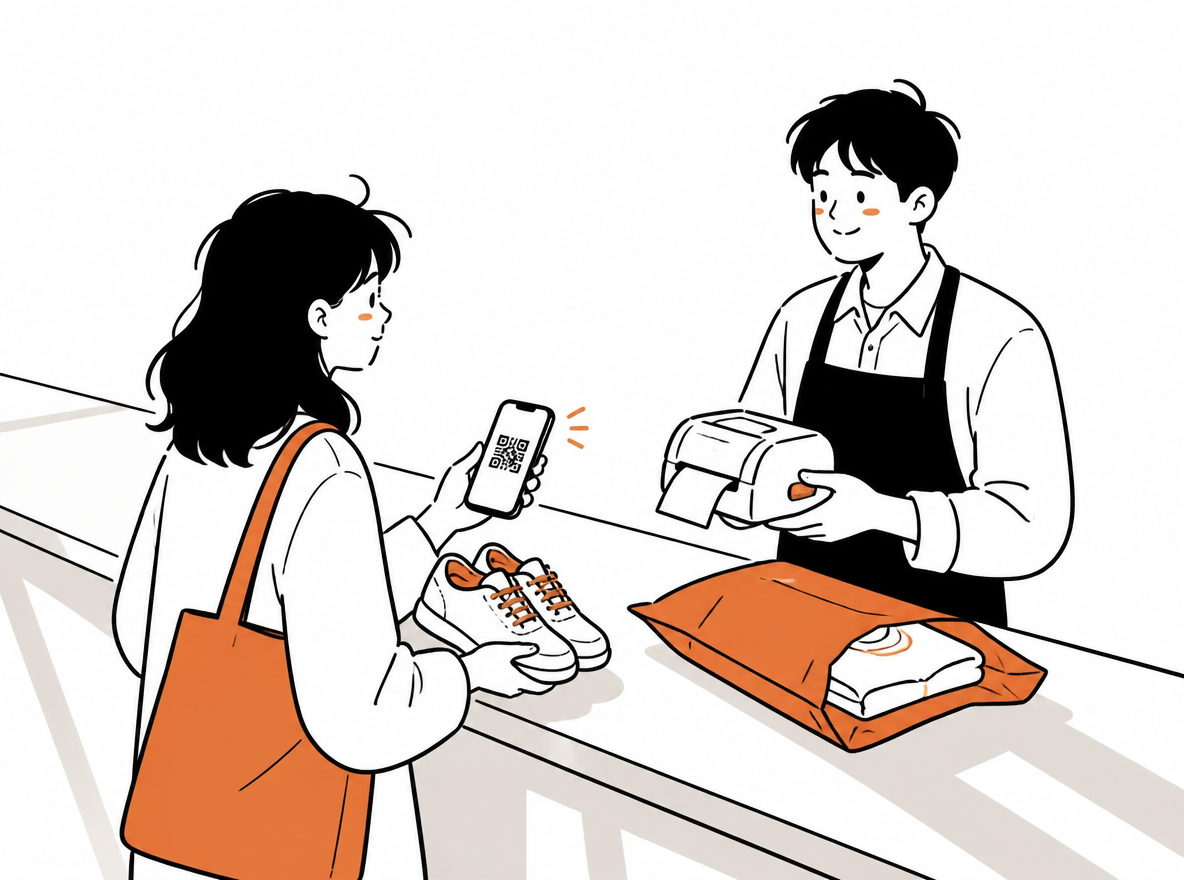
The three methods differ in exactly one thing the customer has to do. In the box-free method, the customer brings the loose item to a staffed location and the network supplies the packaging and the label. In the QR-code method, the customer scans a code, the location prints the label, and the customer still needs something to put the item in. In the mail-in method, the customer prints the label, provides the packaging, and hands the parcel to a carrier.
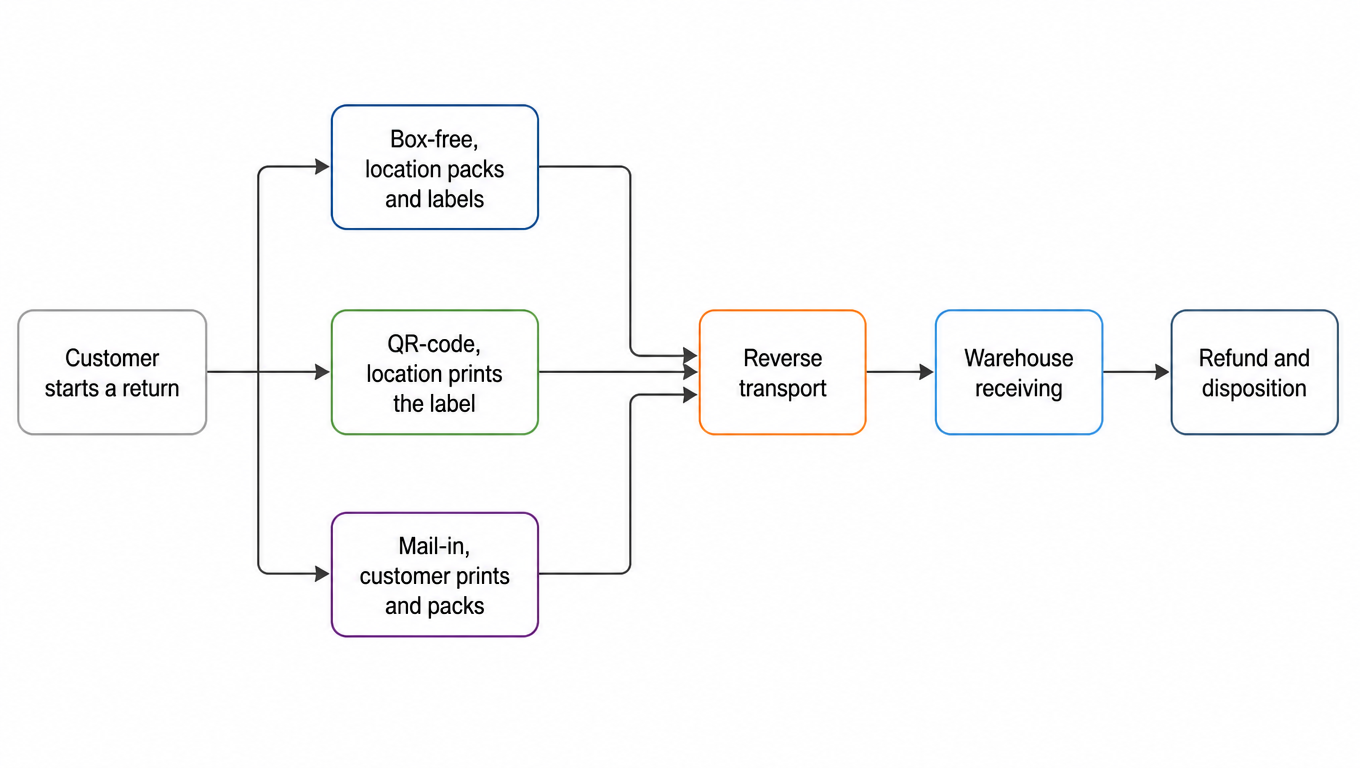
The network behind each method is a variable, not the classification itself. A third-party drop-off network, a carrier-owned network, and plain customer self-ship can each sit under one or more of the three methods, and the same method can be served by different network types in different regions.[^1] When a provider talks about its "network," ask which of these three customer actions is actually being removed, because that is the part that moves cost.
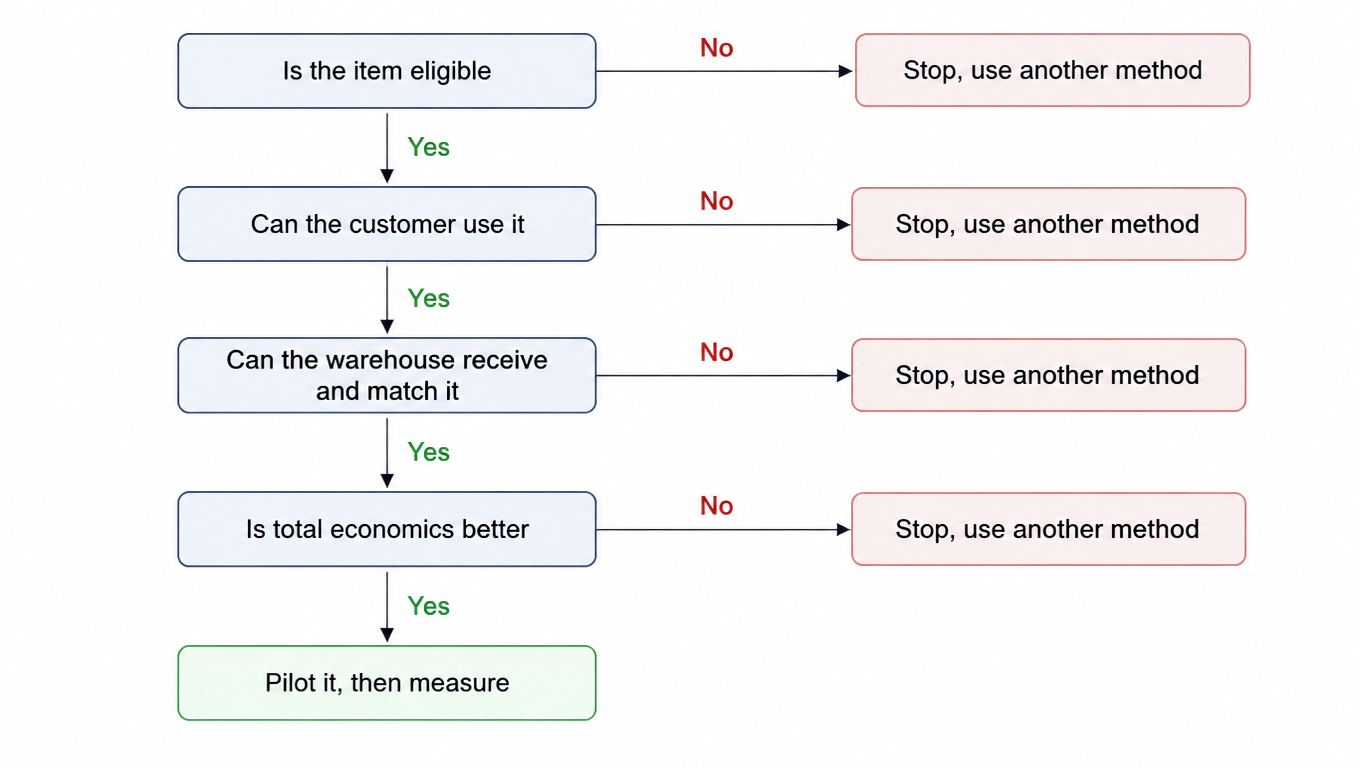
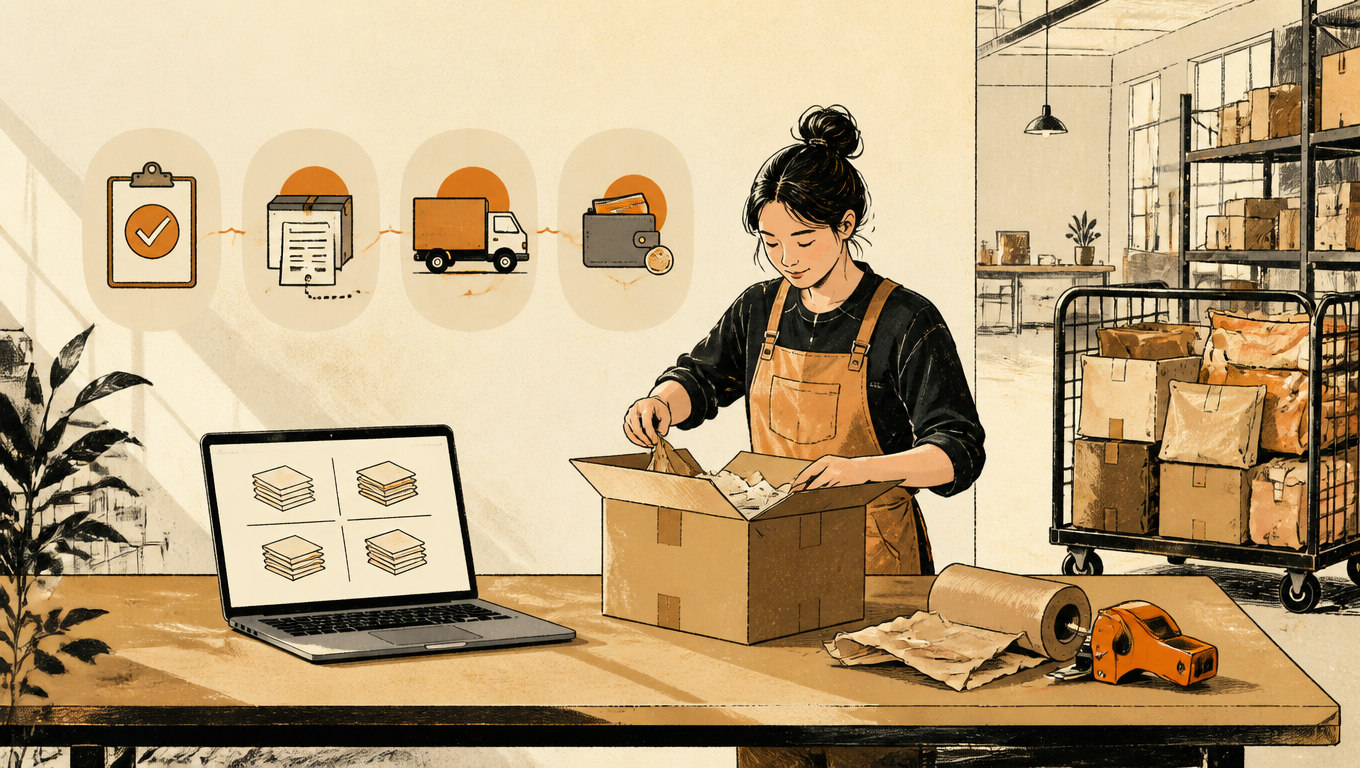
That is also why treating the three methods as three mutually exclusive options rarely produces a decision. The steadier path is to break the cost lines apart first, then decide the mix per item group and per customer geography.