物流指南Logistics Guide

为什么运费这么贵?10 个最常见的原因(以及怎么修)Why Is My Shipping Cost So High? 10 Common Reasons (And How to Fix Them)

你的运费账单写着 14.5 美元,包裹实际重量 2 磅。从报价到账单,数字翻了一倍,而你根本看不出钱花在了哪里。这很正常,也可以修。多数卖家只比较基础费率就停了,但一票美国境内包裹的最终价格,是由十几个小决定共同决定的:箱子尺寸、承运商选择、目的地分区、服务等级、谈判折扣,还有一堆永远不会出现在报价头条里的附加费。运费很少是单一问题,它是一堆小漏洞叠在一起。这篇文章讲最常见的十个。Your shipping bill says $14.50. The package weighed 2 pounds. Somewhere between the quote and the invoice the number doubled, and you can't see why. That's normal, and it's fixable. Most sellers compare base rates and stop there, but the final price of a domestic shipment is decided by a dozen smaller decisions: box size, carrier choice, destination zone, service level, negotiated discounts, and a pile of surcharges that never appear in a headline quote. Shipping cost is rarely one problem. It's a stack of small leaks, and this article covers the ten most common ones.

好消息是:找到你最大的漏点,大约只需要两分钟。The good news: you can find your biggest leaks in about two minutes.

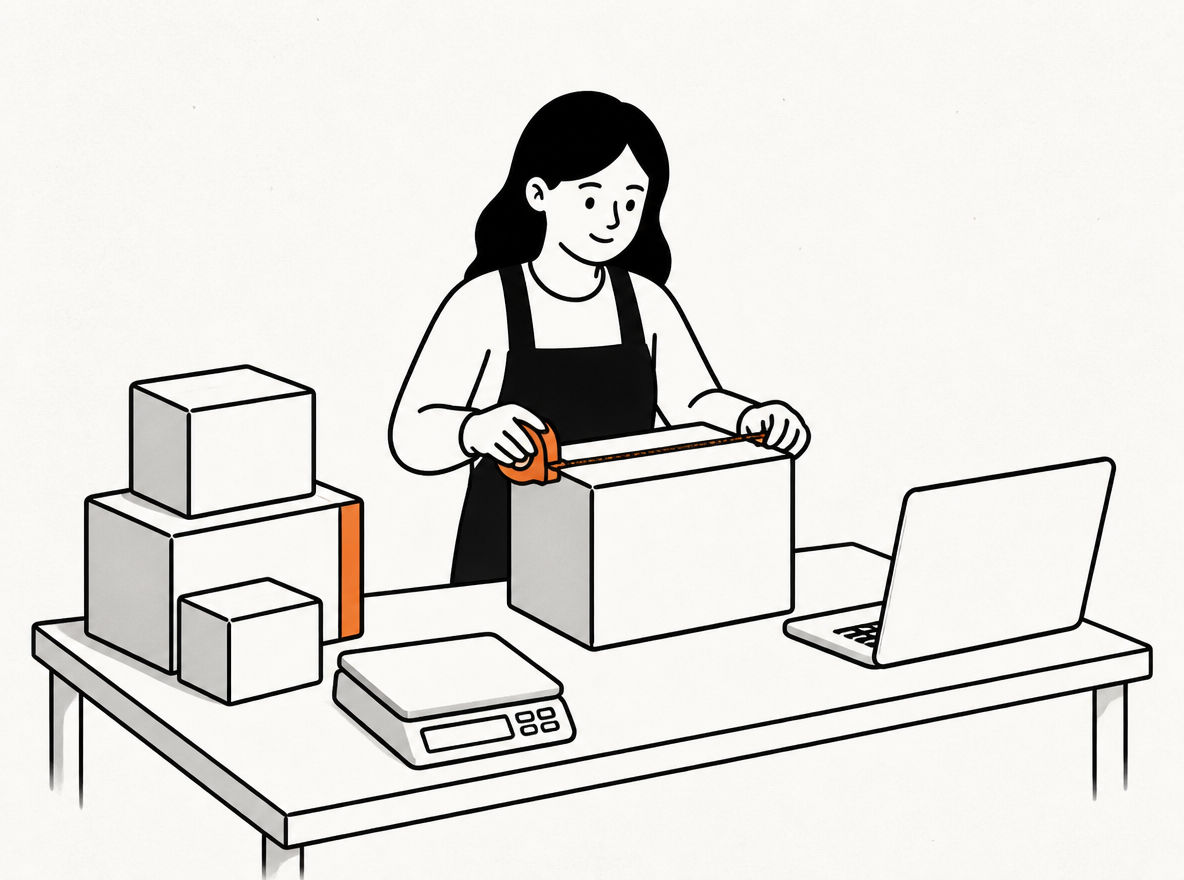
电商打包台:电子秤正在称一件体积大但很轻的包裹,旁边是大小不一的纸箱与打印好的面单
运费贵的根源,往往不是单价,而是十几个小决定叠加出来的High shipping cost is rarely one problem; it is a dozen small decisions stacked together

诊断你的运费:从这两步开始Diagnose Your Shipping Cost: Start With These Two Steps

第一步:查你的计费重量。先确认是不是体积重把运费抬高了。体积重量计算器Step 1: Check your chargeable weight. Find out whether DIM weight is increasing your shipping cost. Dimensional Weight Calculator

第二步:对比实际运费。再按包裹和目的地,对比不同承运商和服务的真实报价。运费计算器Step 2: Compare actual shipping rates. Compare shipping options based on package and destination. Shipping Rate Calculator

整个诊断就是一条问题链:为什么运费这么贵?→ 包裹是不是太大了?→ 体积重量计算器 → 这票货实际要花多少?→ 运费计算器 → 能不能通过换承运商、换服务、换箱型或换仓库位置,把成本降下来?The whole diagnostic runs on one question chain: Why is shipping expensive? → Is the package too large? → Dimensional Weight Calculator → What would this shipment actually cost? → Shipping Rate Calculator → Can I reduce the cost by changing carrier, service, box, or fulfillment location?

大多数卖家把这两步跑完,还没读完文章就找到了答案。下面十节按真实发货数据里每个漏点的出现频率排序,逐一展开。Most sellers who run these two steps find the answer before they finish the article. The ten sections below go through the full list, ranked by how often we see each leak in real shipping data.

1. 你的包裹按体积重计费1. Your Package Is Being Charged by Dimensional Weight

这是最常见的原因,也是最隐蔽的一个。承运商很多年前就不再按纯物理重量给境内包裹计费了,现在按体积重(DIM weight)收钱,也就是你的包裹在卡车上占的空间,而不是它实际有多重。This is the most common reason, and also the most invisible. Carriers stopped billing domestic parcels by physical weight alone years ago. They now charge by dimensional weight (DIM weight), which is the space your package occupies in the truck, not what it weighs.

算法:量出长 × 宽 × 高(英寸),除以承运商的体积重除数(UPS 和 FedEx 境内地面是 139,USPS 超过 1 立方英尺的包裹是 166),四舍五入到整数磅。承运商按实际重量和体积重中较大的那个计费。The math: measure length × width × height in inches, divide by the carrier's dim divisor (139 for UPS and FedEx domestic ground, 166 for USPS packages over one cubic foot), and round up to the nearest pound. The carrier bills whichever is greater: actual weight or DIM weight.

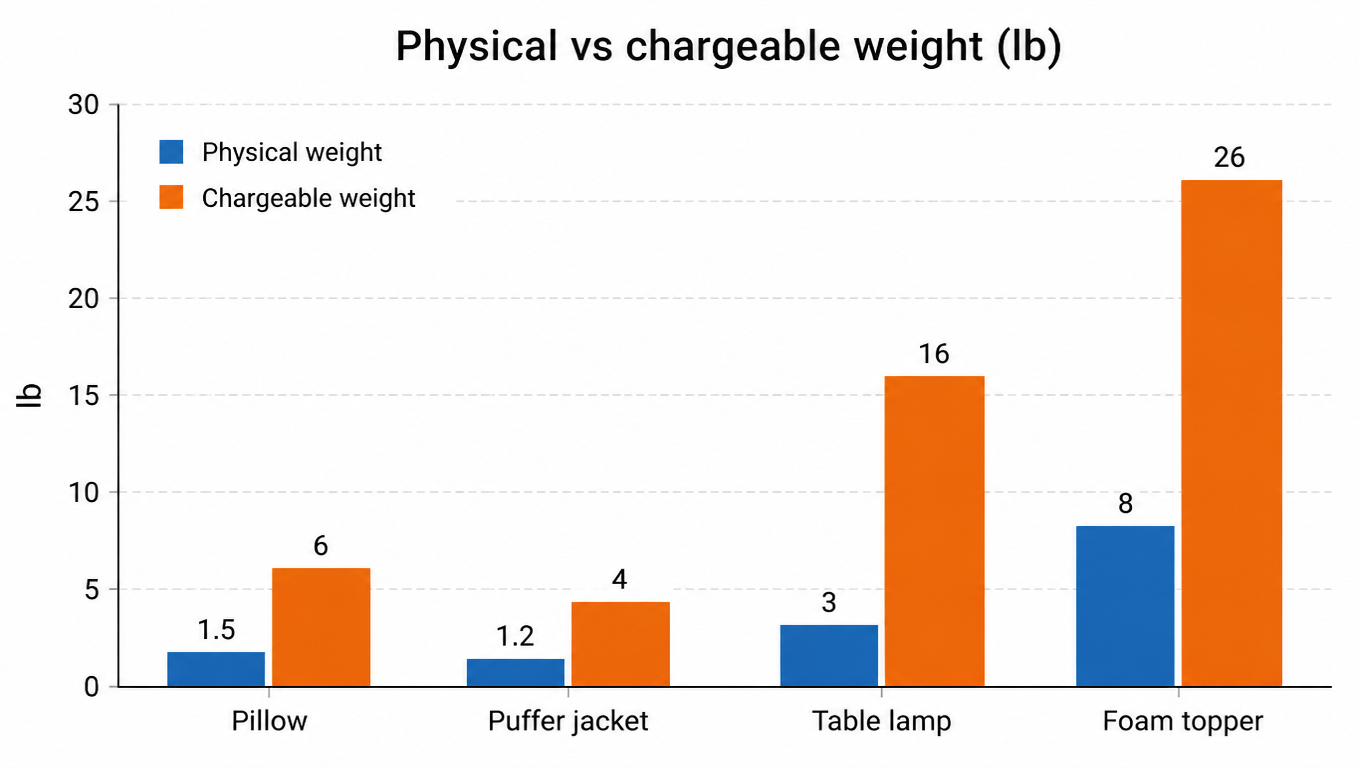
这对真实商品意味着什么:一只 1.5 磅的枕头装在 12 × 16 × 4 英寸的箱子里,按 6 磅计费;一件 1.2 磅的羽绒服装在 12 × 10 × 4 英寸的箱子里,按 4 磅计费;一盏 3 磅的台灯装在 18 × 12 × 10 英寸的箱子里,按 16 磅计费;一张 8 磅的泡沫床垫垫层装在 30 × 20 × 6 英寸的箱子里,按 26 磅计费。Here's what that means for real products. A 1.5 lb pillow in a 12 × 16 × 4 in box bills at 6 lb. A 1.2 lb puffer jacket in a 12 × 10 × 4 in box bills at 4 lb. A 3 lb table lamp in an 18 × 12 × 10 in box bills at 16 lb. An 8 lb foam mattress topper in a 30 × 20 × 6 in box bills at 26 lb.

柱状图:枕头、羽绒服、台灯、泡沫床垫四件商品的实物重量与计费重量对比,计费重量远高于实物重量Bar chart: physical vs chargeable weight for a pillow, puffer jacket, table lamp, and foam topper; chargeable weight far exceeds physical weight
实物重量 vs 计费重量(磅)Physical vs chargeable weight (lb)

卖家为什么总是低估这个问题?因为他们称的是商品而不是包裹,而且几乎从不看账单上印的计费重量。箱子放在秤上显示 2 磅,所以 8 美元听起来合理。承运商量了箱子,按 12 磅计费。轻泡货是经典的受害者:枕头、床上用品、服装、泡沫制品、家居摆件,一切「主要是空气、却需要大箱子」的商品。Why do sellers underestimate this? Because they weigh the item, not the package, and they almost never check the billable weight printed on the invoice. The box sits on the scale at 2 lb, so $8 sounds right. The carrier measured the box and billed 12 lb. Light-and-bulky goods are the classic victims: pillows, bedding, clothing, foam products, home decor, anything that's mostly air but needs a big box.

如果你的包裹看着很轻、账单却贵得离谱,先查是不是体积重在作怪。计算你的体积重If your package looks light but costs much more than expected, check whether dimensional weight is the reason. Calculate your DIM weight.

2. 你的箱子比实际需要的更大2. Your Box Is Larger Than It Needs to Be

体积重说的是商品本身蓬松。这一条说的是箱子浪费。不同的问题,同一张账单。DIM weight is about the item being bulky. This one is about the box being wasteful. Different problem, same bill.

常见原因:商品只占箱子一半空间,剩下全是气泡膜和填充纸;所有 SKU 都用同一种统一尺寸的箱子,因为没人按 SKU 配箱;箱型设计本身不合理,比如该用扁长矩形却用了正方体。Common causes: the product fills half the box and the rest is bubble wrap and paper; every SKU ships in the same uniform box because nobody sized it up; the box design itself is inefficient, like a cube when a flat rectangle would do.

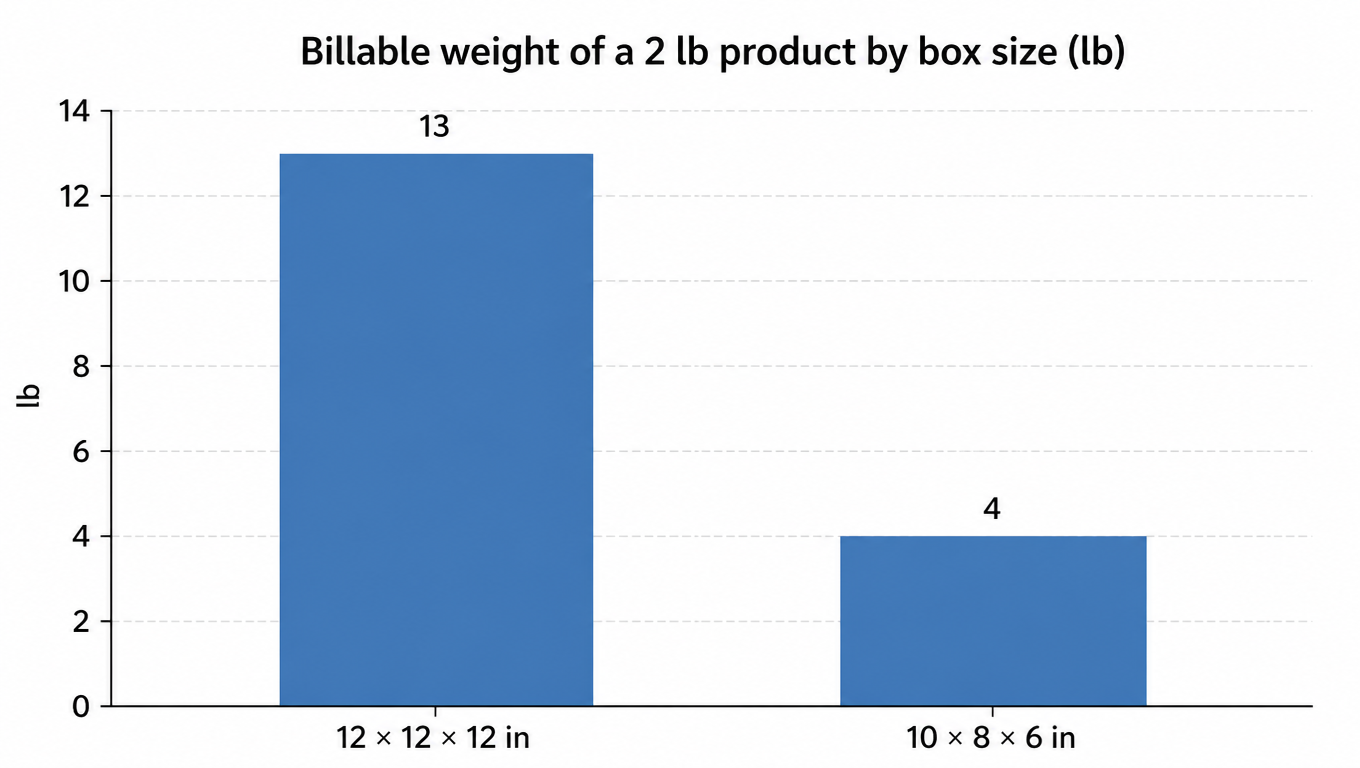
数学结果会很夸张。同一个 2 磅商品,装两种箱子:The math gets dramatic fast. Take the same 2 lb product in two boxes:

  • 12 × 12 × 12 英寸:1728 立方英寸 ÷ 139 = 12.4 磅,按 13 磅计费12 × 12 × 12 in: 1,728 in³ ÷ 139 = 12.4 lb, billed at 13 lb
  • 10 × 8 × 6 英寸:480 立方英寸 ÷ 139 = 3.5 磅,按 4 磅计费10 × 8 × 6 in: 480 in³ ÷ 139 = 3.5 lb, billed at 4 lb

同样的商品、同样的承运商、同样的目的地:计费重量差了 9 磅。按典型费率大约每磅一美元算,这一个改动就能在每一单上省下好几美元。Same product, same carrier, same destination: a 9 lb difference in what you're billed. At typical rates that's roughly a dollar per pound, so this single change can cut several dollars off every order.

柱状图:同一 2 磅商品,12×12×12 英寸箱按 13 磅计费,10×8×6 英寸箱按 4 磅计费Bar chart: the same 2 lb product bills at 13 lb in a 12×12×12 in box and 4 lb in a 10×8×6 in box
2 磅商品按箱型计算的计费重量(磅)Billable weight of a 2 lb product by box size (lb)

解决方式很朴素但有效:按 SKU 做 right-size 包装,备两三种箱子规格而不是一种;适合的商品改用聚乙烯快递袋(1 磅的 T 恤装进 12 × 12 × 12 英寸的箱子实在离谱);在发货软件里设置 cartonization 规则,让系统自动挑选能装下该订单的最小箱子。任何箱子在投入使用前,都可以先用体积重量计算器验一遍。The fixes are boring and they work: right-size your packaging per SKU, stock two or three box sizes instead of one, switch suitable products to poly mailers (a 1 lb shirt in a 12 × 12 × 12 in box is absurd), and set cartonization rules in your shipping software so the system picks the smallest box that fits the order. You can sanity-check any box with the Dimensional Weight Calculator before committing to it.

3. 你用错了承运商3. You're Using the Wrong Carrier

多数卖家习惯性默认 UPS、FedEx 或 USPS,然后假设价格就是价格。但没有哪一家承运商对每个包裹都最便宜。某票货的最优选择取决于重量、尺寸、始发地、目的地和服务等级,而且一直在变。Most sellers default to UPS, FedEx, or USPS out of habit, then assume the price is the price. But no single carrier is cheapest for every package. The cheapest option for a given shipment depends on weight, dimensions, origin, destination, and service level, and it changes constantly.

规律大致如此:轻小件往往 USPS 更便宜;某些区域,只做本地网络的区域承运商能便宜一大截;重货又是另一套定价逻辑,地面大网通常胜出。再加上住宅附加费和分区差异,光是包裹画像就能把「最便宜承运商」翻转过来。The patterns: light small parcels are often cheaper with USPS. Certain regions are dramatically cheaper with regional carriers that only operate locally. Heavy packages follow a completely different pricing logic, where ground carriers usually win. Add residential surcharges and zone differences, and the package profile alone can flip the cheapest carrier.

最便宜的承运商会随着重量、尺寸、始发地、目的地和服务等级而改变。对比运费The cheapest carrier can change based on weight, dimensions, origin, destination, and service level. Compare shipping rates.

如果你已经好几个月没对比过承运商,你几乎肯定在多付钱。费率会变,适合你包裹组合的最佳承运商也会跟着变。If you haven't compared carriers in the last few months, you're almost certainly overpaying. Rates change, and the best carrier for your mix changes with them.

4. 你发得太远4. You're Shipping Too Far

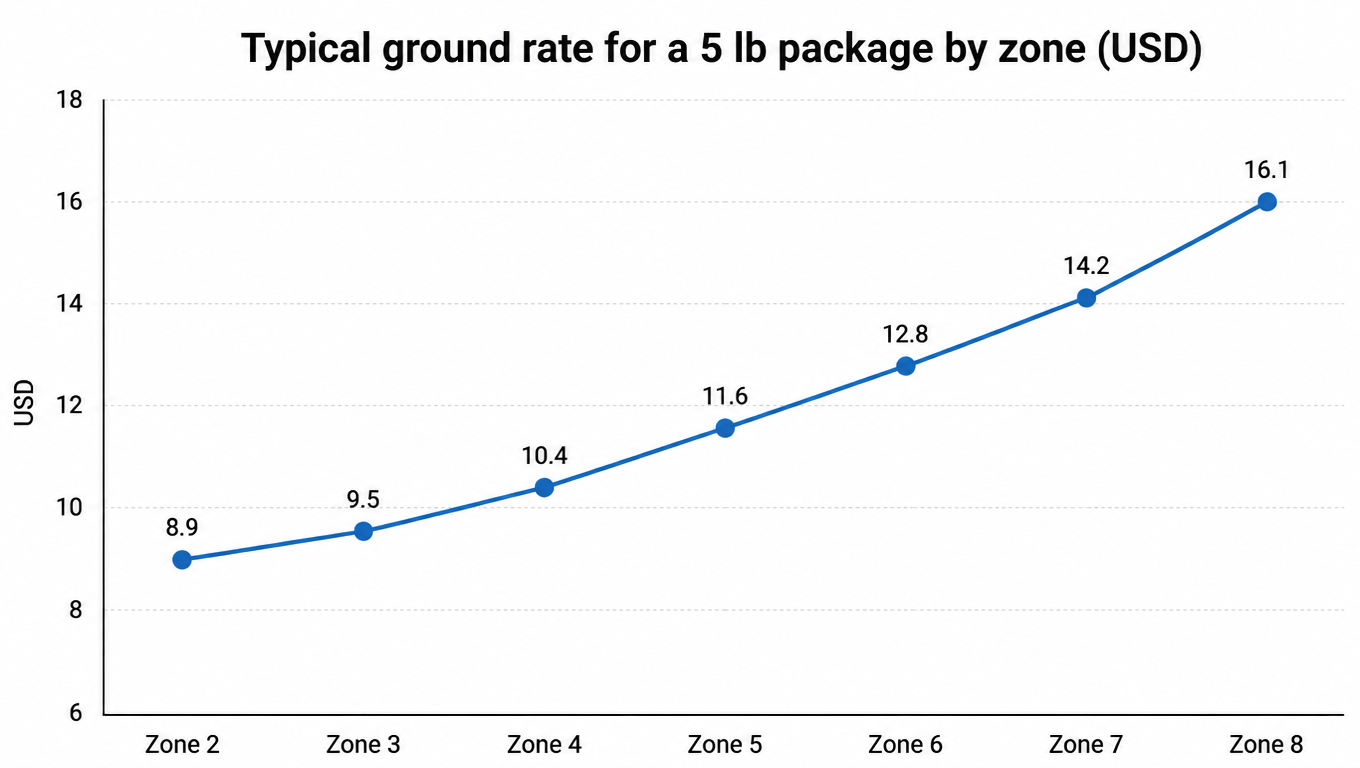
卖家盯重量盯得很紧,却完全忽略距离。但境内地面费率是建立在分区上的:包裹走得越远,你付得越多。同一个箱子,分区 2 和分区 8 的运费可能差出将近一倍。Sellers watch weight obsessively and ignore distance. But domestic ground rates are built on zones: the farther the package travels, the more you pay. A Zone 2 shipment and a Zone 8 shipment of the same box can differ by almost double.

一个 5 磅包裹的典型公开地面费率,从分区 2 的大约 8.9 美元一路爬到分区 8 的大约 16 美元,分区 4 约 10 美元,分区 6 约 13 美元。如果你的客户分布在全国,而库存只在一个仓库,那么很大比例的订单都在付长途价。Typical published ground rates for a 5 lb package climb from about $8.90 in Zone 2 to about $16 in Zone 8, passing roughly $10 in Zone 4 and $13 in Zone 6. If your customers are spread across the country and your inventory sits in one warehouse, a large share of your orders are paying long-haul prices.

折线图:5 磅包裹的地面运费随分区上升,从分区 2 的约 8.9 美元上升到分区 8 的约 16.1 美元Line chart: ground rate for a 5 lb package by zone, climbing from about USD 8.90 in Zone 2 to about USD 16.10 in Zone 8
5 磅包裹各分区典型地面运费(美元)Typical ground rate for a 5 lb package by zone (USD)

所以履约位置和承运商选择一样重要。可选项:把货放到离客户更近的履约中心发;把库存拆到两个或更多仓库;在高量线路上做 zone skipping;或者围绕真实需求所在地构建区域履约策略。That's why fulfillment location matters as much as carrier choice. Options: ship from a fulfillment center closer to your customers, split inventory across two or more warehouses, use zone skipping on high-volume lanes, or build a regional fulfillment strategy around where demand actually is.

你可以直接在运费计算器里试:包裹完全不变,只改目的地的邮编,看费率怎么动。这一个实验比任何文章都更能教会你分区经济学。Try it in the Shipping Rate Calculator: keep the package exactly the same, change only the destination ZIP, and watch the rate move. That one experiment teaches zone economics faster than any article.

5. 你付的是零售价或没谈过的价5. You're Paying Retail or Poorly Negotiated Rates

很多小卖家不知道的一件事:承运商官网上印的费率是起点,不是价格。同样的货,承运商按零售价、商业价、谈判价、平台折扣价四套体系卖,价差相当大。Here's something many small sellers don't realize: the rate printed on the carrier's website is a starting point, not the price. Carriers sell the same shipment at retail rates, commercial rates, negotiated rates, and platform-discounted rates, and the spread between them is large.

零售价是消费者在柜台付的价格。商业价是通过承运商账户或发货平台拿到的价格,通常低不少。谈判价和平台折扣更进一层,因为它们建立在你不必自己拥有的货量之上。Retail rates are what a consumer pays at the counter. Commercial rates are what businesses get through a carrier account or shipping platform, and they're often significantly lower. Negotiated rates and platform discounts go further still, because they're built on volume you don't need to have yourself.

解决办法:开商业账户;通过聚合货量的发货平台或发货软件采购;货量上来之后去谈折扣;或者走一家自带承运商合约的 3PL。The fixes: open commercial accounts, buy through an aggregation platform or shipping software that pools volume, negotiate discounts as your volume grows, or ship through a 3PL with its own carrier contracts.

在改包装之前,先确认你不是单纯为同一票货付了太多钱。把数据丢进运费计算器,看看同一包裹在不同费率体系下分别多少钱。对很多卖家来说,这是单票省得最快的一项,因为它不需要任何运营改动。Before changing your packaging, first make sure you're not simply paying too much for the same shipment. Run the numbers through the Shipping Rate Calculator and see what the same package costs under different rate structures. For many sellers this is the fastest dollar saved per order, because it requires zero operational change.

6. 附加费在抬高最终价格6. Surcharges Are Increasing the Final Cost

基础费率是你拿来比较的,附加费是你实际要付的。每家承运商都会在公开费率之上叠加一堆费用,加起来每票能多出好几美元。The base rate is what you compare. The surcharges are what you pay. Every carrier layers fees on top of the published rate, and they can add several dollars per package.

常见嫌疑:住宅派送费、派送区域附加费、超大件费、额外处理费、旺季或需求附加费、地址更正费、危险品费、体积/非常规包装费。一个因为太长、太重或包装不规范而被标记为额外处理的包裹,光这一项附加费就能上两位数。The usual suspects: residential surcharges, delivery area surcharges, oversized package fees, additional handling, peak or demand surcharges, address correction, hazardous materials fees, and dimensional or nonstandard fees. A package flagged for additional handling, because it's too long, too heavy, or poorly wrapped, can carry a double-digit surcharge on its own.

核心观点:运费价格 ≠ 基础运输费率。比价的时候要比含附加费的最终预估,而不是头条数字。这个概念以后的文章还会反复出现,因为附加费正是那么多「更便宜」的报价其实并不便宜的原因。The core point: shipping price ≠ base transportation rate. When you compare quotes, compare the final estimated cost including surcharges, not the headline number. This concept will come back in later articles, because surcharges are the reason so many "cheaper" quotes aren't actually cheaper.

7. 你用的服务比实际需要的更快7. You're Using a Faster Service Than You Actually Need

选服务等级,习惯和逻辑一样重要。Priority、2 日达、次日达:很多卖家在为自己兑现不了、或者客户根本没要求过的速度买单。Habit picks the service as much as logic does. Priority, 2-day, express: many sellers buy speed they never deliver on, or that customers never asked for.

两件事要分清:面单上的投递承诺,和客户真实抱有的预期。免邮不代表最快。付了标准运费、只要追踪正常、时效预估诚实,客户通常很乐意接受几天的地面运输。Two facts to keep separate: the delivery promise on the label, and the expectation your customers actually have. Free shipping doesn't mean fastest shipping. A customer who pays for standard shipping is usually happy with a few days of ground transit, as long as tracking works and the estimate is honest.

地面服务往往完全够用,同一包裹比加急方案便宜好几美元。解决办法是建立服务等级规则:默认大多数订单走能满足投递承诺的最便宜服务,只为高价值 SKU、VIP 客户或客户明确付费的加急选项升级。用运费计算器看看同一票货地面和 2 日达差多少,看到差额,习惯就很容易改掉。Ground services are often completely sufficient, and they can be several dollars cheaper than the expedited alternative on the same package. The fix is to build service-level rules: default most orders to the cheapest service that meets your delivery promise, and upgrade only for high-value SKUs, VIP customers, or checkout options where the customer explicitly pays for speed. Use the Shipping Rate Calculator to see the spread between ground and 2-day for a typical order; once you see the delta, the habit is easy to break.

8. 你的发货规则太简单8. Your Shipping Rules Are Too Simple

很多店铺的发货规则长这样:重量小于 5 磅走 USPS,否则走 UPS。它很简单,也几乎每天都在漏钱。A lot of stores ship with a rule that looks like this: if weight is under 5 lb, use USPS; otherwise use UPS. It's simple, and it leaves money on the table almost every day.

真正的决策有更多输入:重量、尺寸、目的地邮编和分区、承运商覆盖与时效、附加费、各承运商的谈判折扣,以及这一票货的实际费率。一个发往分区 8 住宅地址的 4.8 磅箱子和一个发往分区 2 商业地址的 4.8 磅箱子是完全不同的两票货,单一固定规则两票都定价不好。The real decision has more inputs: weight, dimensions, destination ZIP and zone, carrier coverage and transit time, surcharges, negotiated discounts per carrier, and the actual rate for that specific package. A 4.8 lb box to a Zone 8 residential address and a 4.8 lb box to a Zone 2 commercial address are completely different shipments, and a single fixed rule can't price either one well.

核心洞见:最便宜的运输方案几乎从来不是固定一家承运商,而是逐单动态选择。这正是 EasyShippingX 这类发货平台做的事:对每一笔订单评估所有合格承运商和服务,挑选既能满足你的时效要求、又最便宜的那个。如果你的规则硬编码在电子表格里或某个人的脑子里,你就是在按平均值运营,而平均值是要花钱的。The core insight: the cheapest shipping option is almost never a fixed carrier. It's a dynamic, per-order choice. This is exactly what shipping platforms like EasyShippingX are built to do: evaluate every eligible carrier and service for each individual order, and pick the cheapest one that still meets your delivery requirements. If your rules are hardcoded in a spreadsheet or in someone's head, you're running on averages, and averages cost money.

9. 你的履约位置在拖后腿9. Your Fulfillment Location Is Working Against You

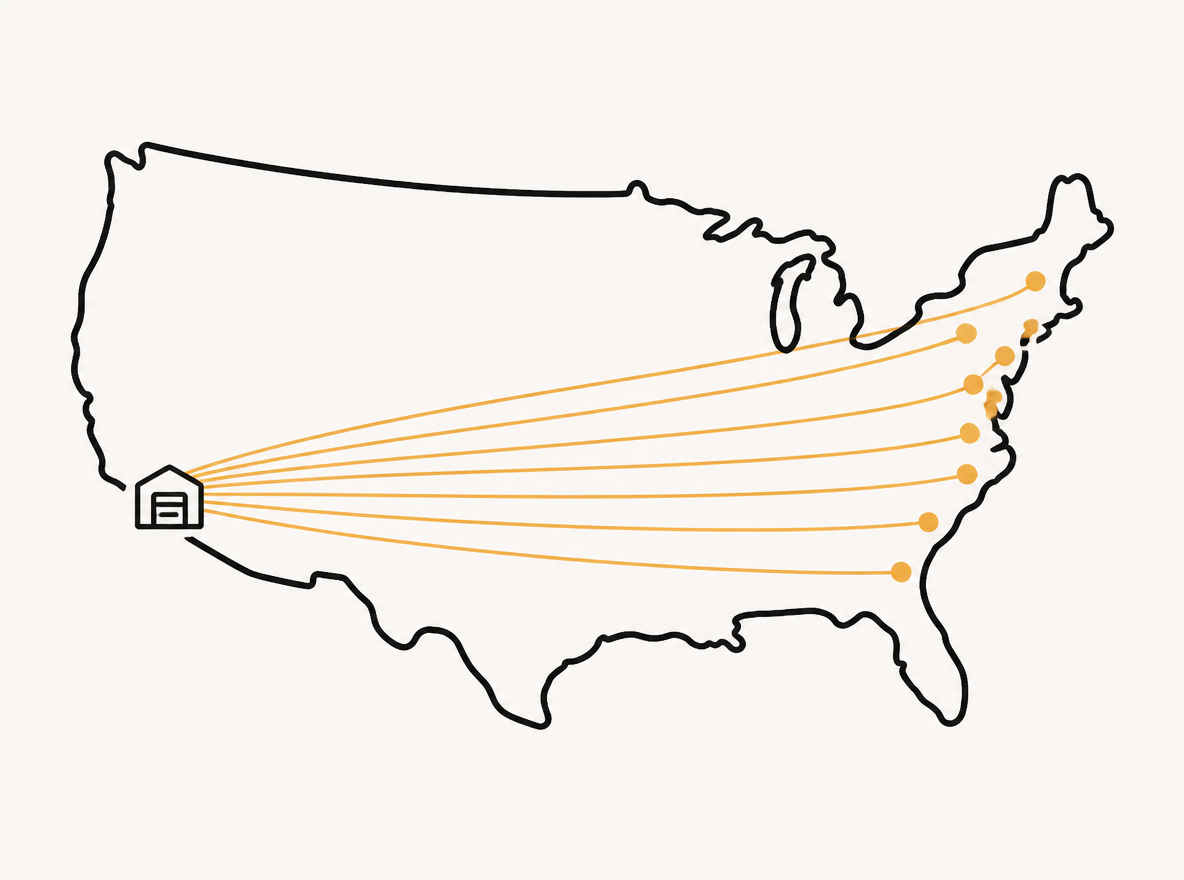
有时候问题根本不在承运商,在网络。常见配置:客户集中在东海岸,仓库在洛杉矶。每一单都跨整个美国,按分区 7、8 的费率走,任何承运商折扣都救不了,因为距离本身就是成本。Sometimes the problem isn't the carrier at all, it's the network. A common setup: customers concentrated on the East Coast, warehouse in Los Angeles. Every single order crosses the country at Zone 7 or 8 rates, and no carrier discount fixes that, because the distance is the cost.

美国地图示意:西海岸洛杉矶一个仓库标记,东海岸一片客户点,两者之间多条连线

要懂的概念:平均发货分区(你发货距离的加权平均)、仓库选址(库存相对需求的位置)、多节点履约(两个或更多仓库)、库存拆分(把 SKU 分散到多个地点,而不是全放在一处)。The concepts to know: average shipping zone (the weighted average distance you ship), warehouse placement (where your inventory sits relative to demand), multi-node fulfillment (two or more warehouses), and split inventory (spreading SKUs across locations instead of holding everything in one place).

对 DTC 品牌、3PL 和仓库运营者来说,结构性的大节省在这里。哪怕只是部分把库存搬到离客户更近的地方,平均分区就会下降,单均成本全线下降,时效同步缩短,转化率和评价也跟着改善。它比换承运商工程量大得多,而这正是它值得做的原因:没几个卖家愿意费这个劲。For DTC brands, 3PLs, and warehouse operators, this is where the big structural savings live. Moving inventory closer to customers, even partially, cuts the average zone and drops cost per order across the board, while also shortening transit times, which improves conversion and reviews. It's a bigger project than switching carriers, which is exactly why it's worth doing: fewer sellers will bother.

10. 你只看单票成本,不看单均总成本10. You're Looking at Cost per Package Instead of Cost per Order

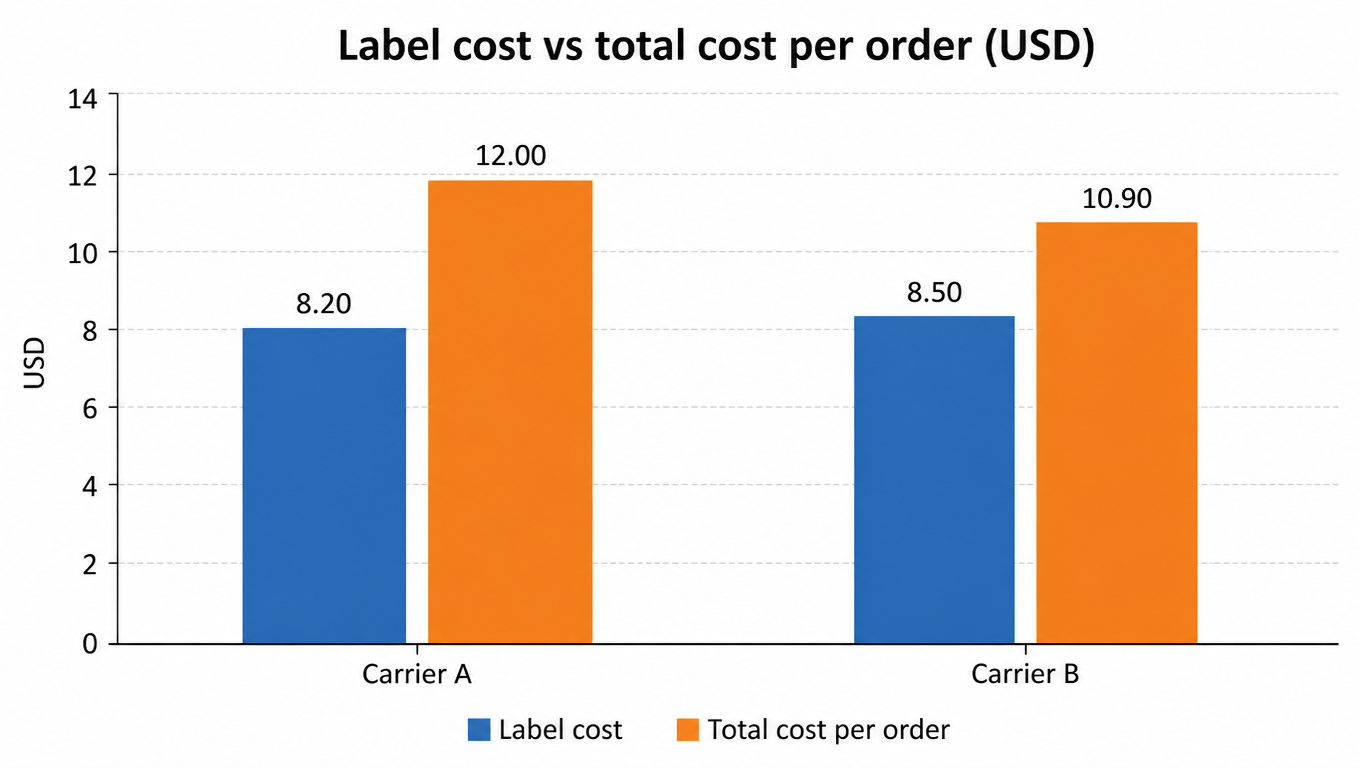
最后一个原因是思维问题,也是区分保本店铺和赚钱店铺的分水岭。大多数运营者只比面单:这票 8.2 美元,那票 8.5 美元,选便宜的。但面单只是真实成本里的一行。The last reason is a mindset problem, and it's the one that separates break-even stores from profitable ones. Most operators compare labels: this shipment costs $8.20, that one costs $8.50, take the cheaper one. But the label is only one line of the true cost.

真正的指标是单均总成本:包装、面单、拣货打包、附加费、退货率、妥投成功率,以及出问题时的客服成本。举例:承运商 A 的面单 8.2 美元,但时效慢、丢件多、退货和工单跟着涨,真实单均成本大约 12 美元;承运商 B 的面单 8.5 美元,但准时且完好,真实单均成本大约 10.9 美元。「便宜 0.3 美元」的那家实际贵 1.1 美元,放到规模上,这就是全部利润。The real metric is total cost per order: packaging, label, pick and pack, surcharges, return rate, delivery success, and the customer service cost when things go wrong. Take an example: Carrier A's label costs $8.20, but it's slow, loses more packages, and drives returns and support tickets, for a true cost around $12.00 per order. Carrier B's label costs $8.50, but it arrives on time and intact, for a true cost around $10.90. The "$0.30 cheaper" carrier is actually $1.10 more expensive, and at scale that's the whole margin.

柱状图:承运商 A 标签价 8.2 美元、单均总成本 12 美元,承运商 B 标签价 8.5 美元、单均总成本 10.9 美元Bar chart: Carrier A's label costs USD 8.20 but total cost per order is USD 12.00; Carrier B's label costs USD 8.50 but total cost is USD 10.90
标签价 vs 单均总成本(美元)Label cost vs total cost per order (USD)

一旦你按单均成本而不是单票面单来衡量,优化目标就完全变了。一家面单略贵、妥投更好的承运商,可能是你手里最便宜的选择。这个视角的转换,就是这篇文章从普通 SEO 内容变成真正业务决策的地方。Once you measure cost per order instead of cost per label, the optimization target changes completely. A slightly pricier carrier with better delivery success can be the cheapest option you have. That shift in framing is what turns this article from generic SEO content into an actual business decision.

从第一步开始Start With Step 1

十个原因,但它们的杀伤力并不均等。找到自己漏点最快的方式,就是文章开头那条诊断流程:Ten reasons, but they don't hit equally. The fastest way to find your own leaks is the diagnostic flow from the top:

  1. 查你的计费重量。如果箱型在抬高账单,用体积重量计算器两分钟就能发现。Check your chargeable weight. If package size is inflating your bill, you'll find it in two minutes with the Dimensional Weight Calculator.
  2. 对比真实费率。然后用运费计算器看看同一票货换承运商、换服务、换箱型或换目的地会差多少。Compare real rates. Then see what the same shipment costs with a different carrier, service, box, or destination using the Shipping Rate Calculator.

为什么运费这么贵?→ 包裹是不是太大了?→ 体积重量计算器 → 这票货实际要花多少?→ 运费计算器 → 能不能通过换承运商、换服务、换箱型或换仓库位置,把成本降下来?Why is shipping expensive? → Is the package too large? → Dimensional Weight Calculator → What would this shipment actually cost? → Shipping Rate Calculator → Can I reduce the cost by changing carrier, service, box, or fulfillment location?

从第一步开始,看你的成本漏在哪里。多数卖家一个小时内就能找到第一个修复点,而第一个修复点通常也是最大的那个。Start with Step 1 and see where your cost leaks. Most sellers find the first fix within an hour, and the first fix is usually the biggest one.

常见问题FAQ

最可能的原因是体积重(DIM weight)。美国境内地面承运商按实际重量和体积重(长 × 宽 × 高 ÷ 139 或 166)中较大者计费,轻泡货按体积算往往要重好几磅。先看账单上的计费重量,再用体积重量计算器验证。The most likely cause is dimensional weight. Domestic ground carriers bill by the greater of actual weight and DIM weight (L × W × H ÷ 139 or 166), and light bulky items often bill several pounds heavier by volume. Check the chargeable weight on your invoice first, then verify with the Dimensional Weight Calculator.
因为附加费。住宅派送费、派送区域附加费、超大件费、额外处理费、旺季附加费、地址更正费都叠加在基础费率之上。比价时要比含附加费的最终预估,而不是头条数字。Because of surcharges. Residential, delivery area, oversized, additional handling, peak, and address correction fees all stack on top of the base rate. Compare the final estimated cost including surcharges, not the headline number.
不是。最便宜的承运商随重量、尺寸、始发地、目的地和服务等级变化。固定规则(比如「小于 5 磅走 USPS」)会系统性多付钱,逐单动态选择才是正确做法。No. The cheapest carrier changes with weight, dimensions, origin, destination, and service level. Fixed rules like "under 5 lb goes USPS" systematically overpay; dynamic per-order selection is the right approach.
按诊断流程来:先查计费重量(体积重量计算器),再对比真实费率(运费计算器),然后依次检查箱型、分区、谈判费率、服务等级、附加费和单均总成本。多数卖家在第一步就能找到最大的漏点。Follow the diagnostic flow: check chargeable weight first (Dimensional Weight Calculator), then compare real rates (Shipping Rate Calculator), then review box size, zones, negotiated rates, service levels, surcharges, and cost per order. Most sellers find their biggest leak in step one.
Get Rate Comparison
Get Rate Comparison