The variables that make a quote diverge from a charge
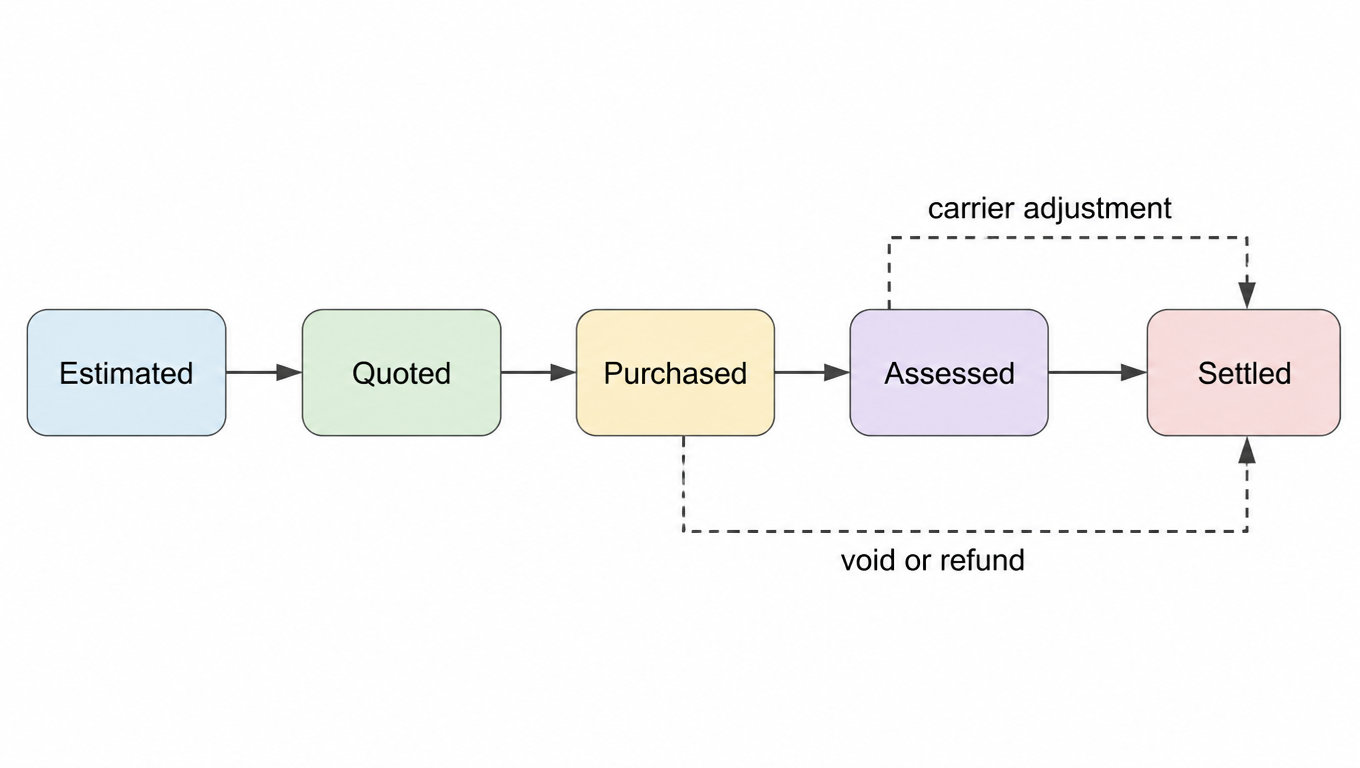
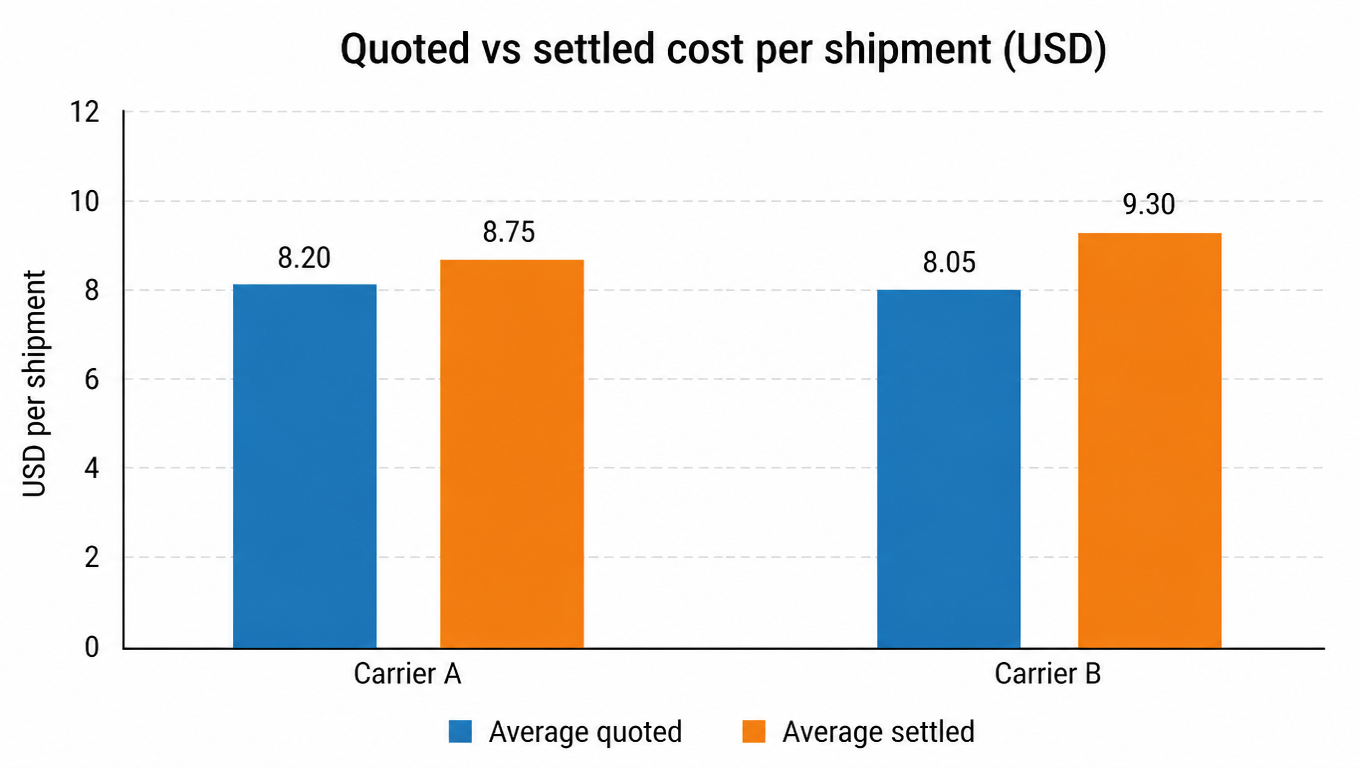
Most divergences are not mysteries. They are caused by inputs that change between the moment the quote was generated and the moment the carrier measured the shipment, or by inputs that were wrong from the start. When you investigate a mismatch, check these variables in this order.
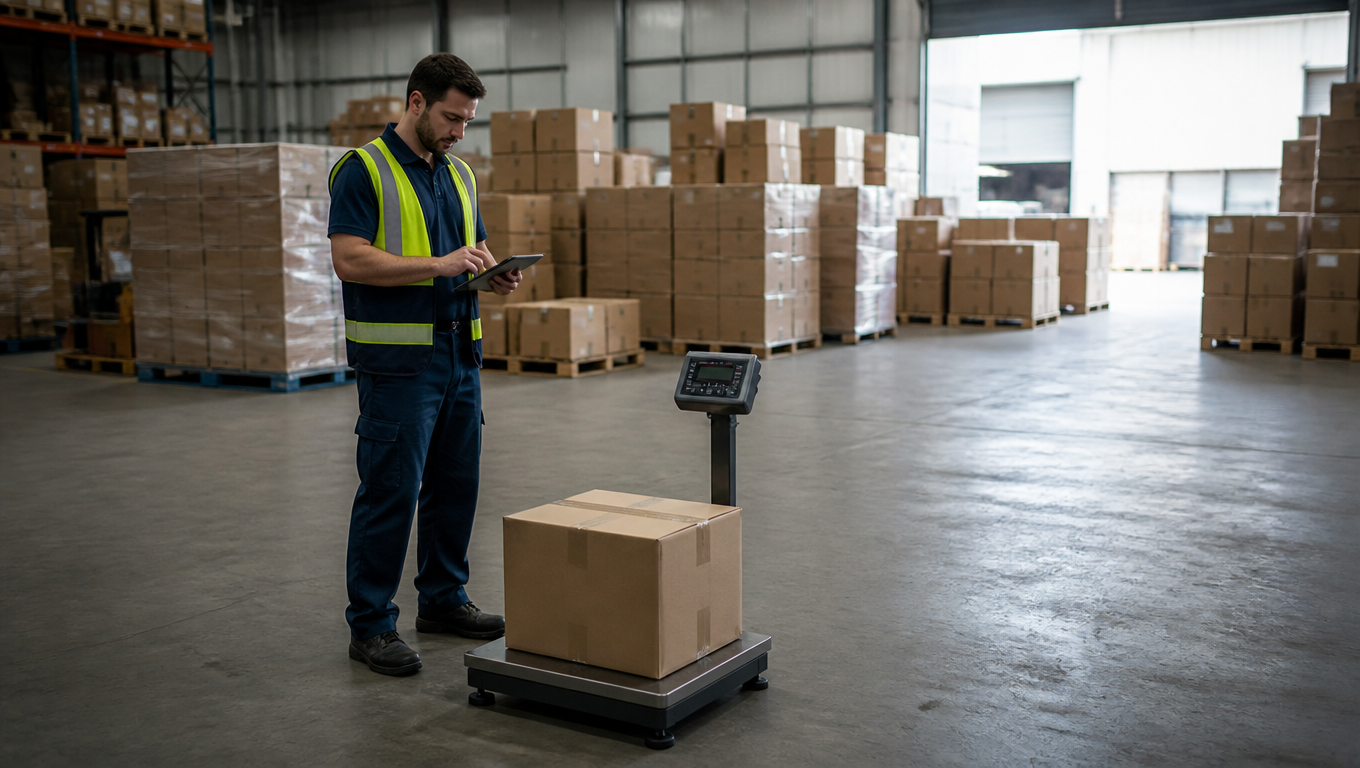
Location and service: origin and destination ZIP, the carrier and service selected, and whether the quote used the same service the label was purchased on. Weight: the declared weight you submitted versus the weight the carrier scanned at induction or sortation. Dimensions and DIM: the length, width, and height captured, the DIM divisor applied, and the billable weight derived from both.[^1] Packaging type: a box, poly bag, or tube changes both dimensional weight and the rates table. Classification: residential versus commercial delivery, and whether delivery area surcharges apply, such as DAS, EDAS, or remote-area fees.[^3] Address: whether the address was corrected after the quote, which usually triggers an address correction fee on top of any rate change.[^2] Add-ons: signature, insurance, and other services attached to the label after quoting. Structure: multi-package shipments, where each package is assessed separately while the quote aggregates them. Lifecycle: label voids, refunds, and reprints, each of which can create a separate charge line or fail to credit the original one. Timing: the quote timestamp and the rate version it came from, because carriers reprice services and fuel factors between releases. Finally, the carrier adjustment reason code on the invoice, which is the carrier's own explanation for the difference.
The practical fix has two layers. First, capture the variables correctly at the source, because no reconciliation framework can repair a weight that was typed wrong. Second, link every price state to the same set of identifiers (order ID, shipment ID, label ID, tracking number, charge ID), so that when a number changes you can prove which shipment it belongs to.