The Carrier Lifecycle: Firing Is the Last Resort, Not the First Response
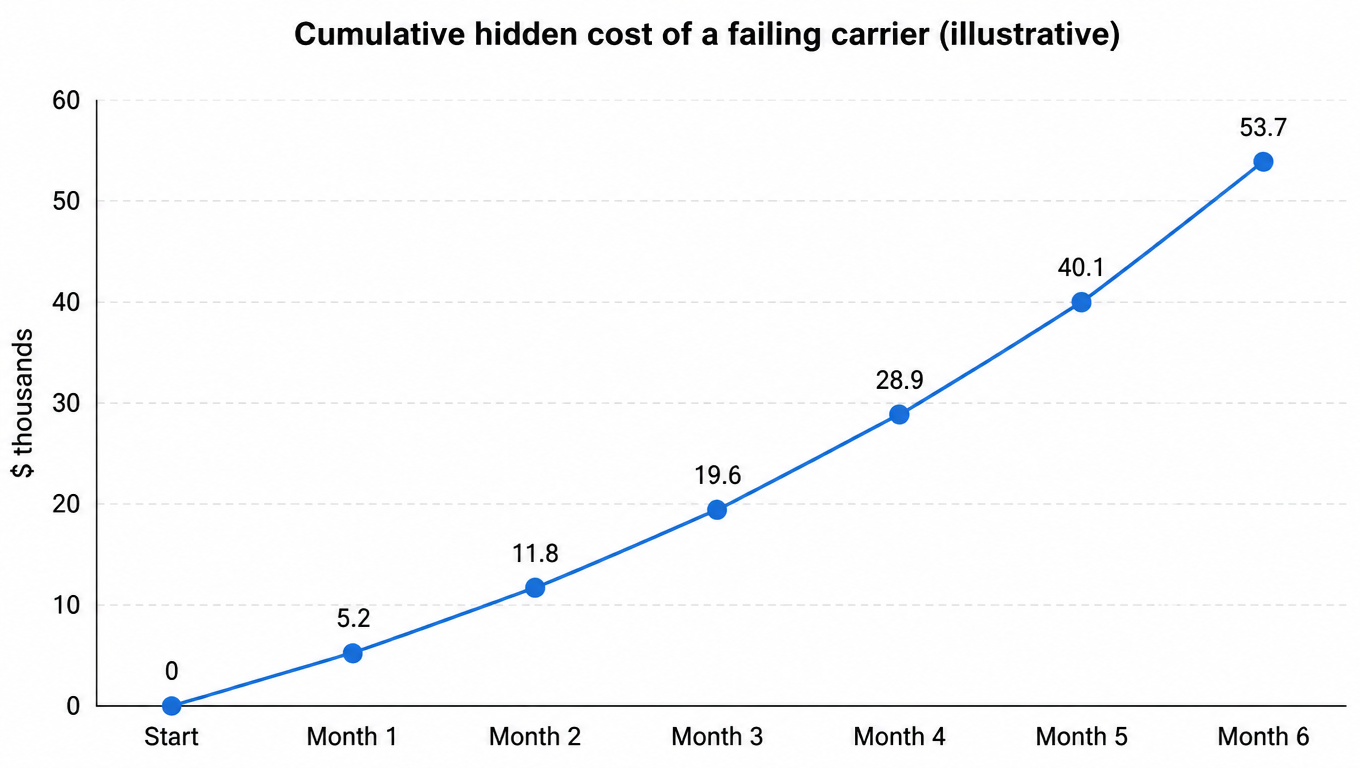
Every 3PL-carrier relationship moves through a recognizable lifecycle. The honeymoon phase, where the carrier is winning your business and your volume, is characterized by attentive reps, aggressive pricing, and service that feels tailor-made. The steady-state phase follows, where both sides have settled into routines, pickup windows are tuned, and performance is good enough that nobody looks at it closely. Then something shifts. A merger changes the carrier's priorities. A pricing regime resets your lane economics. A peak season exposes capacity limits that were never visible in June. Decline rarely announces itself; it shows up as small, repeated failures that you start to explain away.
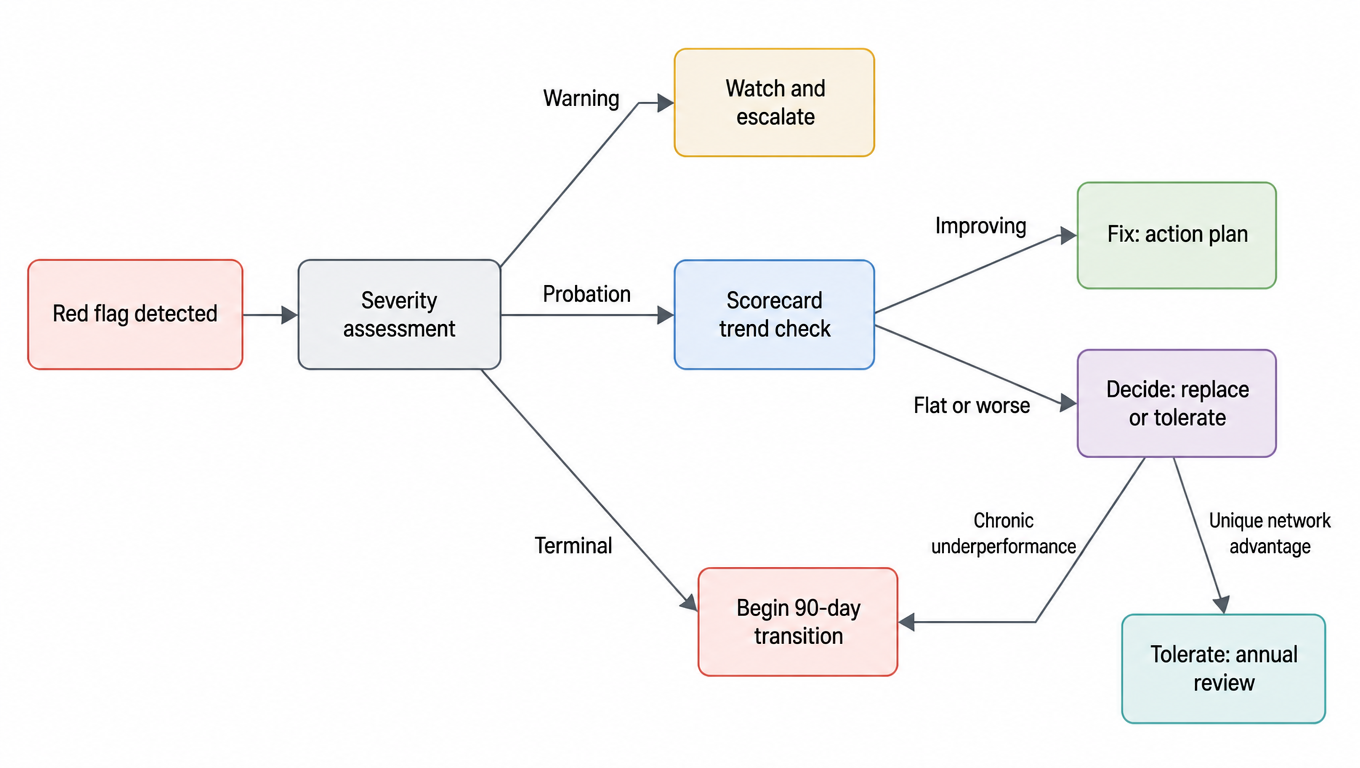
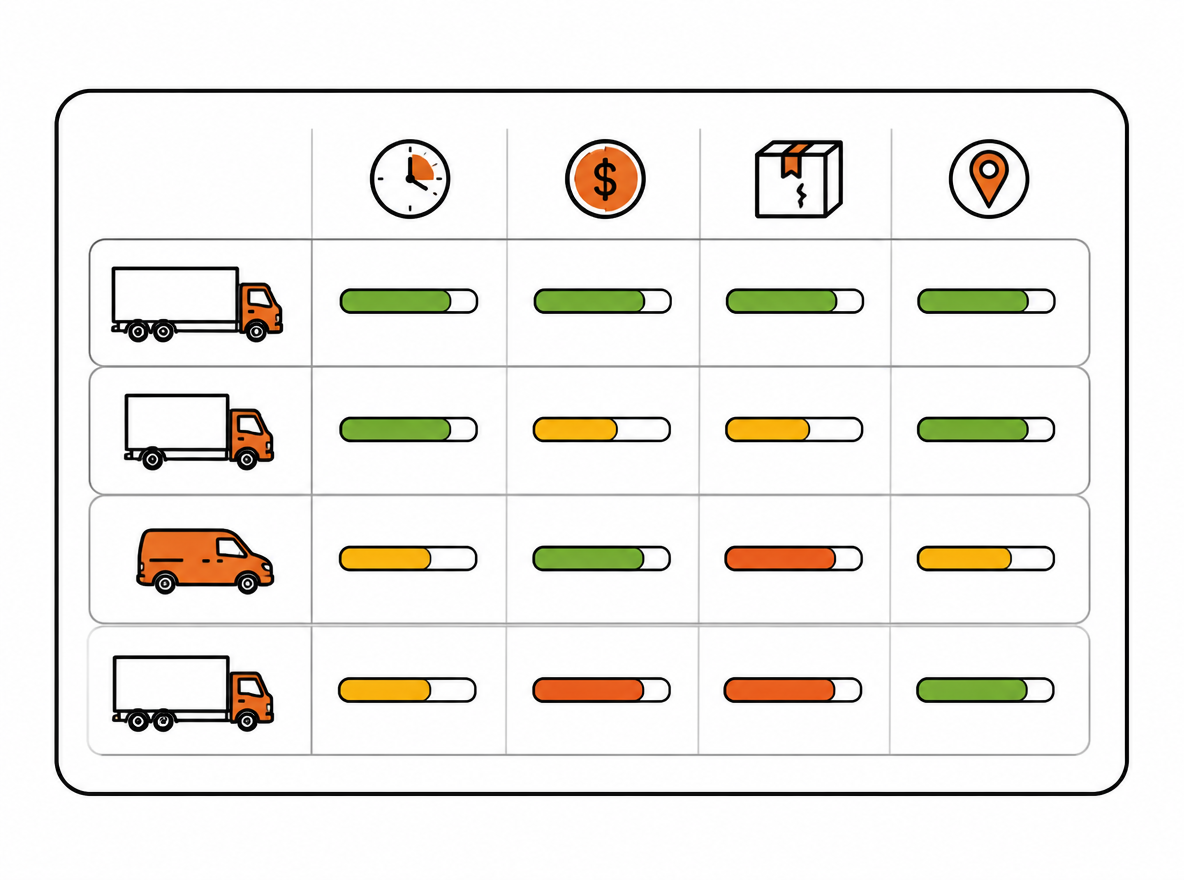
Keep the replacement decision tied to the roles defined in the multi-carrier strategy overview. Use the carrier performance scorecard to distinguish an isolated incident from a repeatable reason to restrict or replace a carrier.
Most problems in the decline phase are fixable. OTIF slippage can come from a pickup window mismatch or from label data on your side that the carrier has been quietly absorbing. Rate creep can be met with a volume commitment and a renegotiation. A carrier that wants the relationship will invest to keep it: a dedicated rep, a route adjustment, SLA credits, a written improvement plan with dates attached. The scorecard guide covers how to build the measurement; the point here is that measurement exists precisely so you know when the relationship is repairable and when it is not.
Firing is a strategic decision with real switching costs, not a punishment for a bad quarter. The question to ask is not \"is this carrier bad\" but \"is this relationship worth repairing.\" If the answer is no, fire deliberately. If the answer is yes, fix it deliberately too. Both are decisions. The only mistake is firing on anecdote, because anecdote-driven decisions are how 3PLs trade a fixable 92% OTIF for a shiny new carrier that delivers 88% in a different way.