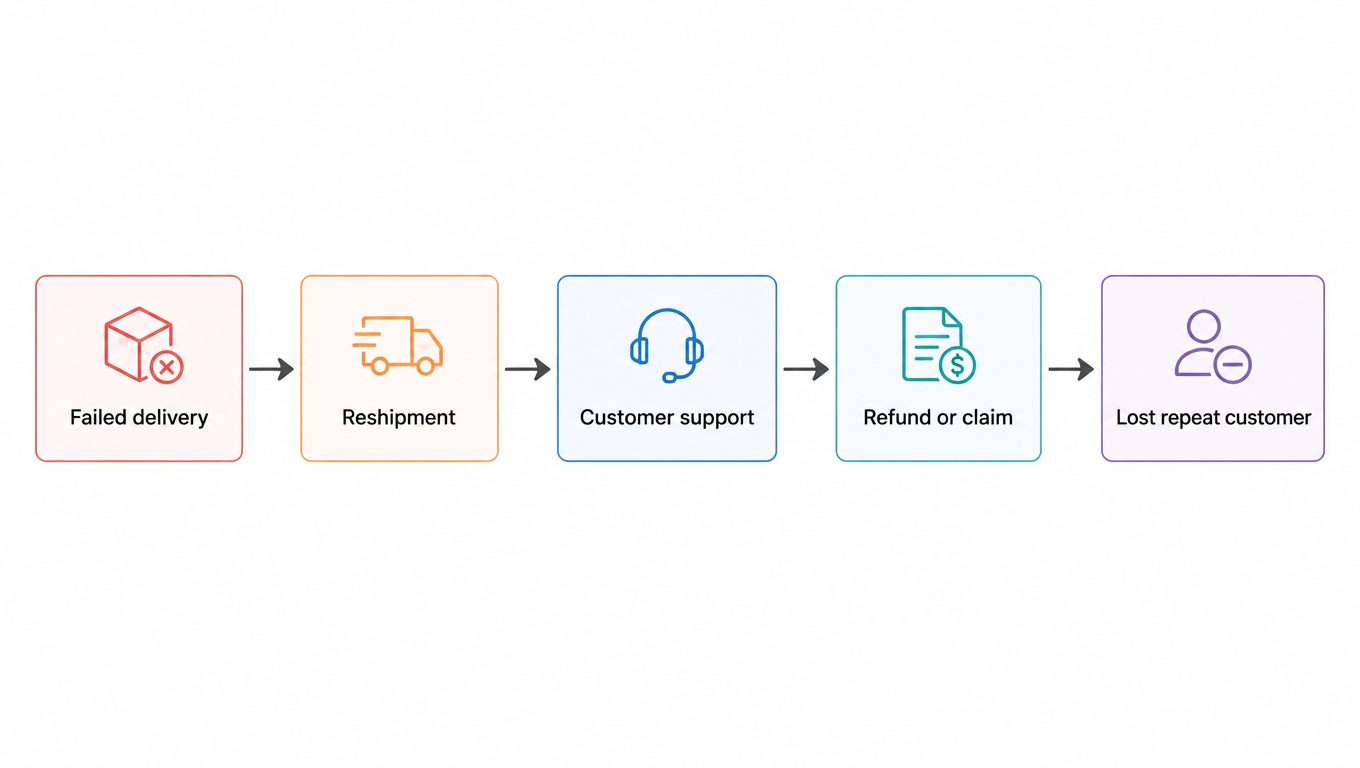
Why shipping is a loyalty problem: the economics first
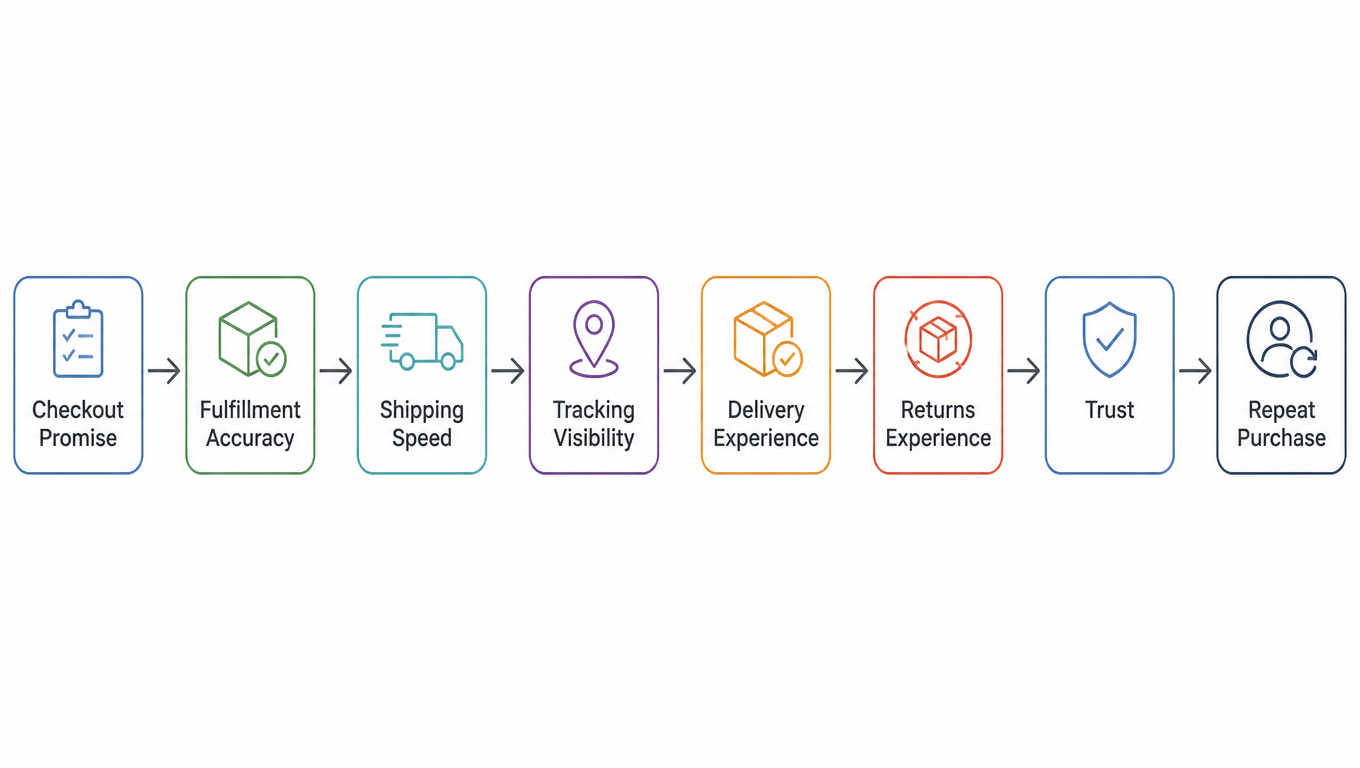
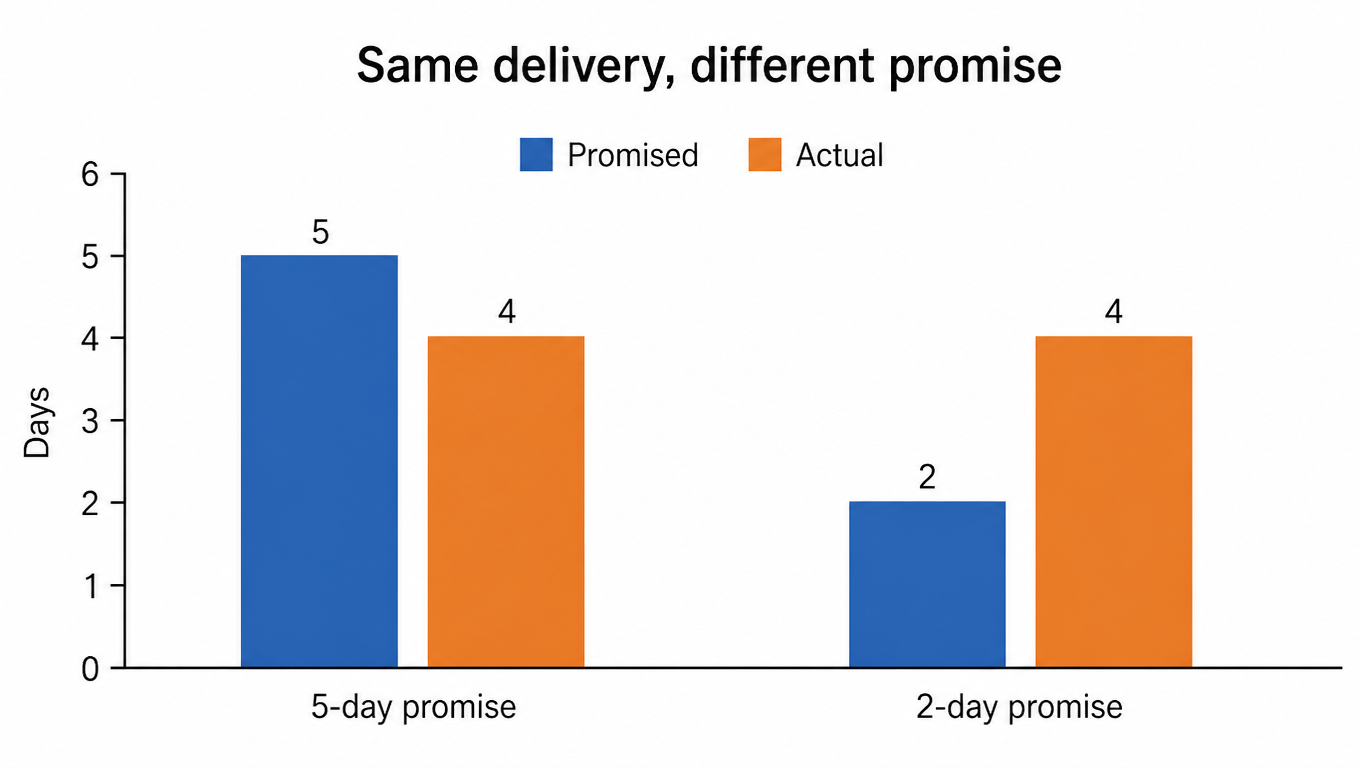
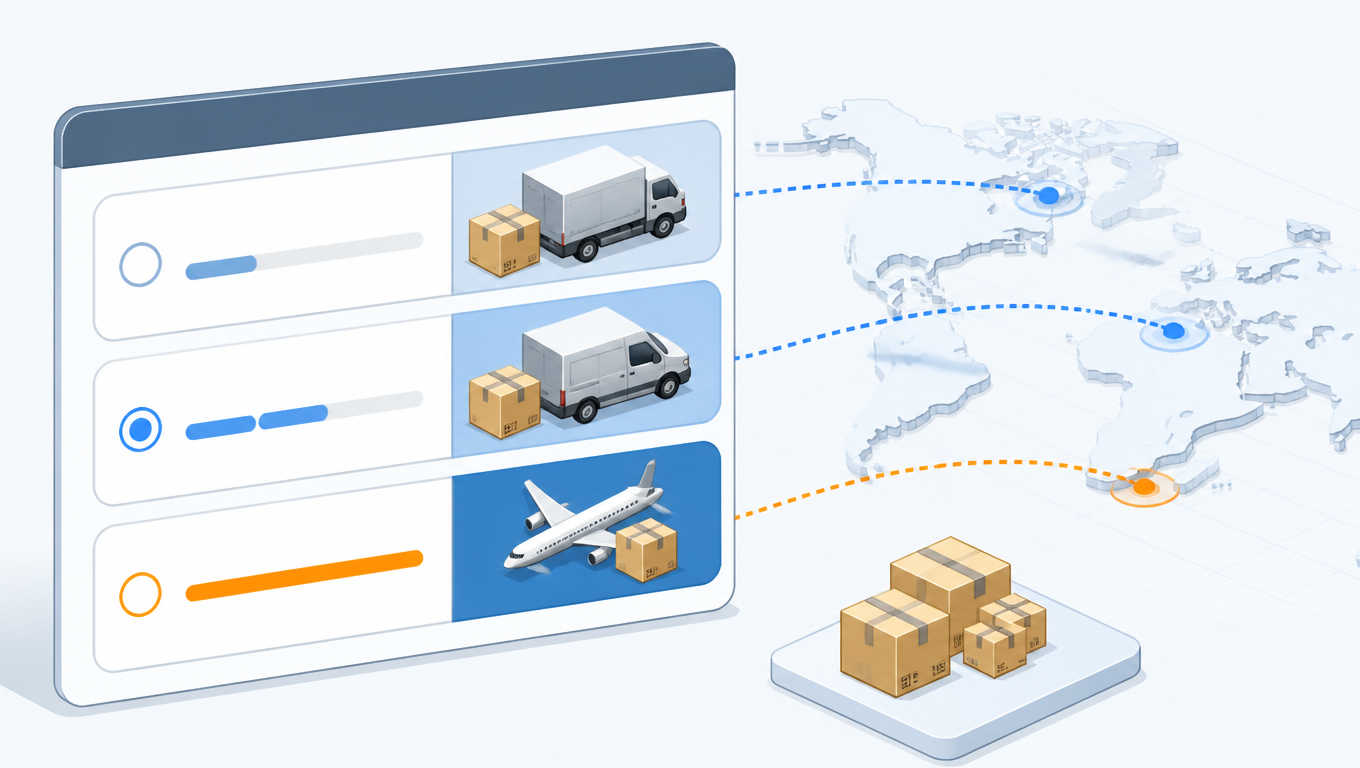
The economics make this urgent. Bain & Company's retention research found that a 5 percent increase in customer retention can lift profits by 25 to 95 percent, and acquiring a new customer costs five to seven times more than keeping an existing one[1]. When shipping quietly decides who comes back, it stops being a cost line and becomes a growth lever. But loyalty starts even earlier. Before a shopper ever clicks buy, they read the promises on your checkout page: free shipping thresholds, estimated delivery dates, shipping options, expedited shipping, and the return policy. Taken together, these are your delivery promise, the standard against which the entire post-purchase experience will be judged. So the first step is not picking a carrier. It is deciding what you will promise.