Classify First, Then Build Your Parcel Profile
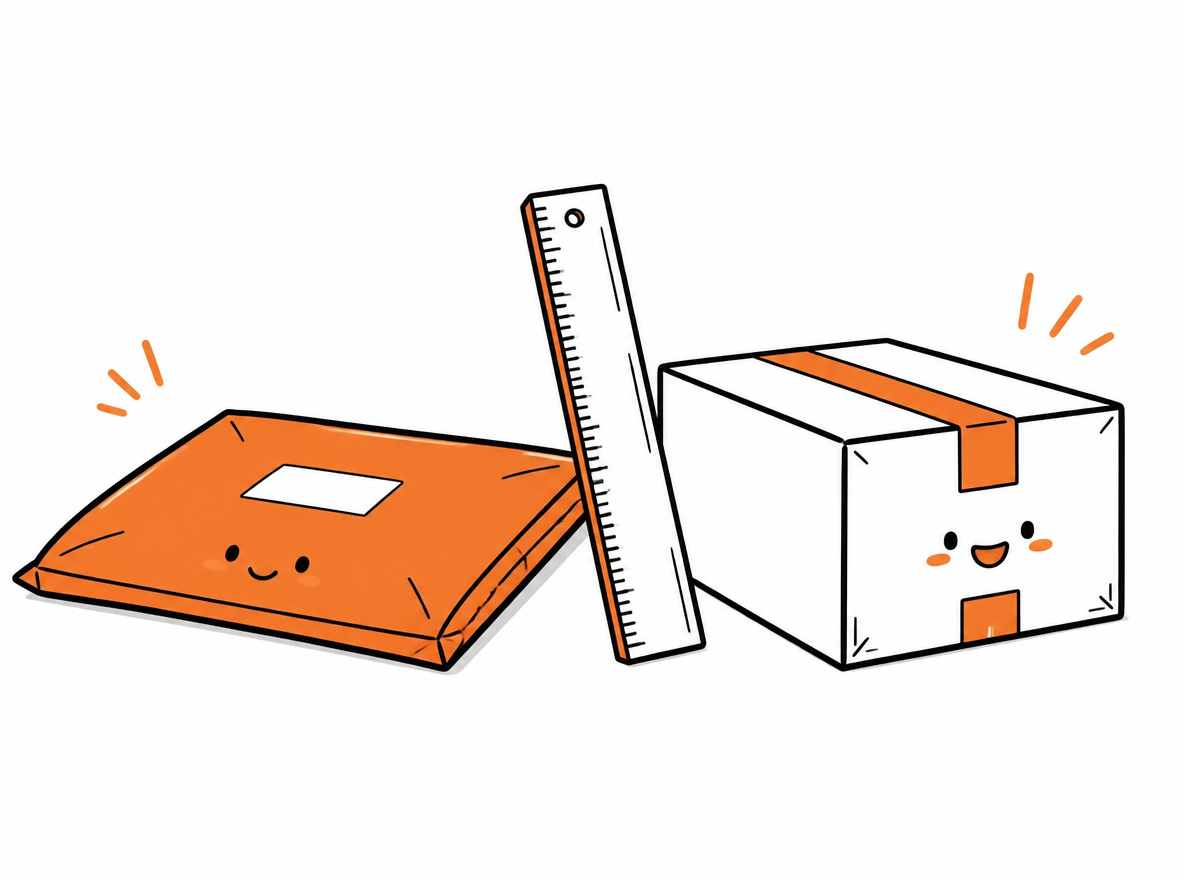
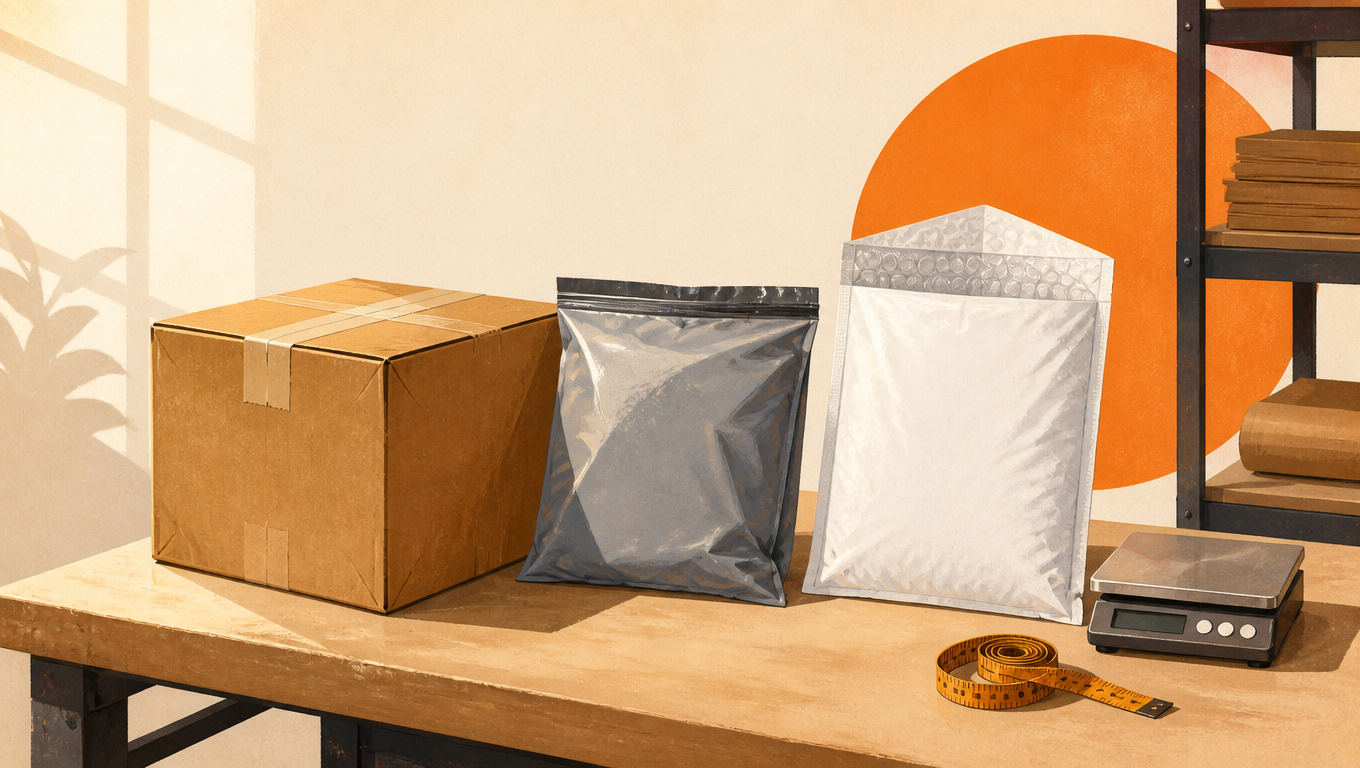
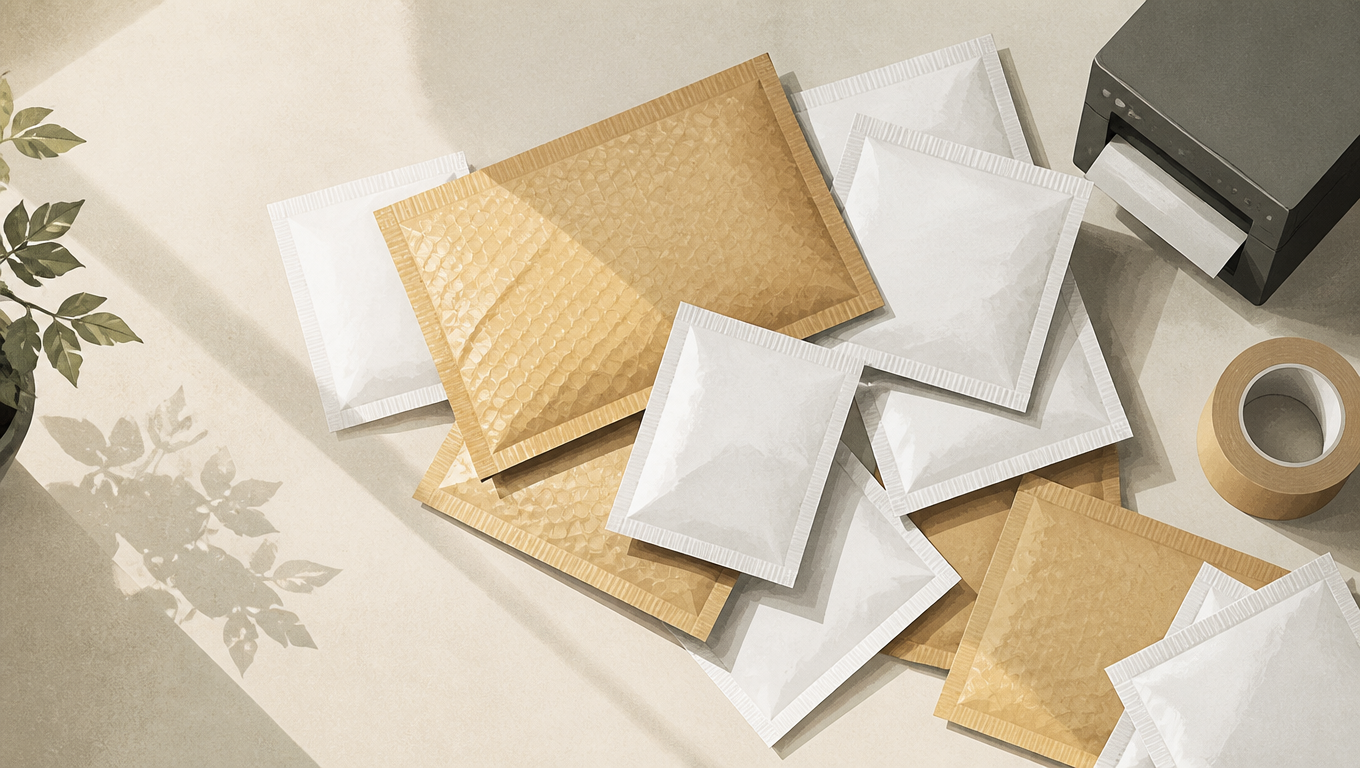
Before any rate comparison, decide what you are actually shipping. USPS treats a padded envelope as a mailpiece or a parcel depending on shape, thickness, and flexibility. A bubble mailer that passes the flexibility test ships as a softpack under Ground Advantage cubic pricing; the same item in a rigid board mailer or a thin box does not qualify and gets priced as a standard parcel. The official anchor to keep in mind is the Priority Mail Padded Flat Rate Envelope at 12.5 x 9.5 inches, the dimensions USPS itself uses as the padded envelope reference point.
The same physical product can drop out of a tier just by changing packaging. Put a small metal part in a bubble mailer and it ships as a softpack. Wrap it in a 12 x 9 x 1 box and it becomes a standard package, losing the cubic discount. Reverse the mistake and overpack a heavy item into envelope shape and you can hit non-machinable or oversized rules. Classification errors are the most common reason shippers conclude "envelopes are expensive," when the real problem is that they were never shipping an envelope.
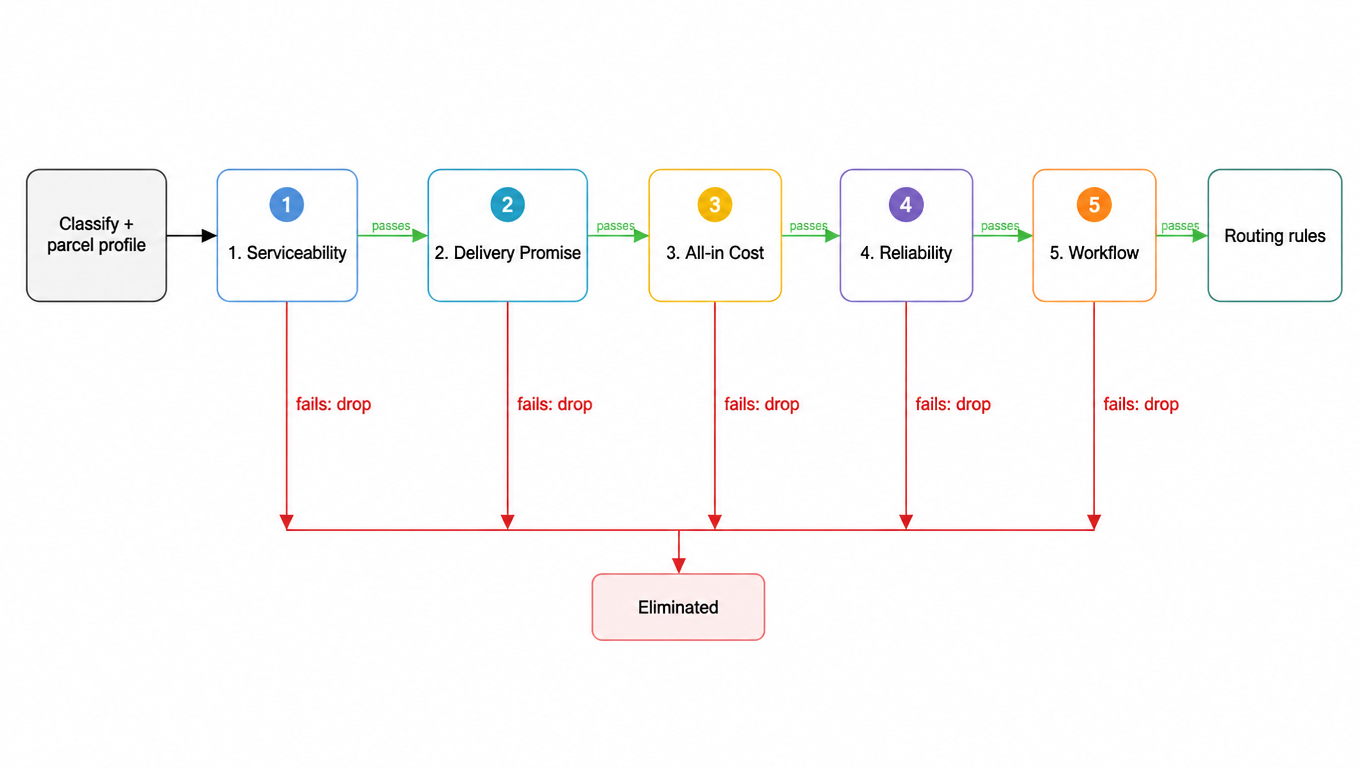
Next, write down a parcel profile before pricing anything. At minimum: outer dimensions, average and max weight, declared value, required delivery window, weekly volume, and destination mix (zone spread and residential share). If you ship from Ohio to all 50 states, your profile is different from a Los Angeles seller whose orders stay inside California; the USPS zone calculator helps you map your own zone structure.
The order matters. Classification and profile come first because every number in the comparisons below is meaningless if applied to the wrong shape or the wrong volume. A profile that says "1 lb, $300 value, two-day need" will route to a different answer than "4 oz, $20 value, flexible timing," and both answers can be correct at the same time.