1. The State of US Parcel Shipping in 2026
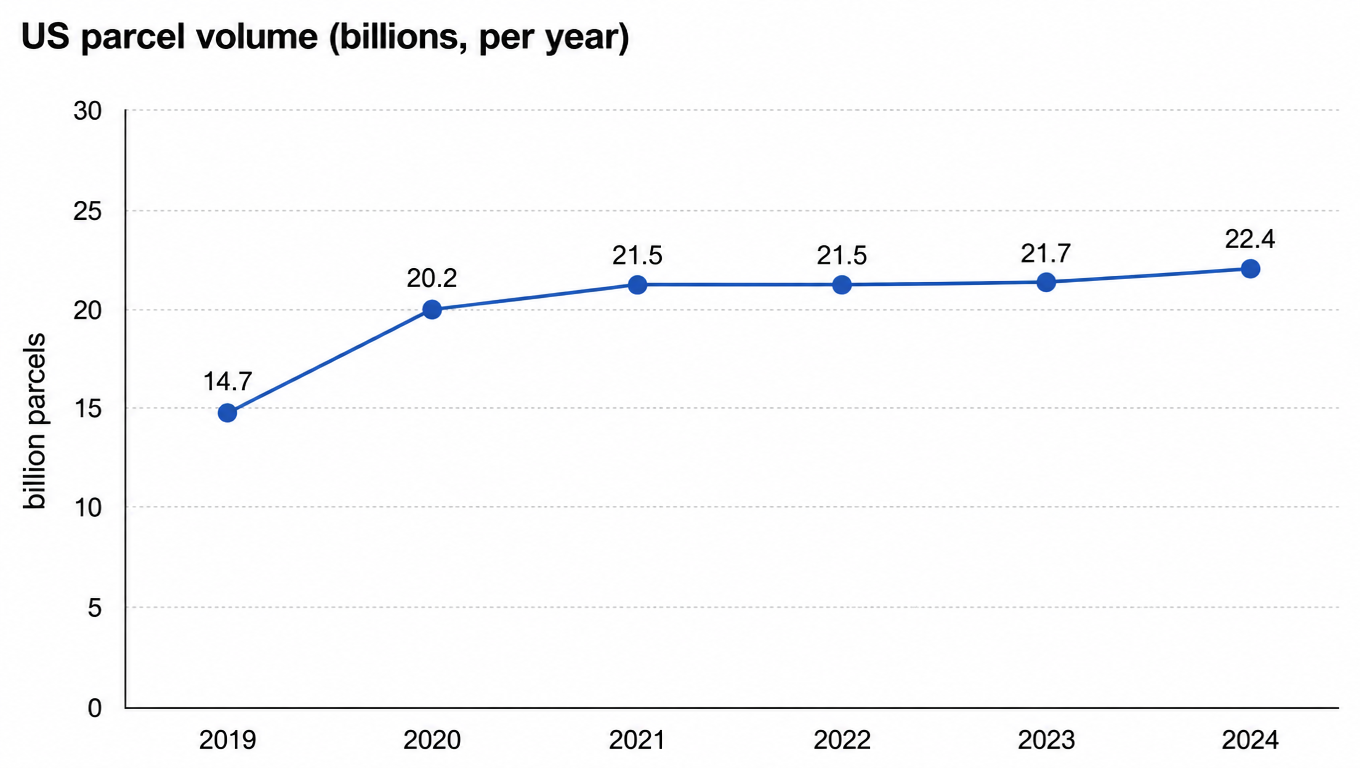
US parcel volume leads the world by a wide margin, and after the pandemic boom the market has settled into a durable steady state. Volume was essentially flat at 21.7 billion in 2023, then grew 3.4 percent to 22.4 billion in 2024 as e-commerce regained momentum and everyday categories from groceries to auto parts migrated online. The rules of competition are clear: volume compounds steadily, margins stay thin, and the edge belongs to whoever ships cheaper, more predictably, and with better information attached.
E-commerce now accounts for about 16 percent of US retail sales but a far larger share of parcel volume, because online orders ship as individual parcels while store sales move in bulk. That mix has changed what shippers expect. Two-day delivery is the default promise, same-day is growing in dense metro markets, and the delivery window consumers tolerate keeps shrinking. None of that would be possible on the economics of 2015-era shipping. What changed is technology layered on top of the physical networks.
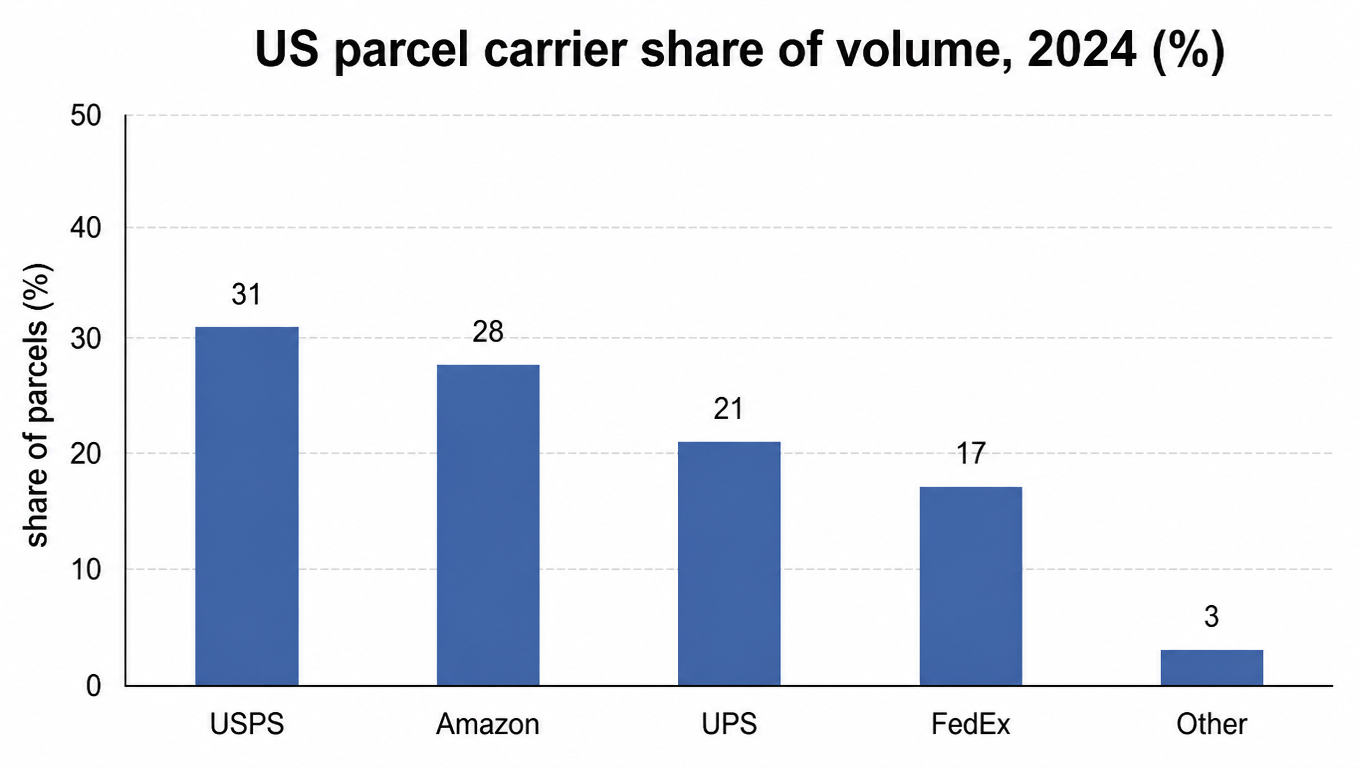
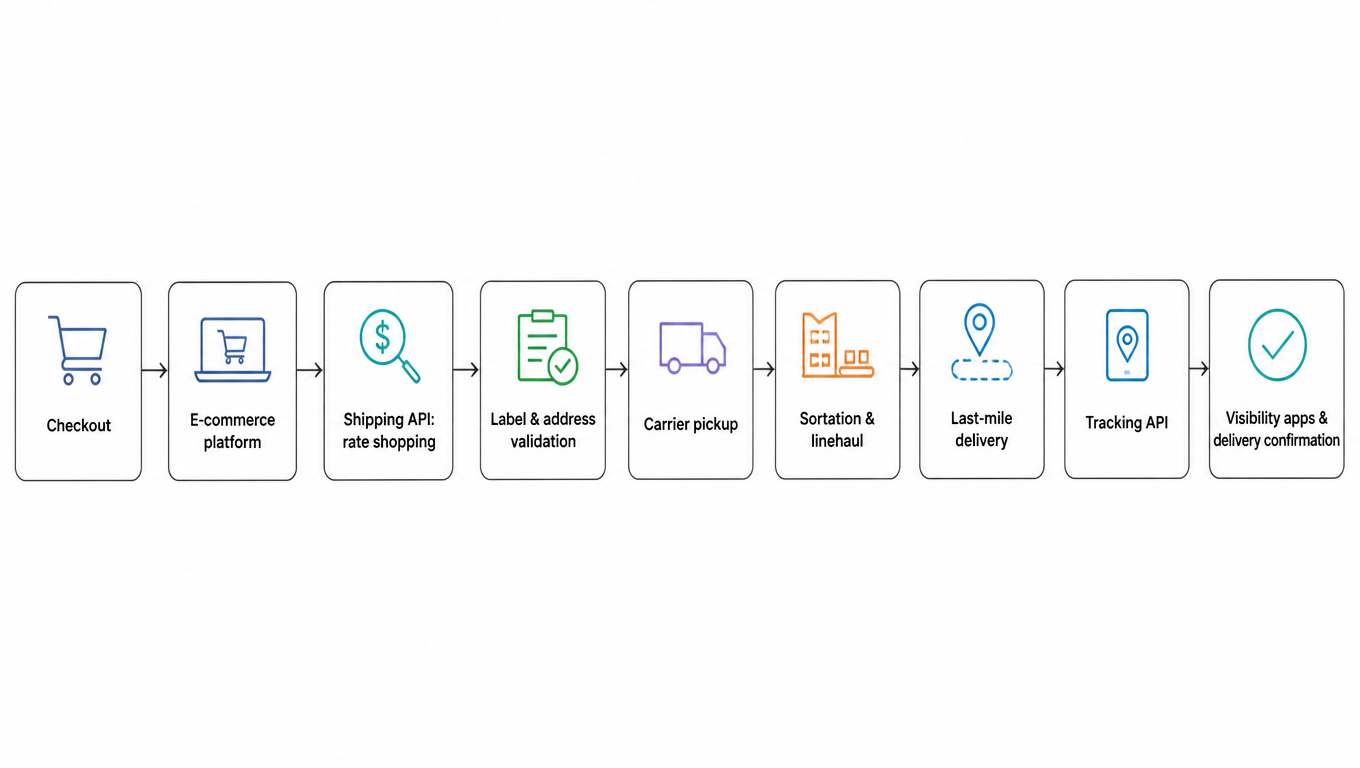
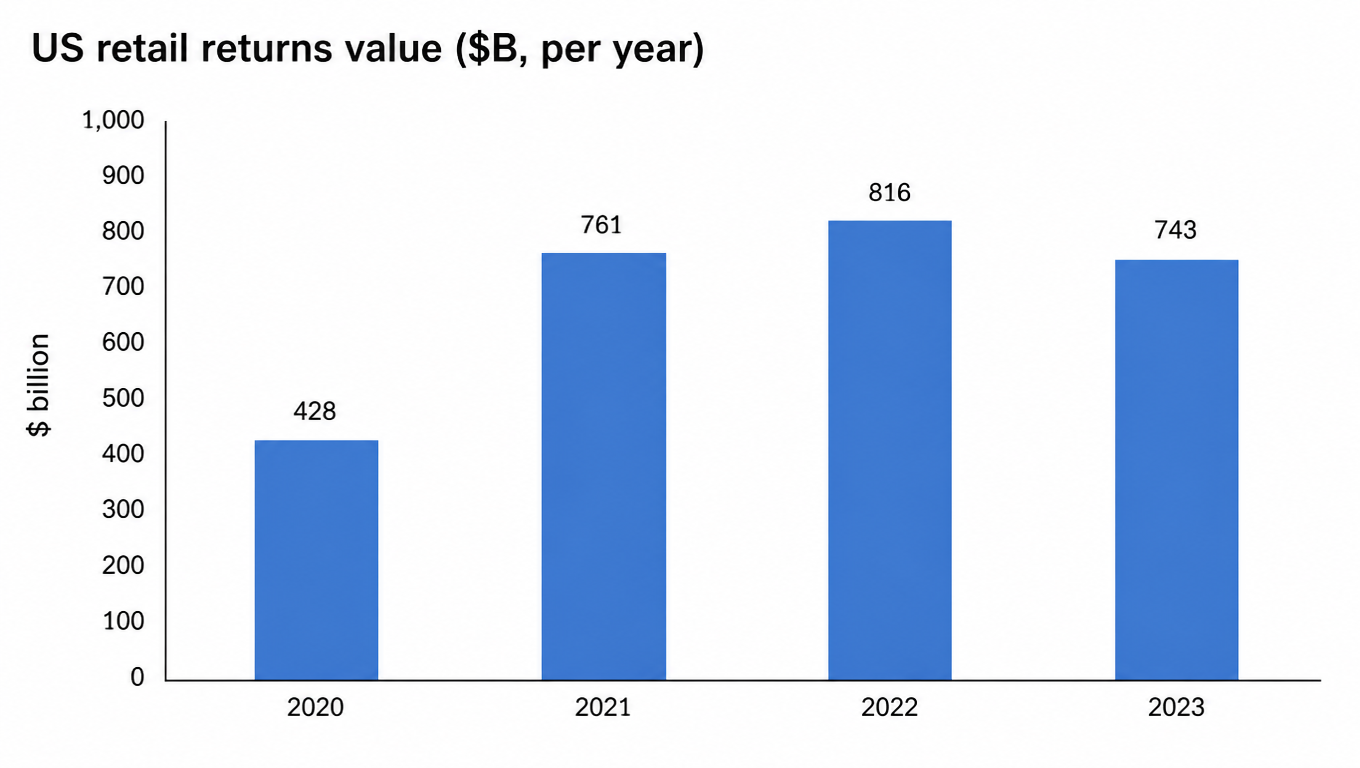
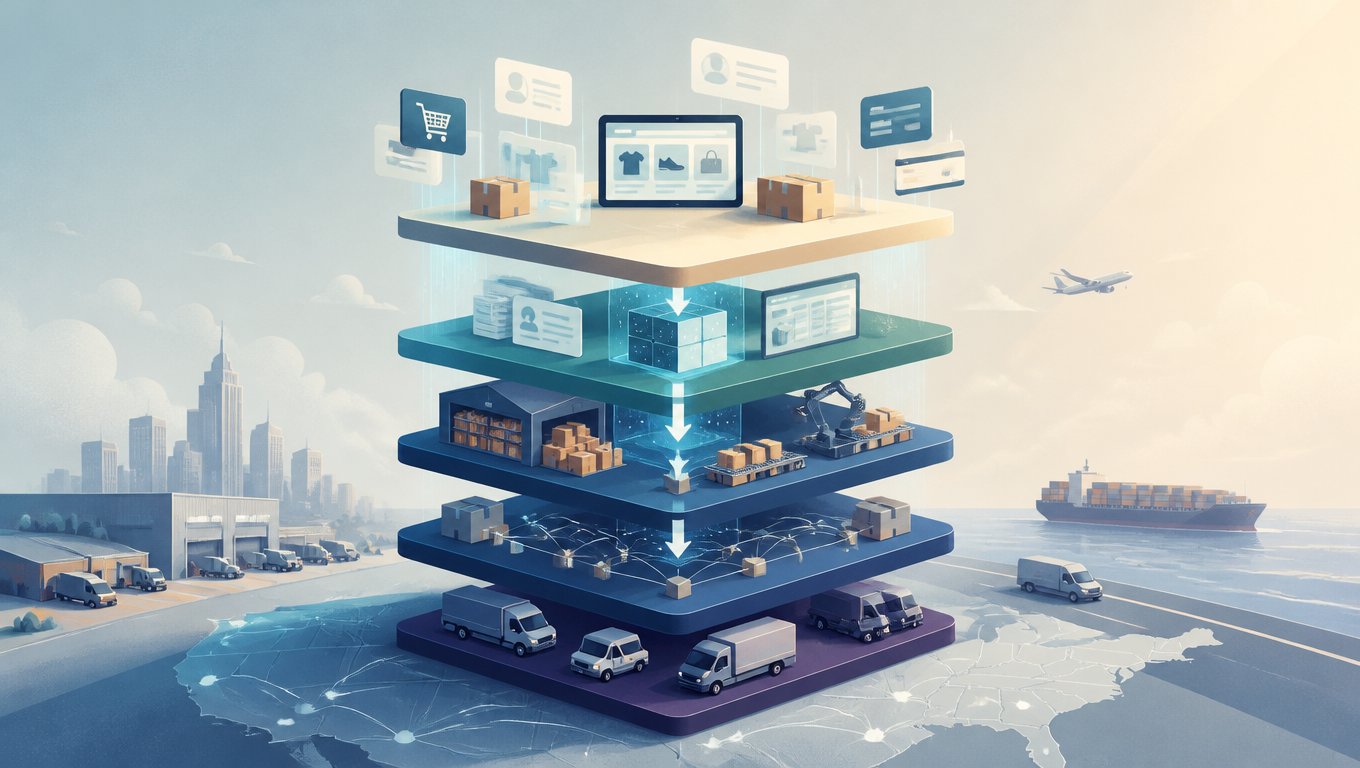
That is why the technology stack is the right framework for reading this industry in 2026. The physical carriers, UPS, FedEx, USPS, and the regional networks, form the bottom layer: the pipes through which packages flow. Above them sits a middleware layer of shipping platforms, TMS software, and carrier-API gateways that decide which pipe to use and at what price. On top sit the applications shippers and consumers actually touch: last-mile orchestration, returns management, and end-to-end visibility. Understanding the 2026 landscape means understanding each layer, who competes there, and how the layers interact.