1. The 90-Day Black Box Problem
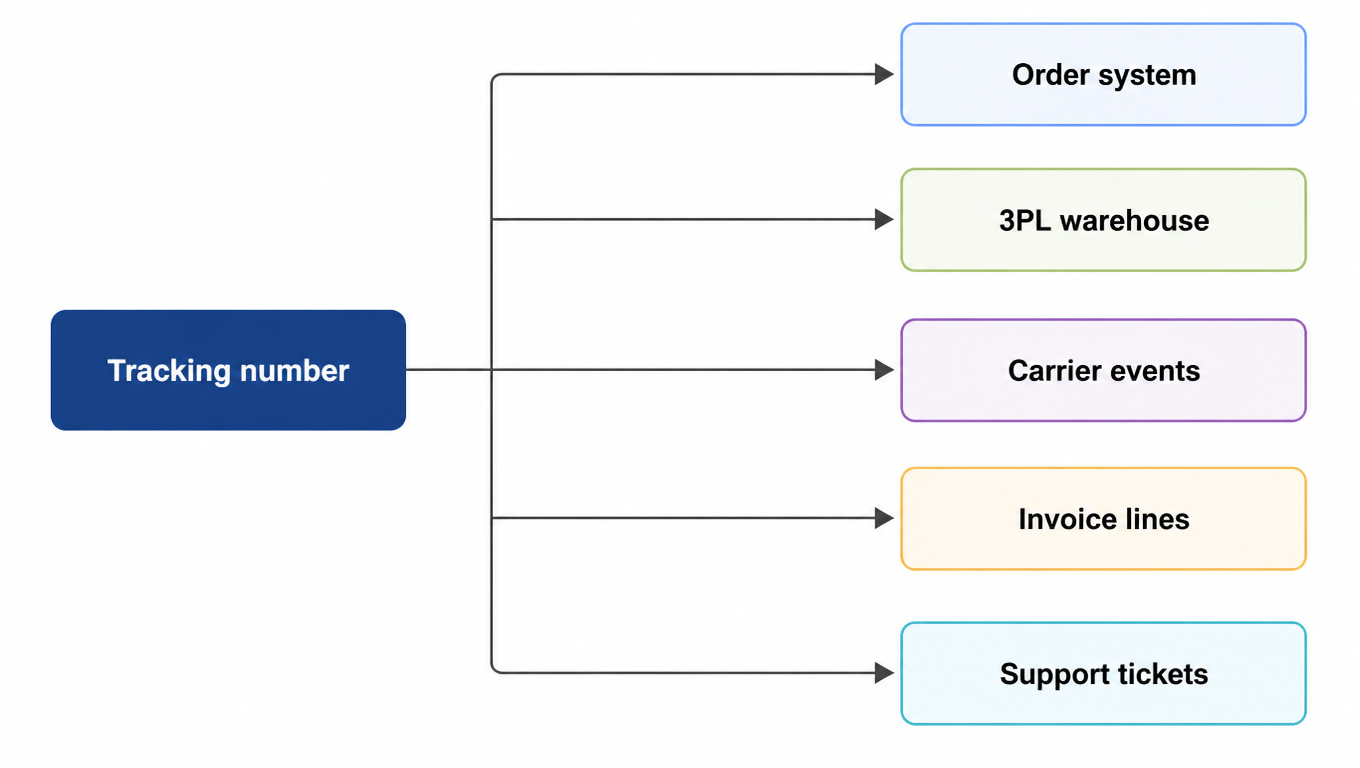
The first 90 days of a 3PL contract look fine on paper: rates are agreed, onboarding is scheduled, and both sides expect a smooth handoff. In practice this is the period where most fulfillment relationships break. During onboarding everyone is busy, assumptions go unstated, and the reporting that was demoed in the sales deck rarely matches what the warehouse actually sends. The first real test, a split shipment, a carrier delay, a peak week, is when the black box opens: nobody at the brand can say where a parcel is, why an invoice line exists, or who owns the problem.
The symptoms are recognizable once you know what to look for:
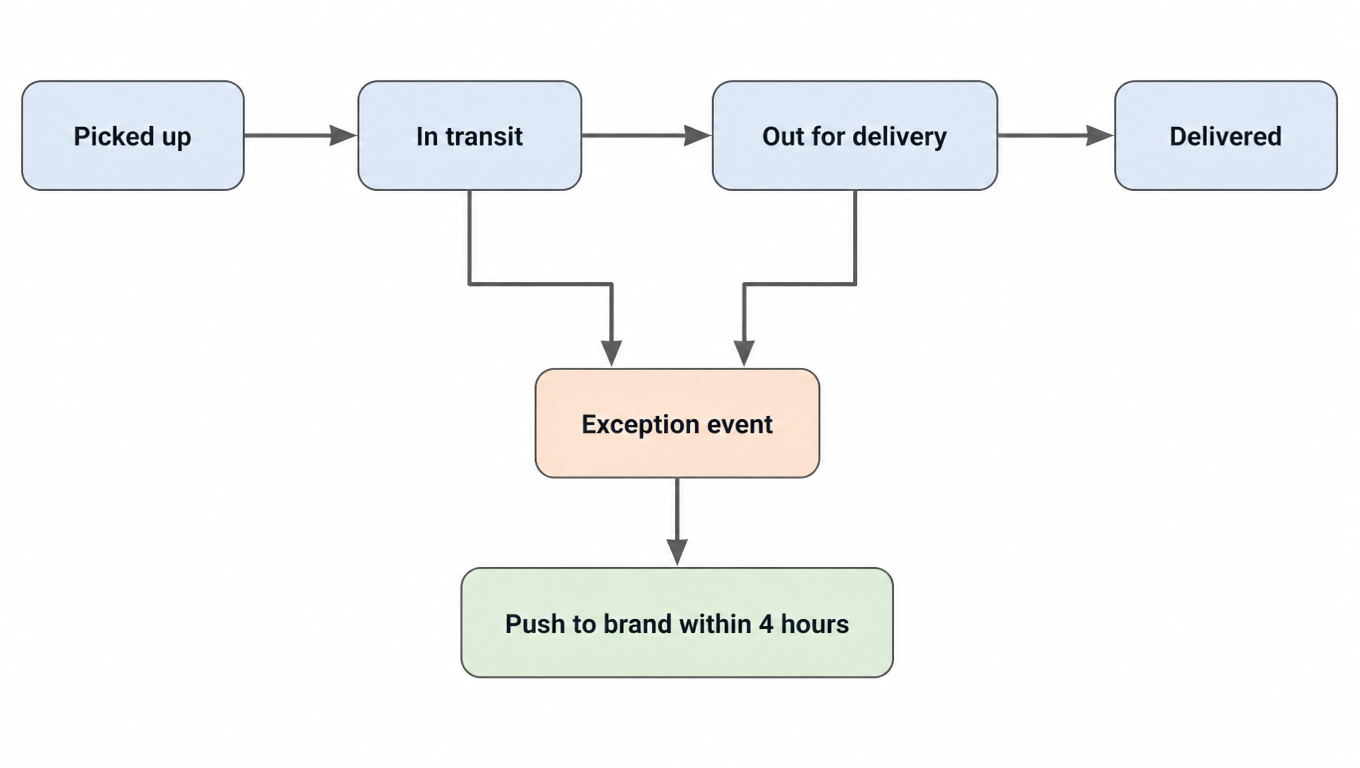
- Tracking stalls at the same event for days, with no explanation and nobody flagging it
- Invoice lines cannot be matched to shipments, so every bill is taken on faith
- Claims and chargebacks have no record trail, so each dispute starts from zero
- Answers change depending on which 3PL contact you ask
Each symptom has a real cost. Lost orders and refunds hit revenue and customer trust directly, and chargebacks compound the damage. Overpaid freight goes unspotted because dimensional weight errors, accessorial charges, and duplicates hide inside summary invoices. And when the relationship burns out, the switching cost is brutal: inventory migration, re-onboarding, and weeks of degraded fulfillment in the middle of selling.
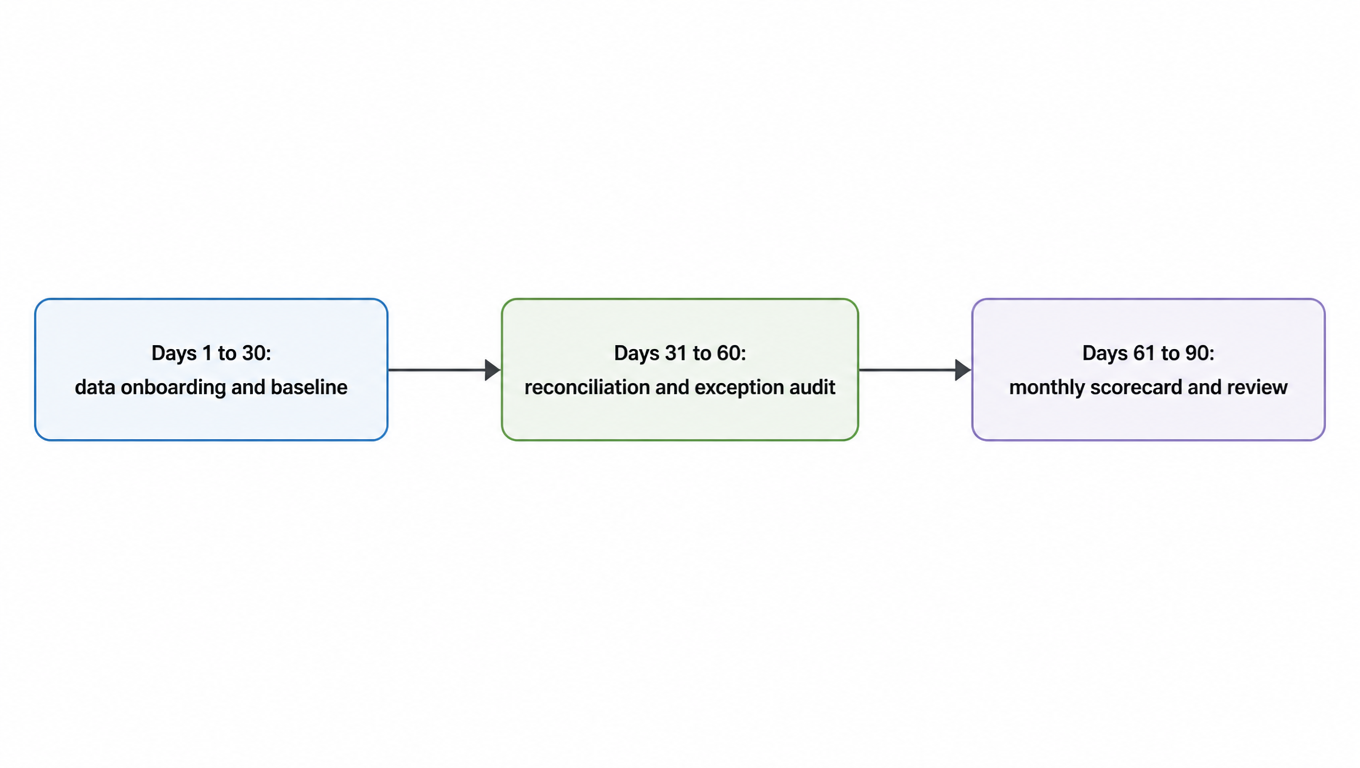
The fix is not more meetings or a friendlier account manager. It is a communication SLA, a contract between brand and 3PL about how information flows, grounded in data that both sides can verify. This article covers the four data foundations that make such an SLA enforceable, the clauses to put in the contract, and a 90-day rollout to verify it all.