HS Code Guide

What Is the HS Code Meaning? A Clear Beginner's Guide

An HS code is a standardized six-digit number that customs authorities worldwide use to identify what a product is. HS stands for Harmonized System, and the full official name is the Harmonized Commodity Description and Coding System. Every international shipment, from a single e-commerce parcel to a full ocean container, carries an HS code on its commercial invoice and customs declaration. If you have ever filled out a shipping label and stared at a field asking for an HS code, this is the number it wants.

The catch is that a wrong code produces wrong results: miscalculated duties, stuck shipments, and penalties. This guide explains what the code means, how it is built, how national codes differ, and how to get it right every time, including a tool that classifies your products automatically so you never have to guess.

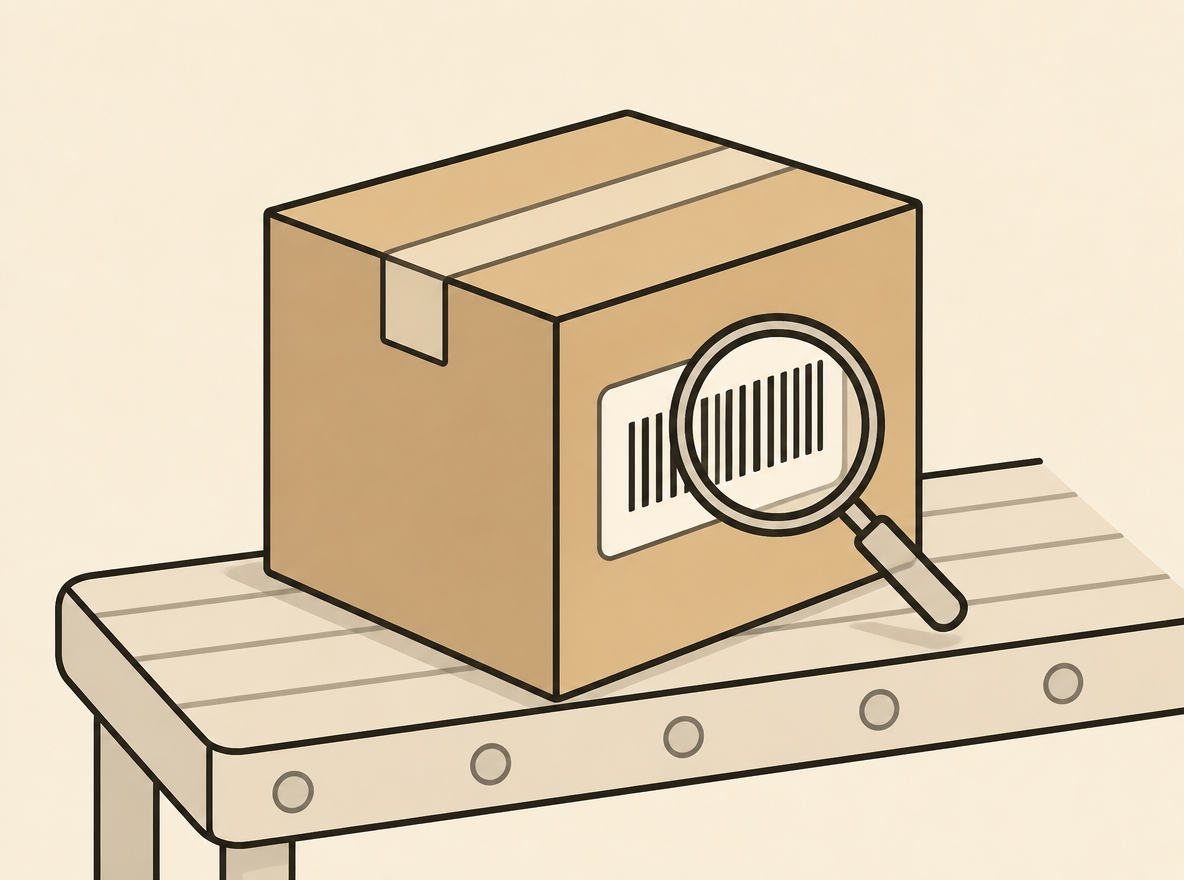
A clean technical illustration of a cardboard parcel with a barcode label on a shipping dock, with a magnifying glass hovering over the label

1. HS Code Meaning in Plain English

The system is maintained by the World Customs Organization (WCO) in Brussels and is used by more than 200 countries and economies. In fact, more than 98 percent of international merchandise trade is classified using HS codes, which makes the system one of the most widely adopted standards in global commerce. When you see the same six digits on a Chinese export document, a U.S. import entry, and a German customs form, they all mean the same product.

Why does this matter? Because customs in every country needs one shared language to describe goods. With a common code, any customs officer anywhere can identify what is inside a box, apply the correct duty rate, enforce trade rules, and collect accurate statistics. The HS code is how the world's customs desks talk about your product without ever needing to open the box.
2. How an HS Code Is Structured

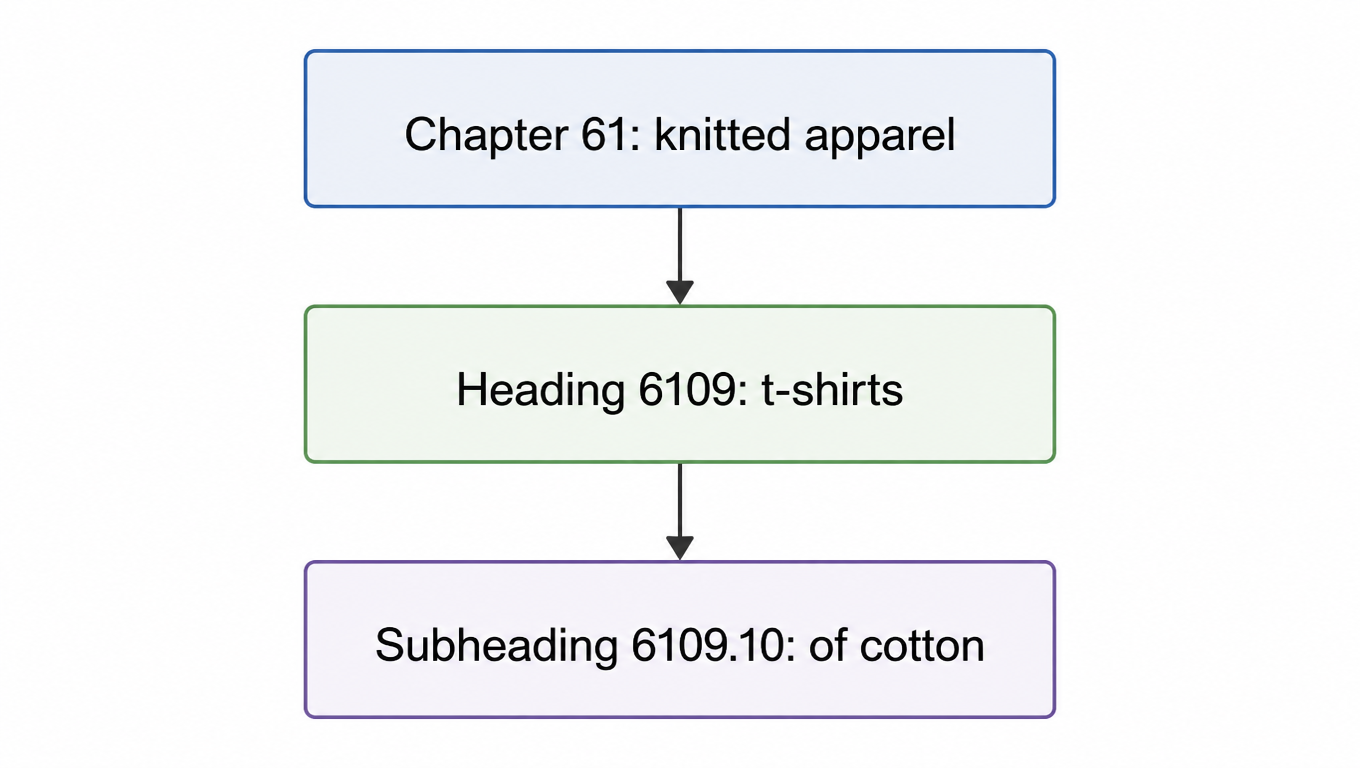
An HS code is six digits long, and those digits work in three pairs. Positions 1 and 2 identify the chapter, positions 3 and 4 identify the heading, and positions 5 and 6 identify the subheading. Each pair narrows the description of the product by one level, from broad category down to a specific kind of goods.

Underneath the six digits sits a four-level hierarchy: 21 sections, 96 chapters, roughly 1,200 headings, and more than 5,000 subheadings. Sections group related chapters (for example, textiles and textile articles), chapters group related products within a section, and headings and subheadings keep dividing products until each gets its own precise identity.

A concrete example makes this clear. Take a plain cotton t-shirt. Its six-digit code is 6109.10. The first pair, 61, places it in chapter 61, which covers articles of apparel made from knitted or crocheted fabric. The middle pair, 6109, is the heading for t-shirts, singlets, and other vests. The final pair, 6109.10, is the subheading for t-shirts of cotton. Change the fabric to polyester and the last two digits change too, because customs treats the two shirts differently.

HS code structure: Chapter 61 knitted apparel to Heading 6109 t-shirts to Subheading 6109.10 of cotton

For comparison, an e-commerce gadget like a Bluetooth speaker lives somewhere in chapter 85, the chapter for electrical machinery and equipment. The chapter alone already tells customs a great deal about what is in the box. Every additional digit narrows the picture further, and with it narrows the exact duty line your shipment will be taxed under. An automated classifier reads all six digits of the structure for you, so the finer distinctions never have to live in your head.

3. HS vs HTS vs Schedule B: Which Code Do You Actually Need?

The six-digit HS code is the international foundation, but it is rarely the whole story. Countries take the six-digit code and add their own digits, usually to the 8th or 10th position, to create national tariff lines that carry their specific duty rates and statistical categories. The first six digits stay the same everywhere; what comes after them is national territory.

In the United States, importers use the 10-digit Harmonized Tariff Schedule, commonly called the HTS, which is published by the U.S. International Trade Commission and administered by U.S. Customs and Border Protection. Exporters use a different 10-digit schedule, the Schedule B, maintained by the U.S. Census Bureau, which tracks what the country ships out. Both share the same first six digits with the international HS, then diverge in the final four.

Other countries do the same thing with their own suffixes. The European Union adds digits through its TARIC system, China maintains its own 10-digit national schedule, and so on. The practical consequence is that "the right code" depends on where the goods are going and in which direction. Using the wrong table, such as filing a U.S. import with an EU-style code, means the wrong duty rate and a very confused customs officer. This is also why a tool that understands each country's extension matters: one product description can yield the correct code for the U.S., the EU, China, and beyond, without you memorizing a single national schedule.

4. Why the Right HS Code Matters

The HS code does not just describe your product; it decides what you pay and whether your shipment clears. Customs uses the code to apply the duty rate, check for restrictions, and collect trade statistics. A difference of a few digits can move a product from a 0 percent duty line to a line with several percentage points of duty, and on a container of goods that difference is real money.

A wrong code triggers a chain of consequences. Duties get miscalculated, either underpaid (which customs will come back for) or overpaid (which eats your margin). Shipments stall in clearance while officers request more information. In the United States, civil penalties for misclassification scale with intent, from negligence up through gross negligence and fraud, and they are calculated against the value of the goods, which makes them painful at scale. Repeat problems can also put a company on customs' radar for audits.

The stakes show up in daily operations too. One misclassified line in a commercial invoice can hold an entire container at the port while the discrepancy is resolved, racking up storage and demurrage fees. For e-commerce sellers, a wrong code on a single parcel can get it flagged, delayed, or returned to sender, which is worse than a fine: it is a lost customer. Getting classification right from day one avoids retroactive duty assessments, chargebacks, and the audit risk that comes with guessing.

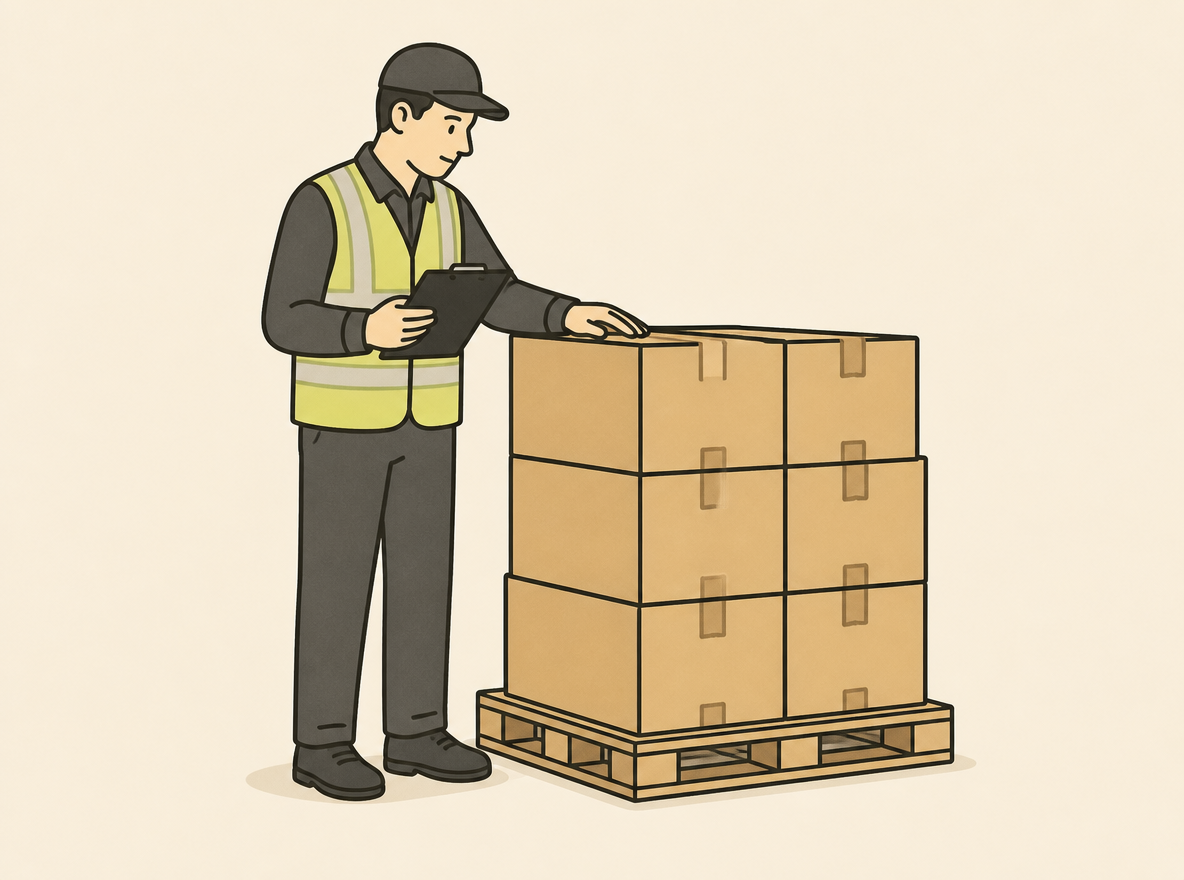
A customs officer in a high-vis vest inspects stacked cardboard boxes on a pallet inside a cargo warehouse

5. The 5 Most Common HS Code Mistakes Beginners Make

Most classification errors are not exotic; they are the same five habits repeated by beginners everywhere. Knowing them is half the fix.

  • Guessing from keywords instead of reading the product. Typing "cable" into a search and taking the first result ignores what the cable is actually made of and what it does. The material and function of a product decide its code, not its marketing name.
  • Copying a code from another country's schedule. A code found on a Chinese export form is not automatically valid on a U.S. import entry. The six-digit core may match, but the tariff line, and therefore the duty rate, may not.
  • Using an outdated code after the five-year revision cycle. The WCO revises the HS every five years, and the national schedules follow. Codes that were correct in 2021 may have moved, merged, or split in the current edition.
  • Ignoring material composition and function rules. The General Rules of Interpretation (GRI) decide which heading wins when a product could plausibly fit several, for example a phone case that is part plastic and part metal. Beginners skip these rules and pick the heading that feels right.
  • Copying a competitor's listing code without verifying it. The competitor may be wrong too, and copying their mistake does not transfer their risk; it doubles it.

Every one of these mistakes is exactly what an automated classifier is built to prevent: it reads the full product description instead of keywords, works from a verified, up-to-date database of each country's schedule, and applies the classification rules consistently on every shipment, not just on the days you have time to be careful.

6. How to Find Your HS Code (Fast and Correctly)

For a straightforward product, the official free tools are good enough. U.S. importers can search the HTS at hts.usitc.gov, and exporters can search the Schedule B on the Census Bureau's site. Both let you type keywords, drill through chapters, and read the duty rates attached to each line. For a clearly defined product, this takes a few minutes.

The trouble starts when the product is not straightforward. Mixed materials, multi-function devices, and genuinely new products with no obvious heading send beginners into hours of searching. That is when the classification rules earn their keep: the General Rules of Interpretation decide which heading applies, and the WCO's Explanatory Notes explain how each heading should be interpreted. Learning to read them well enough to classify reliably is a real skill, and it is a skill most sellers never wanted to acquire in the first place.

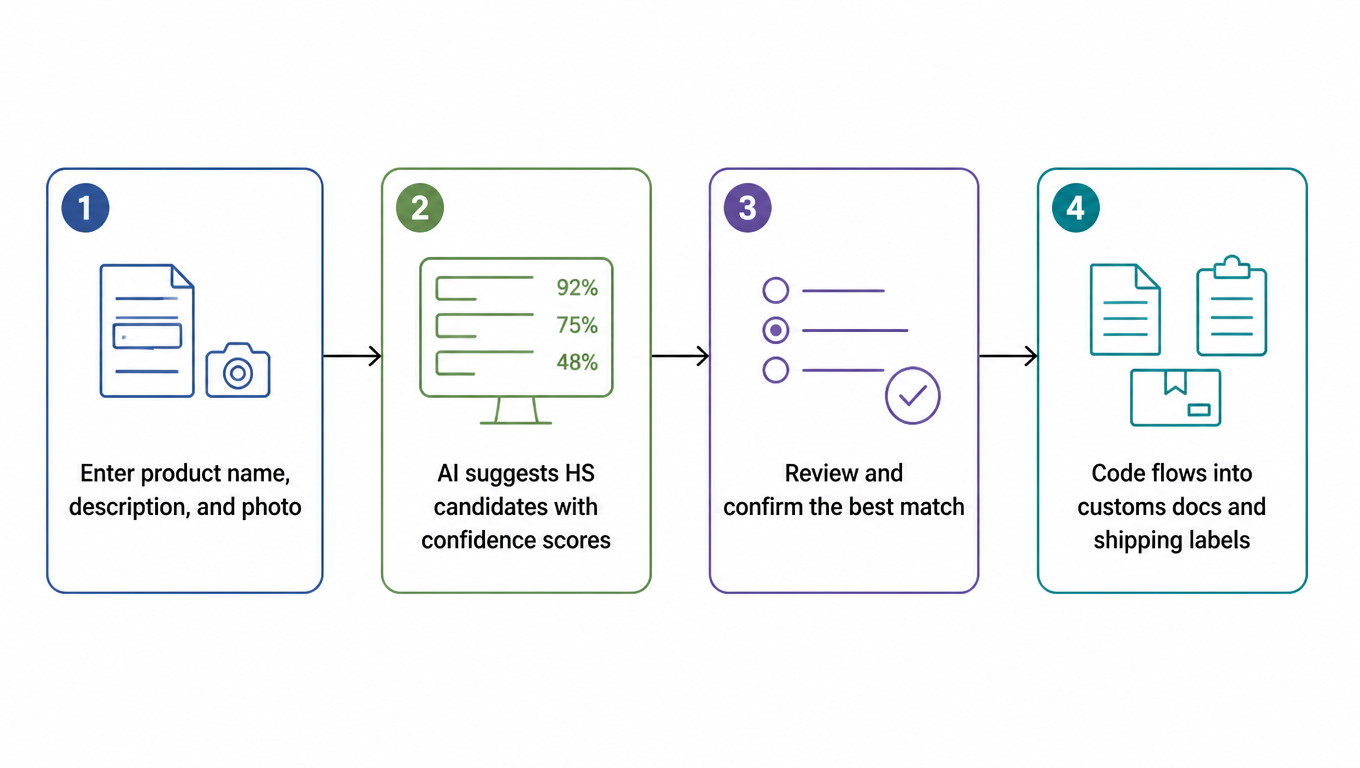
This is precisely where automation earns its place. Instead of reading GRI rules and Explanatory Notes for every SKU, you describe the product, add a photo, and an AI classifier returns candidate codes with confidence scores in seconds. The result is the same answer the rules would produce, without the afternoon of research. And because the tool is built into the shipping workflow, the code rides along automatically into the customs documents, so the answer and the paperwork happen in one step.

7. Skip the Guesswork: Auto-Classify with Our Platform

This is the part where the guesswork ends. Our platform classifies products from a simple description and a product image: you enter what the item is, and the AI matches it against the tariff schedules to return the best HS candidates, each with a confidence score so you can see exactly why a code was chosen.

Coverage spans the schedules that actually matter to cross-border sellers: the U.S. HTS for imports, Schedule B for exports, plus the EU, China, and other major markets. The national extensions are handled automatically, so the same product description yields the correct code whether you are shipping to Los Angeles, London, or Shenzhen. You never need to remember which country adds which digits.

The classifier is embedded directly in the shipping workflow, not bolted on as a separate website. Once you confirm the code, it flows into the commercial invoice, the customs declaration, and the shipping labels with the rest of the shipment data. Nothing gets retyped, and nothing gets dropped between systems.

Auto-classification flow: enter product name, description, and photo, AI suggests HS candidates with confidence scores, review and confirm the best match, the code flows into customs docs and shipping labels

A human review step stays in the loop, so the final filing is always confirmed before it ships. Try it on your next shipment. No tariff expertise required, and the code you get is the code customs expects to see.

Frequently Asked Questions

Do all countries use the same HS code?

The first six digits are identical worldwide, because they come from the international HS maintained by the WCO. Countries then add their own digits for tariff and statistical purposes, so an 8- or 10-digit code from one country may not exist in another. Compare on the six-digit level; file on the national level.

What happens if I use the wrong HS code?

Duties get miscalculated, clearance slows down while customs investigates, and penalties can follow if the mistake looks intentional. In serious cases the shipment is held, and repeated errors can trigger audits. Under U.S. law, civil penalties are calculated against the value of the merchandise and scale with intent, so the cost grows with the size of your shipments.

How often is the HS updated?

The WCO revises the Harmonized System every five years. The current edition is HS 2022, and the next one, HS 2027, takes effect on January 1, 2027. After each revision, national schedules update too, which is why codes you verified years ago deserve a re-check.

Do I need an HS code for every shipment?

Yes. Every international shipment needs an HS code on its commercial invoice and customs declaration, whether it is a parcel or a container. Getting them right from the start is what keeps shipments moving and duty bills accurate.

Ready to stop guessing on HS codes?

easyshippingx classifies your products from a description and photo, returning HS candidates with confidence scores across the U.S. HTS, Schedule B, the EU, China, and other major markets. The code flows straight into your customs documents and shipping labels. Get it right, starting with your next shipment.