物流指南Shipping Guide

美国物流签收证明(Proof of Delivery)完全指南:各家形态、费用与“Proof Photo”骗局US Proof of Delivery (POD) Complete Guide: Carrier Formats, Fees, and the “Proof Photo” Package Scams

在网上买了东西,页面显示“Delivered”,你打开门却什么都没有。这种时刻,签收证明(Proof of Delivery,简称 POD)就是唯一的裁判。对卖家来说,它是应对“我没收到”纠纷的护身符;对买家来说,它可能是一张证明包裹确实到过你家门口的“铁证”,也可能是一张被滥用的照片。You order something online, the page says “Delivered,” and nothing is at your door. In moments like this, proof of delivery (POD) is the only referee. For sellers it is the shield against “I never got it” disputes. For buyers it can be hard proof that a package really did reach your doorstep, or it can be a photo that gets abused.

一份合格的签收证明,通常包含送达时间、送达地点、收件人姓名、签名或照片,以及 GPS 坐标。不同的承运商,给出的 POD 形态完全不同:有的只有一行扫描记录,有的附赠一张门廊照片,有的保存了收件人的电子签名。这篇文章把美国主流物流服务商的签收证明挨个讲透:每家支持什么、长什么样、要不要钱,然后专门拆解围绕签收照片衍生的四类骗局,最后给出卖家和买家各自的自保清单。A proper proof of delivery usually includes delivery time, delivery location, recipient name, a signature or photo, and GPS coordinates. Every carrier presents POD differently: some give you a single scan record, some throw in a porch photo, some keep the recipient's electronic signature. This guide walks through the major US carriers one by one: what each one supports, what its POD looks like, and whether it costs money. Then it breaks down the four scam patterns that have grown up around delivery photos, and closes with separate protection checklists for sellers and buyers.

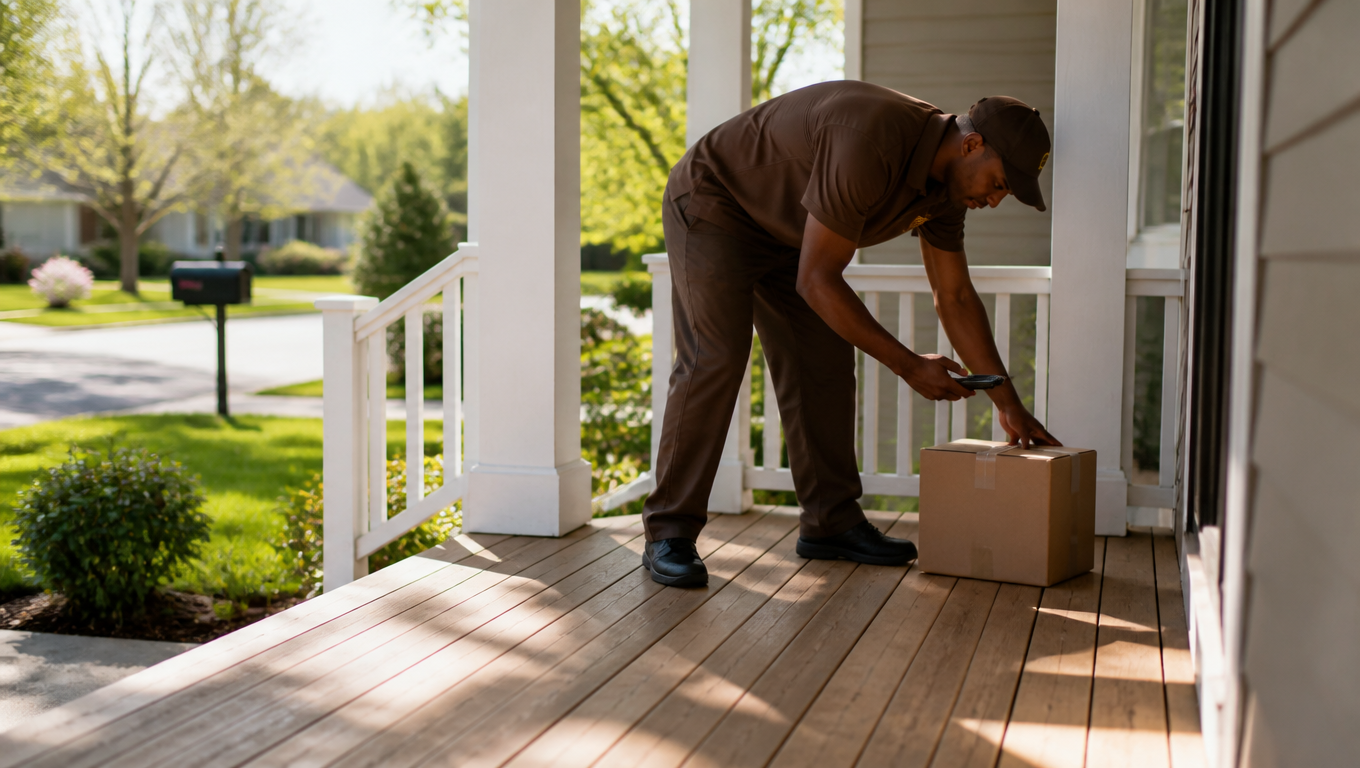
A delivery driver setting a cardboard box on a suburban US porch while photographing it with a phone

1. USPS:没有签名就没有“签收证明”1. USPS: No Signature, No “Proof of Delivery”

绝大多数 USPS 包裹,没有签名,也没有照片。普通 First-Class、Priority 和 Ground 包裹的“Delivered”状态,只是快递员在手持终端上的一次扫描,附带一组 GPS 坐标。USPS 官方声称这些坐标可以精确到 6 英尺(约 1.8 米)半径内,能定位到包裹放在前门、后门还是侧廊,但没有收件人签名,也没有送达照片。Most USPS packages have no signature and no photo. For ordinary First-Class, Priority, and Ground parcels, “Delivered” is just a scan the carrier makes on a handheld device, with a set of GPS coordinates attached. USPS says those coordinates are accurate to within 6 feet (about 1.8 meters), which can show whether the package was left at the front door, the back door, or the side porch. What it cannot show is a recipient signature or a photo of the delivery.

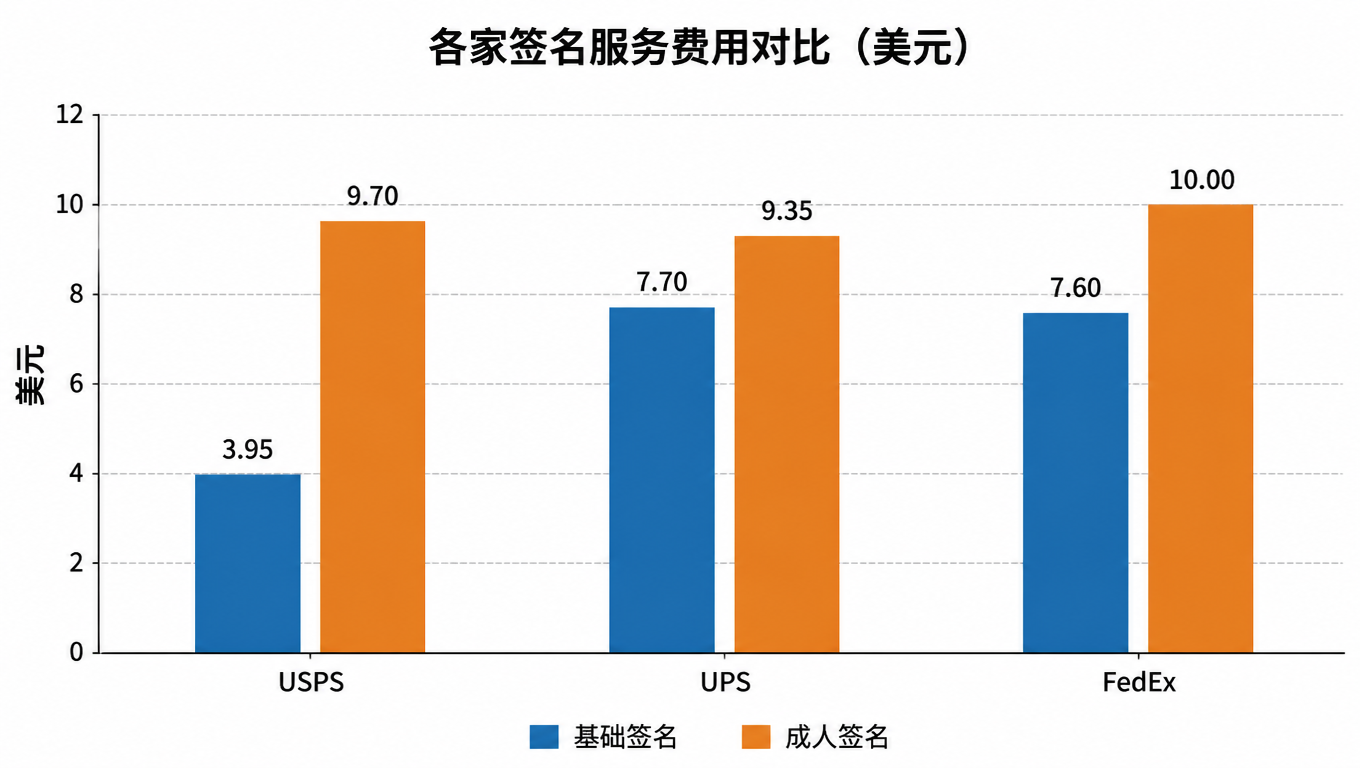
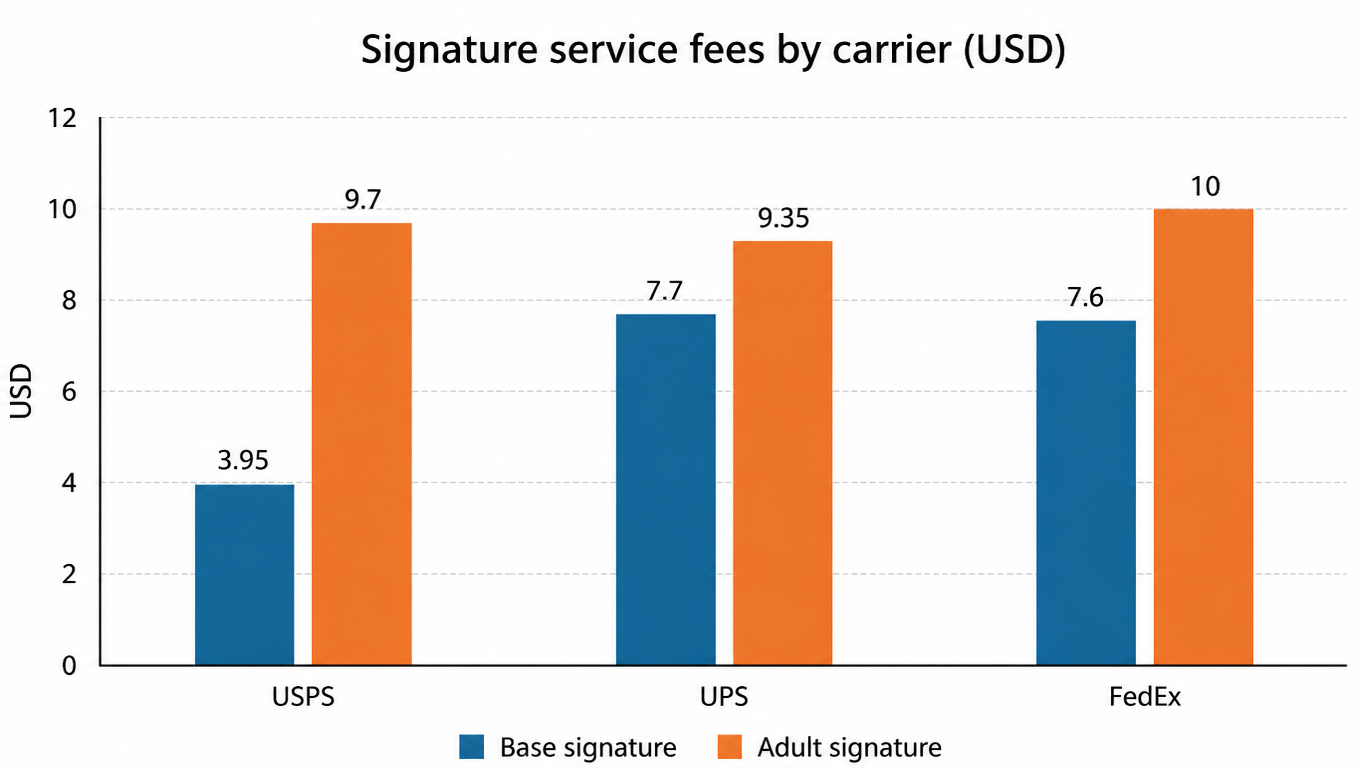
想要真正意义上的签收证明,你需要购买签名服务。Signature Confirmation(签收确认)是最基础的选项,线上购买约 $3.95,柜台购买约 $4.95,快递员会当场索取收件人签名,并在系统中留存,费率以 USPS 官方页面为准。Restricted Delivery 则更进一步,限定只有指定收件人或其授权人才能签收。如果包裹价值高、需要成年人亲自签收,Adult Signature Required 约 $9.70。以上是 2025 年的费率,实际以 USPS 官网当日报价为准。If you want an actual signature record, you pay for it. Signature Confirmation is the base option, about $3.95 online or $4.95 at the counter. The carrier asks the recipient to sign on the spot and keeps the signature in the system, per the USPS official page. Restricted Delivery goes a step further: only the named recipient or their authorized designee can sign. For high-value parcels that must be handed to an adult in person, Adult Signature Required runs about $9.70. Those are 2025 rates, and the USPS website's current quote wins on any given day.

这里要特别提醒:USPS 的 Informed Delivery(知情投递)经常被误当成签收证明。它每天给你发一封含邮件照片预览的邮件,但那是“邮件即将到达”的预告,不是“已经签收”的证据,在纠纷里没有任何效力。One common mix-up is worth flagging: Informed Delivery gets mistaken for proof of delivery all the time. It emails you a preview photo of your mail each day, but that is a “your mail is coming” notice, not a “signed for and delivered” record, and it carries no weight in a dispute.

没有签名、没有照片,意味着 USPS 的 POD 只有一行扫描时间和一组坐标,这正是纠纷高发的根源。Reddit 上有过一个典型帖子:买家坚称包裹从未送达,卖家调取 GPS 记录后发现,快递员早上 7:41 就扫描了“已送达”,但下午 1 点才出现在收货地址楼下,而且系统里的签名是快递员自己代签的。坐标与时间对不上,虚假扫描当场现形。No signature, no photo, means a USPS POD is a scan timestamp plus a set of coordinates. That is exactly why disputes pile up here. There is a classic Reddit thread: the buyer swore the package never arrived, and the seller pulled the GPS record to find the carrier had scanned “Delivered” at 7:41 AM but only showed up at the building at 1 PM, and the signature in the system was the carrier's own. The coordinates and the timestamps did not line up, and the fake scan fell apart on the spot.
2. UPS:默认送达记录 + 可选签名2. UPS: Delivery Record by Default, Signature as an Option

UPS 的默认策略和 USPS 不同:即使没有购买签名服务,UPS 也会记录每一次送达的准确时间和 GPS 落点(前门、后门、车库、收发室等位置标签)。你在官网输入追踪号,就能看到“Delivered”的具体时间戳和投递位置描述。UPS's default is different from USPS. Even without any signature service, UPS records the exact delivery time and the GPS drop point for every delivery, with a location label such as front door, back door, garage, or mailroom. Enter a tracking number on the website and you can see the precise “Delivered” timestamp and where it was placed.

需要签名时,UPS 提供两个付费附加项:Signature Required(约 $7.70)要求任何形式的签名;Adult Signature Required(约 $9.35)要求 21 岁以上的成年人出示证件后签收,适用于酒类、烟草等限制商品。When you need a signature, UPS sells two add-ons: Signature Required (about $7.70) for any signature at all, and Adult Signature Required (about $9.35) for a recipient 21 or older who shows ID, meant for alcohol, tobacco, and other restricted goods.

UPS 的 Proof of Delivery 报告是最完整的一档:企业账户可以在官网或通过 API 调取,包含收件人签名图片、送达时间、地址和投递位置标签。个人用户也能在追踪页面看到部分信息。The UPS Proof of Delivery report is the fullest tier. Business accounts can pull it from the portal or via API, and it includes the signature image, delivery time, address, and drop-point label. Individual users see a good chunk of it on the tracking page too.

另外,收件人可以使用 UPS My Choice 免费注册,收到送达通知、实时改派到就近网点或指定时间窗口,从源头减少“人不在家导致包裹滞留”的纠纷。On the receiving side, UPS My Choice is free to sign up for. You get delivery notifications and can redirect a package to a nearby access point or a chosen time window, which removes a whole class of “nobody was home, package sat outside” disputes before they start.

3. FedEx:Delivery Manager 与三档签名3. FedEx: Delivery Manager and Three Signature Tiers

FedEx 把签收做成了三档,理解这三档的区别,基本就理解了美国快递签收体系。第一档是间接签名(Indirect Signature),快递员可以把包裹放在门口,但必须由某人确认接收,相当于门廊代签;第二档是直接签名(Direct Signature),必须由收件人或其授权人当面签收,快递员会核对姓名;第三档是成人签名(Adult Signature),要求年满 21 岁并出示带照片的身份证件。FedEx splits signatures into three tiers, and understanding them is most of what there is to understand about US signature delivery. Tier one is Indirect Signature: the driver may leave the package at the door, but someone has to confirm receipt, effectively a porch proxy signature. Tier two is Direct Signature: the recipient or an authorized person must sign in person and the driver checks the name. Tier three is Adult Signature: the recipient must be 21 or older and show a photo ID.

费用上,2026 年直接和间接签名都是约 $7.60,成人签名约 $10。这里有一个很多卖家不知道的规则:FedEx 对申报价值达到或超过 $500 的包裹,自动免费附赠直接签名服务,见 FedEx 申报价值说明。也就是说,贵重货走 FedEx 时你其实已经“免费”获得了一档签收保护,申报价值记得如实填写。On fees, direct and indirect signatures both run about $7.60 in 2026, and Adult Signature about $10. Here is the rule many sellers miss: FedEx automatically includes Direct Signature at no extra charge on any shipment with a declared value of $500 or more, per the FedEx declared value page. So when you ship something expensive with FedEx, you already have a signature tier for free, as long as you declare the value honestly.

FedEx Delivery Manager 是收件人侧的免费工具,送达照片、签名、GPS 位置和具体时间在同一屏展示。对企业账户,FedEx 还提供完整的 POD 报告,可追溯每一票的签收证据。FedEx Delivery Manager is the free recipient-side tool where photo, signature, GPS location, and exact time all show on one screen. Business accounts can also pull full POD reports and trace the signature evidence for every shipment.

一句话总结:FedEx 是三巨头里 POD 形态最丰富、默认信息最透明的,也是唯一把“申报价值”和“签名保护”挂钩的承运商。In one line: FedEx gives the richest POD of the big three, the most transparent default data, and it is the only carrier that ties declared value to signature protection.

4. Amazon:Flex 拍照送达的双刃剑4. Amazon: The Double-Edged Sword of Flex Photo Delivery

亚马逊自营物流(Amazon Logistics,派送员即 Amazon Flex 司机)的签收方式是拍照:快递员把包裹放到门口,拍一张照片上传,系统自动标记“已送达”,买家在 App 里能看到这张照片。Amazon's own delivery network (Amazon Logistics, driven by Amazon Flex) proves delivery with a photo: the driver sets the package down at the door, snaps a picture, uploads it, and the system marks the order delivered. The buyer sees the photo in the app.

对第三方卖家来说,这张照片是目前所有承运商里最强的“已送达”证据:它直接证明包裹出现在收货地址,买家再 claim 未收到,卖家可以拿着照片应诉。但双刃剑的另一面是,Flex 司机素质参差,拍糊、拍到别人家门廊、甚至“随手一扔”的投诉案例并不少见,照片有时反而成了买家投诉“包裹被乱丢”的证据。For third-party sellers, that photo is the strongest “delivered” evidence any carrier produces: it directly shows the package at the delivery address, so when a buyer claims non-receipt, the seller can answer with the picture. The other edge of the blade is driver quality. Flex drivers vary, and complaints about blurry photos, photos of the neighbor's porch, or packages flung onto the doorstep are common enough that the photo sometimes becomes evidence for “my package was thrown” complaints instead.

对买家而言,照片 + 门廊的组合意味着风险转移:系统认为你已经“收到”了,之后的丢失、被盗、损坏,亚马逊的赔付态度明显更保守,投诉渠道也比 UPS/FedEx 少。For buyers, the photo-plus-porch combination means the risk has shifted: the system considers the order received, Amazon's payout posture on lost, stolen, or damaged items gets noticeably stingier, and there are fewer complaint channels than with UPS or FedEx.

还要注意一个信息差:亚马逊不对第三方卖家开放 UPS/FedEx 那种级别的 POD 报告,纠纷时的证据链条全靠截图,卖家应该养成“送达后立刻保存追踪截图”的习惯。One more information gap to note: Amazon does not give third-party sellers a POD report like UPS or FedEx does. The evidence chain in a dispute is whatever screenshots you kept, so make “save the tracking screenshot the moment it shows delivered” a habit.

5. 区域快递:OnTrac、Veho 等5. Regional Carriers: OnTrac, Veho, and Others

区域快递是美国市场被巨头忽视的第三极,价格普遍比三大巨头更低,签收方式通常也是“拍照 + GPS”。Regional carriers are the third pole of the US market that the big three would rather you forget. Prices are generally lower, and the delivery proof is usually “photo plus GPS” as well.

OnTrac 是美西最具代表性的区域网络(已与东海岸的 LaserShip 合并),主打电商最后一公里,免签送达,每票都拍照并记录 GPS,费用低于巨头,适合西海岸高频、低客单的电商件。OnTrac is the best-known regional network in the West (it has merged with East Coast carrier LaserShip). It focuses on e-commerce last mile, delivers without requiring signatures, photographs every delivery, records GPS, and costs less than the big three, which suits high-frequency, low-order-value e-commerce parcels on the West Coast.

Veho 是新一代区域快递的代表,定位“体验优先”:拍照送达之外,还要求记录收件人姓名确认,App 端收件人实时可见派送进度,也支持按时间窗预约。它的 POD 规范和 UPS/FedEx 同级,但覆盖区域有限,主要集中在美国东西海岸的部分都市圈。Veho is the face of the new generation of regional carriers, positioning on experience: photo delivery, plus a recipient-name confirmation, real-time progress visible to the recipient in the app, and scheduled time windows. Its POD standards are on par with UPS and FedEx, but its footprint is limited, mostly concentrated in metro areas on the East and West Coasts.

跨境卖家还常遇到 UniUni(美加境内网络)和 GOFO(美西/加州区域派送)这类服务商,它们的 POD 形态与 OnTrac 类似:拍照 + GPS + 免签。选择区域快递时,先查清楚覆盖区域是否包含你的主力收货州,再对比 POD 规范度和费率,别只看单价。Cross-border sellers will also run into carriers like UniUni (US and Canada domestic network) and GOFO (West Coast / California regional delivery). Their POD looks like OnTrac's: photo, GPS, no signature. When you evaluate a regional carrier, check first whether its coverage includes your main receiving states, then compare POD discipline and rates. Do not pick on sticker price alone.

6. 费用对比与选择决策6. Fees and the Decision Framework

先看一张速查表:USPS 基础签名 $3.95 起(柜台 $4.95,成人签名约 $9.70);UPS Signature Required $7.70,Adult Signature $9.35;FedEx 直接/间接签名 $7.60,成人签名 $10。可以看到,USPS 的基础签名最便宜,但形态最弱(只有签名、没有照片);FedEx 最贵一档封顶 $10,但配套的 Delivery Manager 和 POD 报告最完整。Here is the quick reference: USPS base signature from $3.95 (counter $4.95, adult about $9.70); UPS Signature Required $7.70 and Adult Signature $9.35; FedEx direct/indirect signature $7.60 and Adult Signature $10. USPS's base signature is the cheapest, but it is also the weakest form (signature only, no photo). FedEx tops out at $10, but it brings the fullest Delivery Manager and POD report package.

承运商Carrier 基础签名Base signature 成人签名Adult signature
USPS$3.95 起(柜台 $4.95)From $3.95 ($4.95 counter)约 $9.70About $9.70
UPSSignature Required 约 $7.70Signature Required about $7.70约 $9.35About $9.35
FedEx间接/直接签名约 $7.60Indirect/Direct about $7.60约 $10About $10
各家签名服务费用对比(美元):USPS 基础 3.95 成人 9.7,UPS 基础 7.7 成人 9.35,FedEx 基础 7.6 成人 10Signature service fees by carrier (USD): USPS base 3.95 adult 9.7, UPS base 7.7 adult 9.35, FedEx base 7.6 adult 10

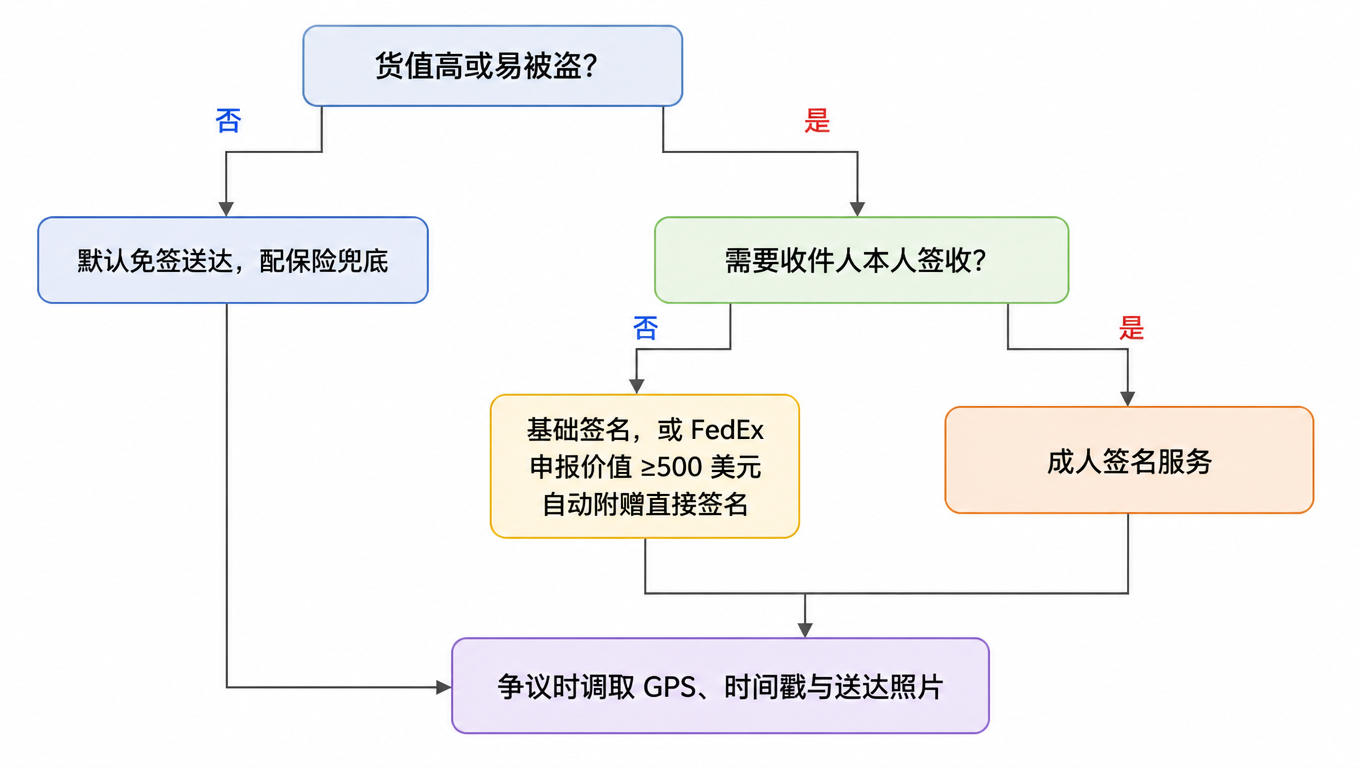
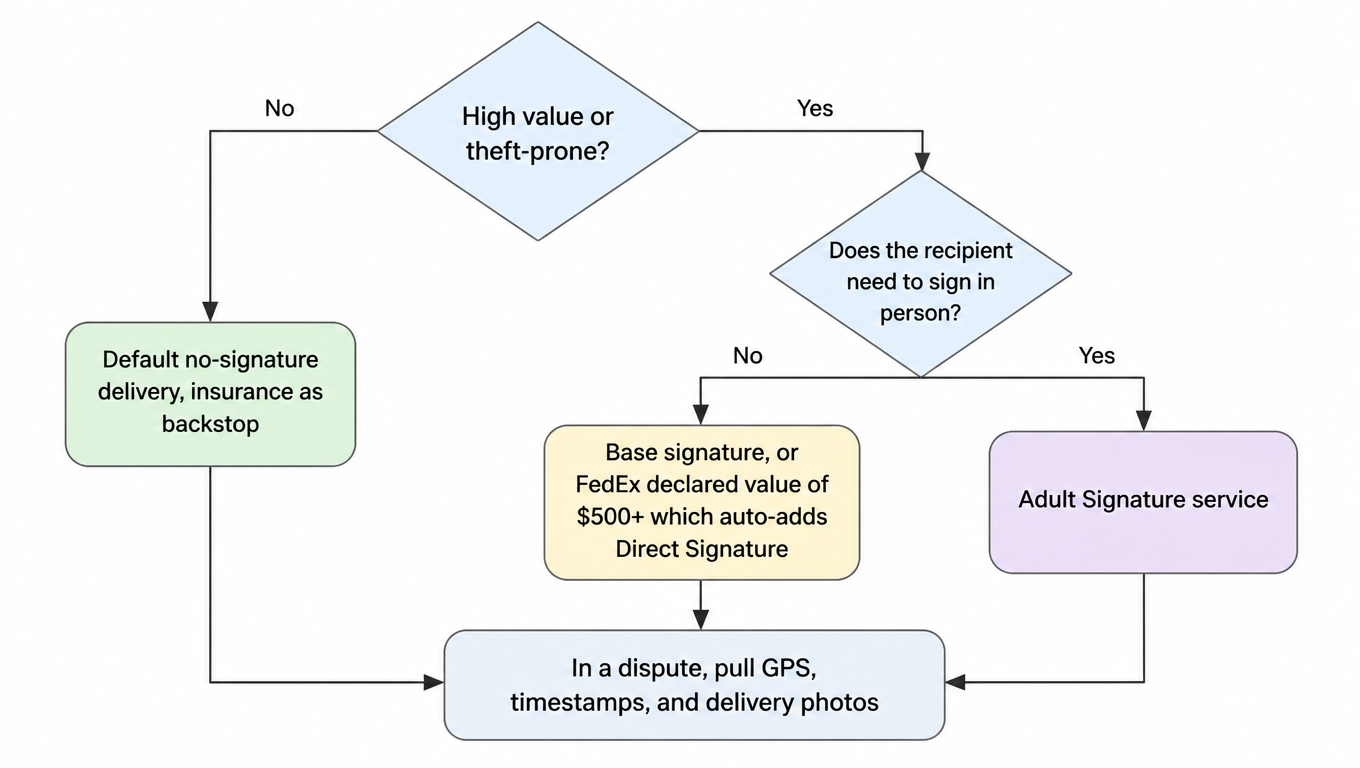
那么问题来了:什么样的货值得花钱买签名?判断标准只有两个:货值高不高,容不容易被盗或产生争议。高价值电子产品、奢侈品、限量款,签名服务那几美元几乎必然回本;低价小商品则完全没必要,UPS/FedEx 默认的 GPS 记录已经够用。决策逻辑可以走下面这棵决策树:So which shipments are worth paying for a signature? There are only two tests: is the value high, and is it likely to be stolen or disputed? High-value electronics, luxury goods, and limited drops almost always earn back the few dollars a signature costs. Cheap small items do not need it; the default GPS record from UPS or FedEx is enough. The logic runs through the decision tree below:

签名服务选择决策树:货值高或易被盗?否走默认免签加保险;是再看是否需要本人签收,否走基础签名或 FedEx 申报价值满 500 美元,是走成人签名Signature decision tree: high value or theft-prone? No: default no-signature delivery plus insurance. Yes: does the recipient need to sign in person? No: base signature or FedEx declared value of $500+ adds Direct Signature free. Yes: Adult Signature

不想买签名的时候,还有三张替代牌。一是承运商保险,货值高的买运输保险,损坏丢失直接理赔;二是平台政策,亚马逊 A-to-Z、eBay 的卖家保护条款,在“追踪显示已送达”时会偏向卖家;三是发货前告知,在商品页写明“快递可能放在门口,贵重物品请备注需签收”,把选择权交给买家。If you skip signatures, you still have three cards to play. One is carrier insurance: for high-value goods, buy transit insurance and file a claim directly for damage or loss. Two is platform policy: Amazon A-to-Z and eBay's seller protection lean toward the seller when tracking shows delivered. Three is telling the buyer in advance: put “delivery may be left at the door, note if you require a signature” on the product page and hand the choice to the customer.

最后补一个背景数据:据 Security.org 统计,2024 年约有 5800 万美国人遭遇过包裹被盗,过去一年内被盗过的比例从 2022 年的 21% 上升到 2024 年的 25%。门廊失窃正在成为常态,这正是签收证明变得越来越重要的原因。One background number to close this section: Security.org reports that about 58 million Americans experienced package theft in 2024, and the share of people hit within the past year rose from 21% in 2022 to 25% in 2024. Porch theft is becoming the norm, which is exactly why proof of delivery matters more every year.

7. “Proof Photo” Package Scam:四种骗局形态7. The “Proof Photo” Package Scams: Four Patterns

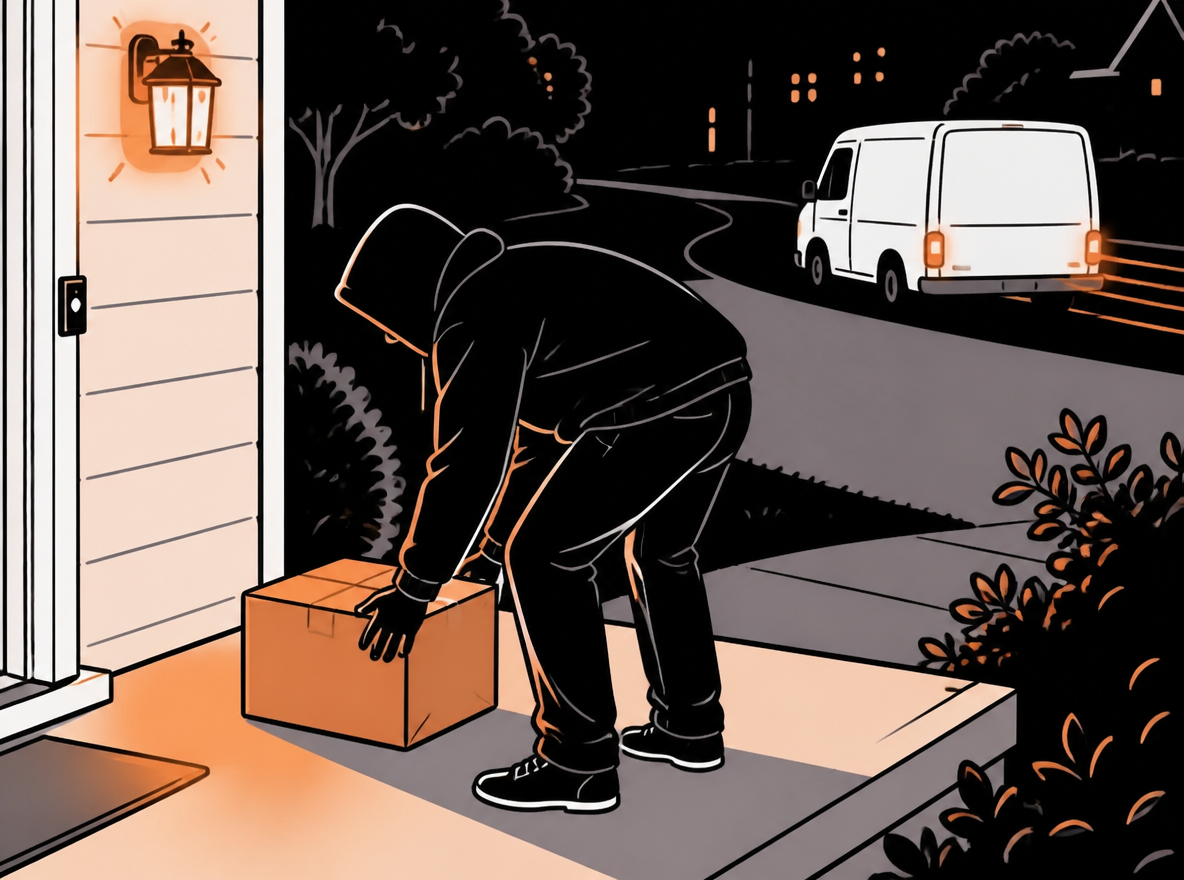
A hooded figure taking a cardboard box from a suburban porch at night as a delivery van pulls away

现在进入本文最重要的一部分:围绕“签收照片”(Proof Photo)衍生出的四类骗局。它们共同的特点是都在“已送达”与“没收到”之间制造模糊地带,让照片从证据变成争议本身。Now to the most important part of this guide: the four scam patterns built around the delivery photo, or “proof photo.” They all share one trick, creating a gray zone between “delivered” and “never received” so that the photo stops being evidence and becomes the dispute itself.

A 型:有照片仍然 claim 未收到(重点)。Pattern A: Photo on file, claim of non-receipt anyway (the big one). 这是卖家最常遇到的一种:买家确实收到了包裹,门廊照片拍得清清楚楚,但买家仍然发起“未收到货”(Item Not Received,INR)投诉或信用卡拒付(chargeback),平台往往倾向退款了事。这不是个例:行业数据显示 friendly fraud(友好欺诈,即买家本人发起的欺诈性拒付)已占电商欺诈的约 36%,而 INR 是 chargeback 最大的驱动因素之一。识别要点:买家账号是新号、收货后立刻投诉、拒付理由与事实明显不符。应对要点:第一时间把带时间戳的送达照片和 GPS 记录提交给平台。This is what sellers hit most: the buyer did receive the package, the porch photo is clear, and the buyer still files an Item Not Received (INR) complaint or a credit card chargeback, and platforms often refund to make it go away. This is not an edge case. Industry data puts friendly fraud (fraudulent chargebacks filed by the buyer themselves) at about 36% of e-commerce fraud, and INR is one of the biggest chargeback drivers. How to spot it: a fresh buyer account, a complaint filed immediately after delivery, or a chargeback reason that clearly contradicts the facts. How to answer it: submit the timestamped delivery photo and GPS record to the platform the moment the claim appears.

B 型:假照片 / 错投照片(重点)。Pattern B: Fake photos / misdelivery photos (the big one). 照片确实是“证据”,但照片本身有问题:拍到的是邻居家的门廊、照片里的门牌号与地址不符、快递员把包裹随手一扔只拍了个角落,或者系统里的签名是快递员代签的(呼应第一章那个 7:41 的案例)。这种骗局的受害者其实是买家,卖家收到退款,错在快递员。识别要点:对比照片里的门牌号、门垫颜色、门口植物是否与自家一致;签名字迹是否与本人不符。The photo is real evidence, but the photo itself is wrong: it shows the neighbor's porch, the house number in the picture does not match the address, the driver tossed the package and photographed a corner of it, or the signature in the system was signed by the driver (remember the 7:41 AM case in Section 1). Here the victim is usually the buyer, the seller gets refunded, and the fault sits with the driver. How to spot it: compare the house number, doormat color, and plants in the photo against your own front door, and check whether the signature matches your handwriting.

C 型:门廊盗窃(Porch Piracy)。Pattern C: Porch piracy. 照片证明包裹确实送到了,但几分钟后就被 porch pirate 顺走。责任在谁?承运商已完成“送达”义务,卖家没有过错,买家又没有签收,最终往往由卖家承担损失,除非及时索赔。识别要点:照片时间与“包裹不见”时间高度重合,邻居摄像头常能拍到整个过程。The photo proves the package was delivered, and a porch pirate took it minutes later. Who is at fault? The carrier completed its delivery obligation, the seller did nothing wrong, and the buyer never signed, so the loss usually lands on the seller unless a claim is filed quickly. How to spot it: the photo timestamp and the “package is gone” moment line up closely, and a neighbor's camera often captures the whole thing.

D 型:钓鱼短信 / 邮件。Pattern D: Phishing texts and emails. 这是唯一不涉及真实包裹的骗局:骗子冒充 UPS/FedEx/USPS,发来“您的包裹已签收,点击查看签收照片”或“派送异常,点击重新安排”的短信或邮件,链接指向钓鱼页面,诱导输入账号密码或信用卡信息。识别要点:正规快递的通知从不要求你点击链接输入敏感信息,域名可疑、语气催促、短信发件号码是 +1 开头的私人号码,都是红旗。This is the only pattern with no real package at all. Scammers impersonate UPS, FedEx, or USPS and send “your package was signed for, click to view the delivery photo” or “delivery exception, click to reschedule” messages. The link leads to a phishing page that harvests account passwords or credit card numbers. How to spot it: a legitimate carrier notification never asks you to click a link and enter sensitive information. Suspicious domain, urgent tone, and a sender number that is a +1 personal mobile number are all red flags.

8. 卖家与买家自保指南8. Protection Playbooks for Sellers and Buyers

给卖家:For sellers: 按货值选择签名档位,贵重商品至少加购基础签名;FedEx 用户如实申报价值,≥$500 自动附赠直接签名。发货前核对地址,公寓、门廊暴露等高争议地址主动升级签收档位。纠纷发生时先调取 POD:UPS/FedEx 企业账户可在线拉取含签名图片的报告,USPS 只能靠扫描时间戳和 GPS 坐标,连同发货记录、包裹重量、追踪截图一次性提交平台。有送达照片的 case,把照片时间、地点与买家 claim 的漏洞逐条对照;没有照片的 case,强调 GPS 坐标精度和承运商官方扫描记录。如果确认是快递员错投或代签,直接向承运商开 case 追责索赔,不要自己默默退款。Pick a signature tier by parcel value, and add at least the base signature for expensive goods. If you ship FedEx, declare value honestly, and shipments of $500 or more get Direct Signature free. Verify the address before shipping, and upgrade the signature tier proactively for apartments and exposed-porch addresses that attract disputes. When a dispute hits, pull the POD first: UPS and FedEx business accounts can pull the report with the signature image online, while USPS leaves you with scan timestamps and GPS coordinates. Submit the shipping record, package weight, and tracking screenshots to the platform in one batch. For cases with a delivery photo, line up the photo's time and location against every hole in the buyer's claim. For cases without one, lean on GPS coordinate accuracy and the carrier's official scan record. If the driver misdelivered or signed for the parcel, open a case with the carrier and pursue a claim rather than quietly refunding.

给买家:For buyers: 学会识别假签收的五个信号:照片里的门牌号不是你家、签名字迹与你本人不符、送达时间你根本不在家、照片里的包裹与商品形状对不上、追踪显示“已送达”但门口什么都没有。家里有门铃摄像头是最好的反击武器,既能反驳“没收到”的误判,也能在包裹被盗时拍下 porch pirate 的正脸。包裹真的被盗,先报警拿到案件编号,再走卖家或平台索赔,贵重物品可向承运商追责;收到诈骗短信或邮件,截图后向 FTC 举报。最后,分清“真没送到”和“快递员违规”:前者是卖家或承运商的责任,后者(错投、代签、乱扔)可以要求承运商启动调查并索赔。Learn the five signals of a fake delivery: the house number in the photo is not yours, the signature does not match your handwriting, the delivery time was a moment you were not home, the parcel in the photo does not match what you ordered, or tracking says delivered and nothing is at the door. A doorbell camera is the best counter-weapon: it refutes a mistaken non-delivery and catches the porch pirate's face when a package is stolen. If a package really is stolen, file a police report for the case number first, then claim through the seller or platform, and go after the carrier for high-value items. For phishing texts or emails, screenshot and report them to the FTC. And keep one distinction straight: “never actually delivered” is the seller's or carrier's responsibility, while “driver violated the rules” (misdelivery, fake signature, tossed package) is grounds to demand the carrier open an investigation and pay out.

常见问题FAQ

先核对送达照片、GPS 位置和时间戳,问邻居,查门铃摄像头。确认没送到后,向卖家或平台发起“未收到”索赔;如果照片显示错投或快递员代签,属于承运商违规,直接向承运商开 case 并索赔。门铃摄像头的录像是最有力的证据。First check the delivery photo, GPS location, and timestamp, ask neighbors, and review your doorbell camera. If it truly did not arrive, file a non-receipt claim with the seller or platform. If the photo shows a misdelivery or the driver signed for it, that is a carrier violation, so open a case with the carrier and claim. Doorbell camera footage is the strongest evidence you can produce.
普通包裹的“Delivered”只有扫描记录和 GPS 坐标,没有签名和照片。需要真正签收证明时,要购买 Signature Confirmation(约 $3.95 起)或 Adult Signature Required(约 $9.70)。Informed Delivery 的邮件照片预览只是预告,不是签收证明。For ordinary parcels, “Delivered” is just a scan record with GPS coordinates, with no signature or photo. For an actual signature record, buy Signature Confirmation (from about $3.95) or Adult Signature Required (about $9.70). Informed Delivery's mail preview photo is a notice, not proof of delivery.
USPS 基础签名 $3.95 起(柜台 $4.95)、成人签名约 $9.70;UPS Signature Required 约 $7.70、Adult Signature 约 $9.35;FedEx 间接/直接签名约 $7.60、成人签名约 $10。FedEx 对申报价值 ≥$500 的包裹自动免费附赠直接签名。USPS base signature from $3.95 ($4.95 at the counter) and Adult Signature about $9.70; UPS Signature Required about $7.70 and Adult Signature about $9.35; FedEx Indirect/Direct Signature about $7.60 and Adult Signature about $10. FedEx includes Direct Signature free on any shipment with a declared value of $500 or more.
能,这正是“Proof Photo”骗局的核心:买家收到包裹后仍发起 INR 投诉或信用卡拒付,friendly fraud 已占电商欺诈的约 36%。卖家的应对是第一时间提交带时间戳的送达照片和 GPS 记录,并保存完整的追踪截图证据链。Yes, and that is the core of the “proof photo” scam: a buyer receives the package and still files an INR complaint or credit card chargeback. Friendly fraud already accounts for about 36% of e-commerce fraud. The seller's answer is to submit the timestamped delivery photo and GPS record immediately and keep a complete tracking screenshot trail.
技术上可能,但这不代表操作合规。免签包裹无需当面交接,司机把包裹放到获准位置后扫描就算完成送达;如果包裹尚未投放,或者扫描地点不在收货地址,这就是提前扫描或错误扫描。USPS 政策要求在实际送达点完成终止计时扫描,USPS 监察长办公室也曾查到在投递局内完成的虚假“已送达”扫描。先排除时区、通知延迟和家庭成员代收,再要求承运商核查原始扫描类型、时间及地理位置;单独一条公开追踪状态只能证明系统记录过事件,不能证明实物已经交到收件人手中。Technically yes, but that does not make the scan proper. A signature-released parcel needs no person-to-person handoff: delivery is complete once the driver leaves it at an authorized location and records the event. A “delivered” scan made before the drop, or away from the destination, is premature or improper. USPS policy requires its stop-the-clock scan at the actual delivery point, and the USPS Office of Inspector General has documented improper scans made at delivery units. Rule out time-zone display, notification lag, and household receipt, then ask the carrier to review the raw event type, timestamp, and scan geolocation. A public tracking line proves that an event was recorded; by itself, it does not prove physical handoff.
先分清数据清单和实物交接。发货软件完成日结或发送电子清单时,可以把标签标记为“已生成清单”,但这只是数据状态。以 USPS 为例,一张批量交接表单的主条码可关联多票标签;工作人员扫描主条码后,所有关联标签都会生成接受事件,具体机制见 USPS 批量交接表单说明。因此,若某个标签被错误纳入清单、对应纸箱漏装或留在仓内,它仍可能随整批显示“已接受”,却没有到达取件点。排查时对照清单版本与标签清单、仓库最后一次单件扫描、装笼或装车记录、取件交接单,以及之后是否出现单件来件或处理中心扫描。只有后续单件物理扫描才能证明该包裹实际进入了承运商网络。Separate the data closeout from the physical handoff. Shipping software can mark a label manifested when it closes the day or transmits an electronic file; that is a data state. With USPS, for example, one SCAN Form master barcode links many labels, and scanning that form generates an acceptance event for every linked label, as the USPS SCAN Forms documentation explains. If a label was included by mistake, its carton missed the cage, or the parcel remained on a pack bench, it can inherit the batch event without reaching pickup. Reconcile the manifest version and label list against the warehouse's last item-level scan, cage or trailer loading record, pickup receipt, and any later item-level origin or facility scan. A later physical scan of the individual barcode is the stronger evidence that the parcel actually entered the carrier network.
不要靠单一证据定性,要把承运商数据和现场数据按时间对齐。扫描坐标落在投递局或错误地址、照片不是本门牌、签名或收件人不符,且门铃录像在扫描前后连续显示从未有司机到达,支持“虚假扫描或错投”。相反,照片与门口特征、包裹外观和时间一致,扫描位置合理,门铃或楼宇门禁先记录司机投放、随后又记录他人拿走,才支持“送达后失窃”。照片只证明包裹曾出现在画面中,签名只证明有人签过;两者都应与地理位置、时间、门禁和连续录像交叉验证。如果缺少能证明投放或拿走的关键一环,结论应保留为“未能确定”,而不是强行归为盗窃或诈骗。Do not classify the loss from one artifact; align carrier and premises evidence on one timeline. A scan geolocated at the delivery unit or the wrong address, a photo of a different doorway, a mismatched signer, and continuous doorbell footage showing no driver around the scan time support a phantom scan or misdelivery. Theft after delivery is supported when the photo matches the address and parcel, the scan location and time cohere, and doorbell video or building-access records first show the drop and then a different person removing it. A photo proves only that a parcel appeared in a frame; a signature proves only that someone signed. Cross-check both against geolocation, timestamps, access logs, and continuous video. If the chain lacks evidence of either the drop or the removal, record the outcome as undetermined rather than forcing a theft or fraud conclusion.
Get Rate Comparison
Get Rate Comparison