一、为什么 3PL 不能直接套用电商物流 API1. Why 3PLs Can't Just Use a Retail Shipping API
市面上最流行的物流 API 大多是按电商卖家设计的。EasyPost、Shippo、ShipEngine 都是从服务一个商家起家:一个账号、一张费率表、面单打卖家的品牌、跟踪页挂卖家的 logo。这套模型在你自己开店、发自己的订单时没有问题。Most popular shipping APIs were designed for online retailers. EasyPost, Shippo, and ShipEngine all grew up serving one merchant, one account, one rate table, labels in the merchant's brand, and a tracking page with the merchant's logo. That model works when you are shipping your own orders from your own store.
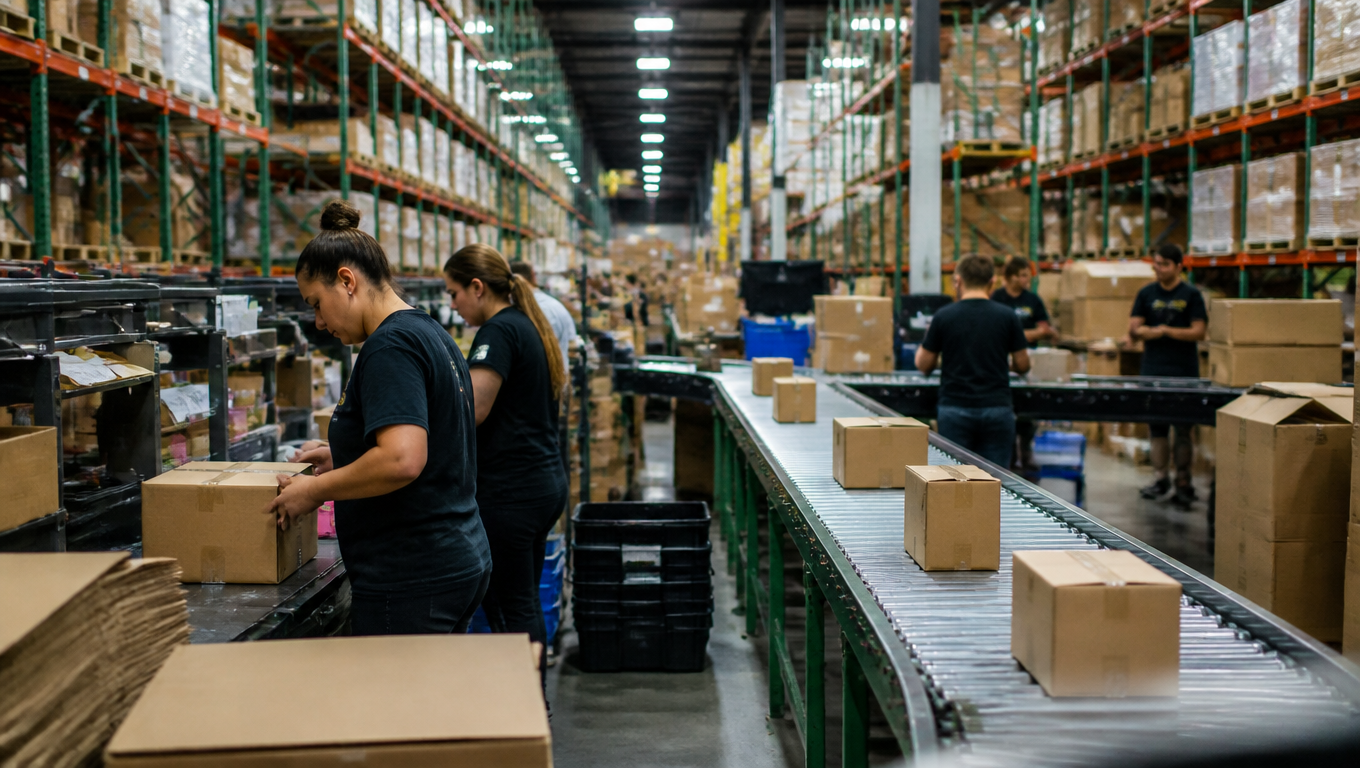
3PL 在三个维度上结构性地不同:货量、客户、费率。3PL 是批量发货,不是一单一单地发;它服务很多客户账号,每一个客户都希望这票货看起来、算起来都像客户自己直发的;它用的是谈出来的合约费率,和零售 API 返回的公开费率不一样,而且往往每个客户一套。A 3PL is structurally different in three ways: volume, clients, and rates. A 3PL ships in high volume and in batches, not order by order. It serves many client accounts, each of which expects the shipment to look and cost as if the client shipped it directly. And it operates on negotiated carrier rates that differ from the published rates a retail API returns, often differently for every client.
这个差异就是 3PL 语境里「多租户」的含义。费率、面单品牌、跟踪页、账单必须按客户拆分。客户 A 的货永远不能暴露客户 B 的合约价;一张发票必须按客户逐项列出费用。当 API 假设只有一个租户时,隔离层、计费层、品牌层都得你的团队自己在平台上搭,而这个平台当初根本没打算承载这些。That difference is what "multi-tenant" means in a 3PL context. Rates, label branding, tracking pages, and billing must be split per client. A shipment for client A must never expose client B's negotiated rate. An invoice must itemize charges per client. When an API assumes a single tenant, your team ends up building the isolation layer, the billing layer, and the branding layer yourself, on top of a platform that was never designed to hold them.
3PL 的工作流长这样:The 3PL workflow looks like this:
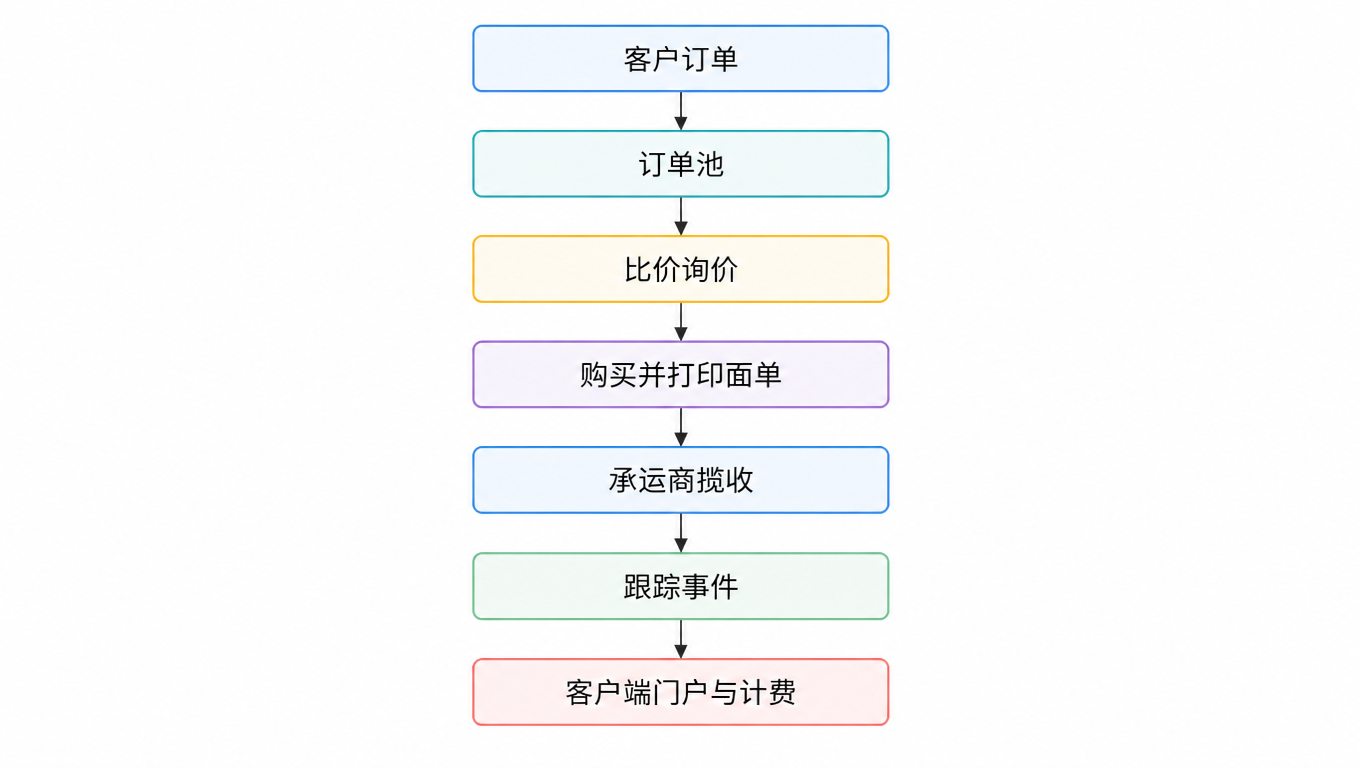
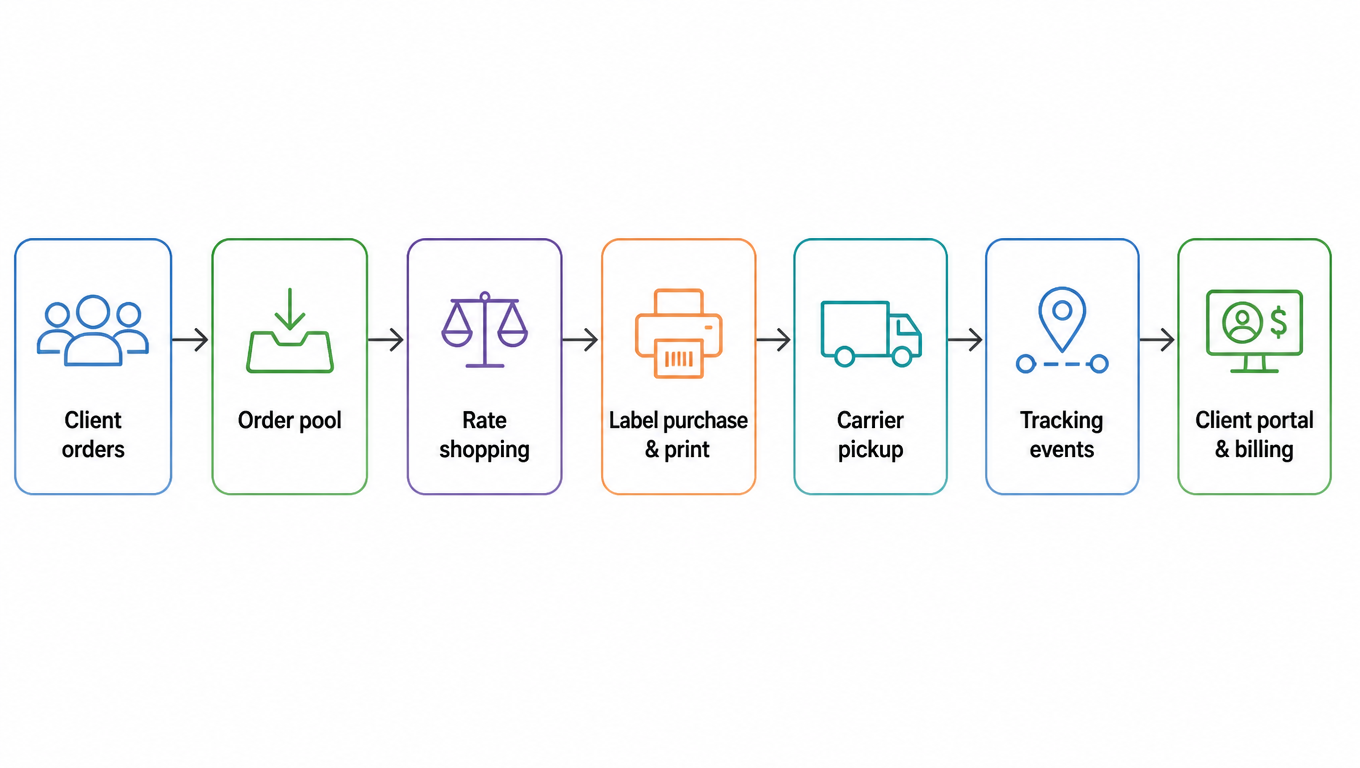
很多客户的订单汇入同一个订单池,跨承运商比价、打印面单,再以客户品牌的跟踪页和按客户计费的形式流回各自客户。这条链上的每一步,都是电商向 API 漏水的地方。Orders from many clients land in one pool, get rated across carriers, print labels, and flow back to each client as branded tracking and per-client billing. Every step in that chain is a place where a retail-oriented API leaks.